Manipur: Naga student bodies oppose directive on singing Vande Mataram in institutions| India News
**New Guidelines Foster National Song Uniformity and Respect**
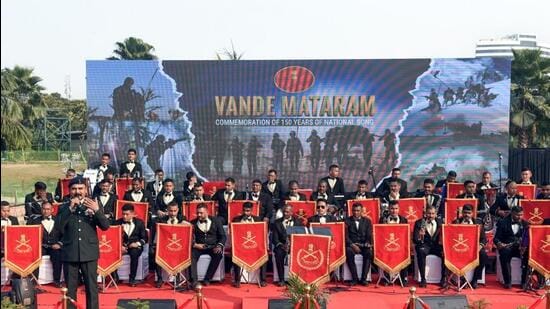
A significant new protocol is now taking effect across the nation, specifically designed to bring a greater degree of uniformity and decorum to the observance of the National Song at all official events. This move, aimed at standardizing practices previously marked by regional variations, underscores a collective commitment to national symbols. The mandate seeks to ensure that every rendition, whether in a state capital or a remote district, resonates with the same dignity and reverence.
For years, the observance of the National Song at government functions, school assemblies, and public ceremonies has seen a patchwork of approaches. While the spirit of respect was always present, the actual execution often varied. Some events might feature a full vocal rendition, others a truncated instrumental version, and still others might struggle with appropriate audience conduct. This inconsistency, while perhaps minor in isolation, collectively diluted the uniformity intended for a cherished national symbol.
This new protocol, meticulously drafted after consultations with various stakeholders, directly addresses these concerns. At its core, the guideline establishes clear parameters for when and how the National Song should be observed. It mandates standing respectfully when the song is played or sung, avoiding any movement or conversation. For organizers, it specifies preferred formats – whether vocal or instrumental, and provides clarity on the appropriate length of the rendition to maintain its solemnity without undue prolongation. The emphasis is on cultivating an atmosphere of dignity and solemnity, ensuring that the National Song truly serves as a unifying experience.
Reports emerging from various state cultural departments highlight the groundwork laid for this rollout. Training sessions for event organizers, government officials, and even educational institutions are being conducted to familiarize them with the specifics of the new guidelines. For instance, in several smaller towns, municipal bodies have begun distributing informational pamphlets detailing the etiquette, emphasizing the importance of silence and a dignified posture. District education officers are working closely with school principals to integrate the updated protocol into daily assemblies and annual functions, aiming to instill these values from a young age.
Local community leaders have largely welcomed the initiative, viewing it as a positive step towards reinforcing national pride. A village head in a northern state, speaking to a local reporter, expressed that such clarity helps everyone understand their role in showing respect, eliminating confusion. Similarly, parent-teacher associations in central regions have noted that clear guidelines will make it easier for children to learn and practice the correct behavior, ensuring they grow up with a deep appreciation for national symbols.
However, implementing such widespread guidelines is not without its challenges. The primary hurdle lies in ensuring universal awareness and consistent adherence across a diverse nation. While urban centers might quickly adapt, remote areas could require more sustained outreach and educational efforts. Some local cultural groups have raised questions about incorporating traditional regional elements while still adhering to the national uniformity, prompting discussions on how to strike a balance without diluting the core message. Government officials at the grassroots level are tasked with navigating these nuances, providing support and clarification where needed.
Cultural historians and constitutional experts have long advocated for such a standardized approach. They argue that national symbols derive their power from their consistent and respectful observance. When everyone understands and follows the same decorum, it strengthens the collective identity and shared values. An expert in national heritage, commenting on the protocol, observed that “uniformity in observance is not about stifling local expression, but about elevating the symbol to its rightful, revered place above regional differences.” The new guidelines, therefore, are seen as a move to reinforce the fundamental principles of unity and respect that underpin national identity.
From the perspective of Omni 360 News, this protocol touches various facets of national life. It impacts event management, public conduct, civic education, and even the nuances of cultural expression. It’s a measure that, while seemingly administrative, carries profound symbolic weight, aiming to weave a stronger fabric of national consciousness through shared acts of reverence. The long-term vision is that these guidelines will not merely be rules to follow, but will naturally foster a deeper, ingrained sense of respect among citizens.
Ultimately, the new protocol for the National Song is more than just a set of instructions. It is a concerted effort to ensure that a foundational expression of national identity is observed with the solemnity and uniformity it deserves. By clarifying expectations and promoting consistent decorum, the nation aims to strengthen the bond its citizens share with their national symbols, echoing a spirit of unity and collective pride in every official gathering.
Key Takeaways:
* The new protocol aims for nationwide uniformity and decorum in observing the National Song at official events.
* It addresses past inconsistencies in how the National Song was played or sung.
* Specific guidelines include audience conduct (standing, silence) and format for organizers.
* Implementation involves training for officials and educational institutions, with outreach to local communities.
* Local leaders generally support the move, seeing it as reinforcing national pride.
* Challenges include ensuring widespread awareness and consistent adherence, especially in remote areas.
* Experts emphasize that uniformity strengthens national identity and shared values.
* The initiative impacts event management, public conduct, and civic education, fostering a deeper sense of respect for national symbols.