Meghalaya postpones GHADC elections amid clashes, curfew, protests in Garo Hills| India News
Meghalaya GHADC Elections Postponed Amidst Garo Hills Protests Over Non-Tribal Participation
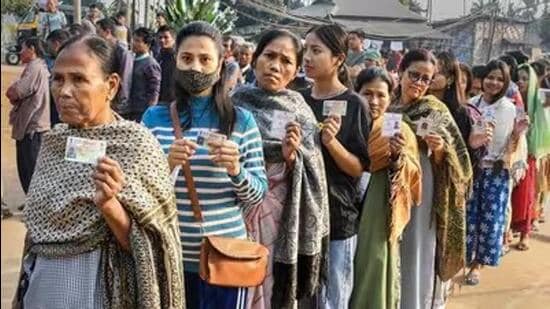
SHILLONG, Meghalaya – A wave of unrest has swept across the Garo Hills region of Meghalaya, leading authorities to postpone elections for the Garo Hills Autonomous District Council (GHADC). The deferment comes after widespread protests, violent clashes, and the imposition of a curfew, all ignited by fierce opposition to the participation of non-tribal candidates in the local polls. This development underscores deep-seated concerns regarding tribal identity, land rights, and political representation in this constitutionally protected area. Omni 360 News reports on the unfolding situation.
For those unfamiliar, the Garo Hills Autonomous District Council, or GHADC, is one of three such autonomous councils in Meghalaya, established under the Sixth Schedule of the Indian Constitution. Think of these councils as local self-governing bodies specifically created to safeguard the cultural identity, traditional practices, and land rights of tribal communities. They have powers to legislate on matters like land, forest management, jhum (shifting) cultivation, village administration, and social customs, ensuring that tribal ways of life are preserved and protected from external pressures. Essentially, they are designed to give tribal people a strong voice in managing their own affairs within a specific geographical region.
The current controversy erupted over the eligibility of non-tribal individuals to contest elections for these crucial tribal councils. Various indigenous groups, including student organizations and civil society bodies in the Garo Hills, have vociferously argued that allowing non-tribal candidates undermines the very purpose of the GHADC. Their core concern is that these councils exist to protect the distinct identity and interests of the Garo tribal community. Allowing non-tribals to contest, they believe, dilutes tribal representation and could potentially lead to policies that do not prioritize tribal welfare or even challenge tribal land ownership.
Protests escalated rapidly, particularly in Tura, the principal town of Garo Hills. Demonstrations organized by groups like the Garo Students’ Union (GSU) and the Garo Hills State Movement Committee (GSMC) turned confrontational. Reports from local sources indicated instances of stone-pelting, clashes with security personnel, and road blockades, disrupting daily life and commerce. The simmering tension eventually boiled over into violence, prompting district authorities to enforce a curfew in several sensitive areas to restore order and prevent further escalation. The air was thick with chants demanding immediate withdrawal of any provision allowing non-tribal participation, highlighting the emotional intensity attached to the issue.
Faced with a deteriorating law and order situation and immense pressure from tribal organizations, the Meghalaya government made the decision to defer the GHADC elections. This move, while aimed at de-escalating the crisis and opening avenues for dialogue, also signals the complexity of balancing democratic participation with the constitutional safeguards provided for tribal areas. The government indicated that further consultations would be held with all stakeholders to find a mutually acceptable solution.
This situation in Garo Hills is not isolated. It reflects a broader, ongoing debate across India’s tribal-dominated regions, particularly in the Northeast, about who truly constitutes a local resident for electoral purposes in autonomous councils. The underlying historical context involves fears of demographic change, economic marginalization, and the erosion of distinct cultural identities due to the influx of non-indigenous populations over generations. For tribal communities, land and political power are inextricably linked to their survival and cultural continuity.
Key Takeaways:
* The Meghalaya GHADC elections were postponed due to protests and violence in Garo Hills.
* The core issue is the participation of non-tribal candidates in councils meant to protect tribal rights.
* Tribal groups fear dilution of representation and erosion of their identity and land rights.
* Protests escalated into violence, leading to a curfew in Tura and other areas.
* The government’s deferment aims to restore peace and facilitate dialogue.
* This highlights broader tensions regarding tribal identity and self-governance in protected areas.
Looking ahead, the deferment of the GHADC elections opens a crucial window for dialogue. The path forward will require sensitive negotiation, ensuring that the constitutional mandate of protecting tribal autonomy is upheld while addressing the concerns of all residents. The challenge for the state government and tribal leaders will be to forge a consensus that respects both the spirit of the Sixth Schedule and the principles of inclusive governance. For Omni 360 News, monitoring these crucial discussions remains paramount as the region seeks a peaceful resolution.