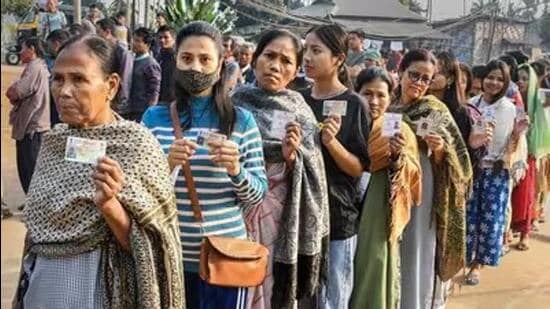
Meghalaya postpones GHADC elections amid clashes, curfew, protests in Garo Hills| India News
Meghalaya Election Delay Garo Hills Protests Over Non-Tribal Candidates Explained
Garo Hills, Meghalaya, has recently experienced significant civil unrest, culminating in the deferment of elections for the Garo Hills Autonomous District Council (GHADC). The primary catalyst for widespread protests, curfews, and instances of violence was the contentious participation of non-tribal residents as electoral candidates.
The GHADC, established under the Sixth Schedule of the Indian Constitution, serves a critical mandate: to safeguard the distinct cultural identity, ancestral land rights, and traditional governance of the Garo tribal community. For decades, the prospect of non-tribals contesting within these protected councils has been a highly sensitive issue. Many indigenous organizations perceive such participation as a direct threat, potentially eroding their constitutionally enshrined protections and diluting their unique socio-political fabric.
Local news reports from towns like Tura vividly described the escalation. Initial peaceful demonstrations rapidly transformed into road blockades and public gatherings where various student and community bodies voiced strong opposition. Their core argument: allowing non-tribals to run for office fundamentally undermines the GHADC’s purpose of preserving Garo distinctiveness. The subsequent imposition of curfews in several critical areas reflected the gravity of the situation and the depth of public apprehension regarding their heritage.
Confronted with the deteriorating law and order, the Meghalaya state government opted to defer the GHADC elections. This decision, aimed at de-escalation and facilitating dialogue, underscores the profound challenges in balancing constitutional safeguards for tribal self-governance with inclusive representation in these autonomous territories.
The path ahead demands delicate statesmanship. Addressing the legitimate concerns of tribal communities about cultural preservation and land rights, alongside acknowledging the presence and contributions of long-term non-tribal residents, is paramount. This episode is a stark reminder of the intricate balance required in self-governing tribal regions. Omni 360 News continues to provide in-depth coverage as these crucial dialogues unfold.
Key Takeaways:
- GHADC elections postponed amidst widespread unrest in Garo Hills.
- Protests fueled by objections to non-tribal candidates contesting tribal council polls.
- Curfews and public demonstrations highlight deep concerns over tribal identity and constitutional rights.
- The situation reveals complex challenges in autonomous region governance, balancing tribal protections with broader resident participation.