
Minor accused in hostel attack in Karnataka alleges bullying| India News
Ballari School Hostel Incident Exposes Bullying’s Dark Shadow
The serene environment typically associated with educational institutions was shattered recently at Gurukul International School’s hostel in Ballari, Karnataka. An incident involving a minor student attacking fellow residents with an iron rod has cast a spotlight on the pervasive and often hidden issue of bullying within school premises. As Omni 360 News diligently covers, this alarming event, reportedly stemming from sustained harassment, underscores the urgent need for robust support systems and vigilant oversight in student accommodations.
The incident unfolded late one evening within the confines of the school’s hostel, a place where parents entrust their children’s safety and well-being. According to initial reports from local police sources and accounts gathered from concerned parents, a young student, whose identity is withheld due to his minor status, allegedly used an iron rod to assault several classmates. The attack left multiple students injured, prompting immediate concern and a swift police response. The motive, as heartbreakingly revealed in subsequent investigations and discussions, points towards the minor being a victim of persistent bullying.
Bullying, in its many forms—physical, verbal, social, and psychological—can inflict deep scars, often unseen, on young minds. When it escalates to a point where a victim feels compelled to retaliate violently, it signals a profound failure in the preventative and responsive mechanisms intended to protect students. This Ballari incident serves as a grim reminder that bullying is not just a ‘part of growing up’; it is a serious issue that demands comprehensive and compassionate intervention.
Unraveling the Incident
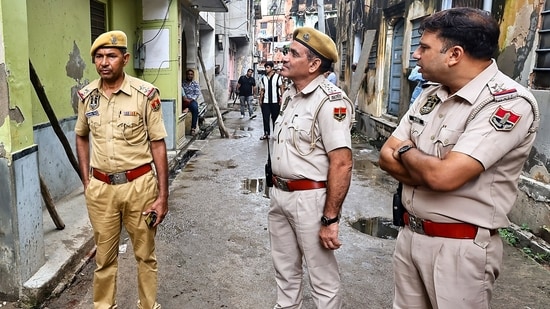
Details emerging from the Ballari City Police indicate that the incident occurred after hostel lights-out. The accused minor, reportedly pushed to his breaking point, allegedly grabbed an iron rod and assaulted students he claimed were his tormentors. The suddenness and ferocity of the attack led to chaos, with staff quickly intervening to bring the situation under control. The injured students were rushed to a local hospital, where they received medical attention for various injuries, some requiring stitches. Fortunately, none of the injuries were life-threatening, but the emotional trauma is undoubtedly profound.
Local news outlets in Ballari have highlighted the deep concern among parents. Many are questioning the efficacy of supervision within the hostel. A parent, speaking to a regional Kannada daily, expressed dismay, stating, “We send our children to residential schools for focused education and safety. To hear of such violence, allegedly due to bullying that went unaddressed, is terrifying.” These sentiments reflect a widespread anxiety about student welfare in boarding facilities, particularly in an era where mental health challenges among adolescents are increasingly recognized.
The Bullying Allegations and School’s Accountability
The core of this unfortunate episode lies in the allegations of bullying. The accused minor’s family has claimed that their son had been subjected to continuous harassment by a group of fellow students. This alleged bullying ranged from verbal abuse to social exclusion and, at times, physical intimidation. The crucial question now being probed by authorities and the school administration is whether these complaints were brought to the attention of the hostel wardens or school authorities previously, and if so, what steps were taken to address them.
Gurukul International School management released a statement acknowledging the incident and expressing regret. They confirmed that an internal inquiry has been initiated to ascertain the full chain of events, especially concerning the bullying allegations. The school spokesperson emphasized their commitment to student safety and zero tolerance for bullying, stating that appropriate disciplinary action would be taken against anyone found responsible, in addition to cooperating fully with the police investigation. However, the true measure of their commitment will be seen in the transparency and effectiveness of their internal review and the subsequent implementation of robust anti-bullying policies.
Police Investigation and Legal Implications
The Ballari City Police have registered a case under relevant sections of the Indian Penal Code, taking into account the age of the individuals involved. Due to the minor status of the accused, the case falls under the purview of juvenile justice laws. The police investigation aims to gather evidence, record statements from all involved students, hostel staff, and school management, and determine the exact sequence of events that led to the attack. The focus will not only be on the assault itself but also on corroborating the bullying claims, which form the crucial context of the incident.
This case presents a complex challenge for the legal system. While the act of violence is undeniable, understanding the underlying factors, particularly the alleged bullying, is paramount for a just and constructive outcome. It highlights the need for a nuanced approach that addresses both the immediate act of aggression and the systemic issues that may have contributed to it.
Beyond the Headlines: Addressing the Root Causes
This incident at Gurukul International School serves as a potent reminder for all educational institutions, parents, and policymakers. Bullying is a complex social issue with severe consequences for both victims and perpetrators. Often, those who bully are themselves struggling with personal issues or are replicating behaviors they have witnessed. Similarly, victims, when pushed to their limits without adequate support, can sometimes resort to extreme measures, as tragically seen in Ballari.
Experts in child psychology and education frequently emphasize the importance of creating a safe and inclusive school environment. This includes:
* Clear Anti-Bullying Policies: Explicitly defining bullying and outlining consequences.
* Open Communication Channels: Ensuring students feel safe to report bullying without fear of retaliation.
* Trained Staff: Equipping teachers and hostel wardens with skills to identify, intervene, and resolve bullying situations effectively.
* Counseling and Support Services: Providing accessible mental health support for both victims and students exhibiting bullying behaviors.
* Parental Involvement: Fostering collaboration between school and parents to address issues proactively.
The incident in Ballari is a call to action. It forces us to look beyond disciplinary measures and delve into the preventative aspects of student welfare. How can we ensure that no student feels so isolated or tormented that they see violence as their only recourse? How can schools genuinely foster an environment of empathy and respect?
Omni 360 News believes that a comprehensive approach, involving continuous dialogue, transparent accountability, and a genuine commitment to student well-being, is the only way forward. The safety of our children in educational institutions must remain paramount, and lessons from incidents like the one at Gurukul International School must be learned and acted upon with utmost urgency. The healing process for the injured students, the accused minor, and the entire school community will be long, but it begins with acknowledging the deep-seated issues that led to this regrettable day.
Key Takeaways:
* A minor student allegedly attacked fellow students with an iron rod at Gurukul International School’s hostel in Ballari.
* The attack was reportedly a desperate response to ongoing bullying faced by the accused minor.
* Multiple students sustained injuries, but none were life-threatening.
* Local police have registered a case, and an investigation is underway, focusing on both the assault and the bullying allegations.
* The incident highlights critical gaps in hostel supervision and the urgent need for effective anti-bullying policies and support systems in schools.
* Community members and parents are expressing deep concerns about student safety and welfare in residential schools.