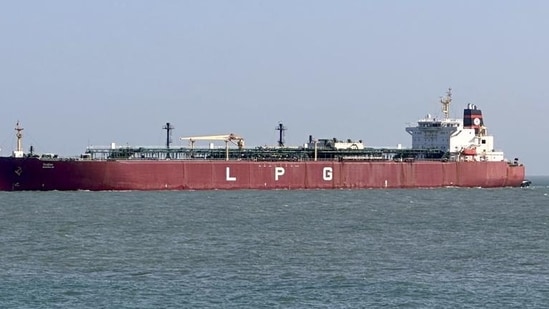
'Missiles, drones flying overhead': How Indian-flagged LPG tanker escaped Strait of Hormuz via channel off Iran coast| India News
Pine Gas LPG Carrier Navigates Strait of Hormuz Amidst Regional Tensions Key Takeaways
In the complex currents of global energy and geopolitics, the journey of vessels like the Indian-flagged LPG carrier Pine Gas often highlights the delicate balance of international trade. Recently, this vessel’s passage through the Strait of Hormuz cast a spotlight on the escalating risks faced by maritime shipping in a volatile region. Omni 360 News aims to provide clarity on such critical events, showcasing the real-world implications for global commerce.
The Pine Gas, an essential carrier of liquefied petroleum gas, reportedly loaded its vital cargo at the UAE’s Ruwais port. Its departure and subsequent navigation through the Strait of Hormuz occurred just a day after Iran launched a significant missile and drone attack on Israel on April 13. This timing placed the vessel’s transit directly into a period of extreme geopolitical tension and heightened risk.
For those unfamiliar with the geography, imagine the Strait of Hormuz as a crucial, narrow gateway, much like a busy highway bottleneck. It connects the major oil and gas producing nations of the Persian Gulf to the rest of the world. Billions of dollars worth of energy resources, including LPG, pass through this strait daily. Any disruption here can send immediate ripples across global markets, impacting prices and supplies worldwide.
Reports indicate that the crew aboard the Pine Gas experienced the palpable tension firsthand during their crossing. Details suggest an environment where drones and missiles were active overhead, a stark reminder of the intense and unpredictable regional instability. Such accounts underscore the bravery and dedication of seafarers who, day in and day out, ensure the continuity of global supply chains under challenging circumstances.
The incident involving the Pine Gas serves as a potent example of how quickly geopolitical events can directly impact the safety and operational landscape for international shipping. It highlights the indispensable role of maritime transport in sustaining global economies, even when faced with the immediate dangers of conflict. The continued ability of vessels like the Pine Gas to deliver essential commodities, despite looming threats, speaks volumes about the resilience and intricate planning within the energy supply chain.
This event, while specific to one vessel, mirrors broader concerns for maritime security. Various tracking data and industry reports corroborate the heightened risk environment in the Strait of Hormuz during the period surrounding the Iran-Israel escalation, reinforcing the critical nature of such transits.
Key Takeaways:
* The Strait of Hormuz remains a critical and highly volatile maritime passage for global energy.
* Geopolitical events have immediate and direct impacts on the safety and operations of international shipping.
* The global energy supply chain relies heavily on the continuous, safe transit of carriers like the Pine Gas, highlighting the enduring logistical challenges and the fortitude of seafarers.