Miya factor continues to dominate discourse as Assam heads to polls| India News
Assam Elections And The Miya Community Discourse
As Assam moves closer to significant electoral contests, the political narrative frequently highlights the “Miya” community. Chief Minister Himanta Biswa Sarma has intensified his focus on this group, a term often used pejoratively for Bengali-speaking Muslims in the state. This sharpened rhetoric forms a crucial part of the ongoing political discourse, influencing public opinion and electoral strategies across the region.
The term “Miya” historically refers to Bengali-speaking Muslims, many of whom are descendants of migrants or settlers in Assam. Over time, it has unfortunately acquired a negative connotation in certain political circles, often used to differentiate and sometimes marginalize this demographic. Political observers note that such language frequently surfaces during election campaigns, shaping the dialogue around identity, development, and citizenship within the state.
The chief minister’s statements often link the Miya community to issues perceived as challenges to Assamese culture or demographic balance. This approach aims to consolidate support from other communities who resonate with concerns about land rights, cultural preservation, and identity politics. Such strategies are not unique to Assam; they are often seen in regions with diverse populations and historical migration patterns, where identity becomes a central electoral battleground.
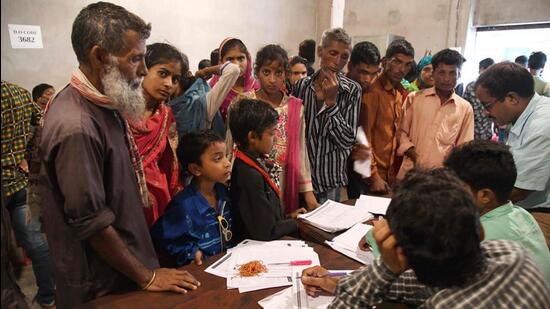
Local reports from various Assamese news outlets indicate a clear polarization of the electorate along these lines. While some view the rhetoric as a necessary step to address perceived threats to indigenous Assamese identity, others criticize it for deepening societal divisions and potentially marginalizing a significant section of the population. The Bengali-speaking Muslim community, for its part, often expresses concerns about feeling targeted and disempowered by these political narratives, highlighting their historical presence and contributions to the state.
Understanding this electoral dynamic is key to grasping Assam’s complex political landscape. The focus on the “Miya factor” serves as a reminder of how deeply identity, history, and perceived threats influence voter behavior and political messaging in India’s diverse states. As elections draw near, Omni 360 News will continue to monitor how these narratives evolve and impact the democratic process.
Key Takeaways
- Chief Minister Himanta Biswa Sarma has heightened rhetoric concerning Bengali-speaking Muslims, often termed “Miyas,” during election periods.
- The term “Miya” carries historical baggage and is frequently used in a negative political context.
- This electoral strategy aims to consolidate votes by appealing to concerns about Assamese cultural and demographic preservation.
- The rhetoric often leads to societal polarization and raises concerns among the Bengali-speaking Muslim community regarding marginalization.
- Identity politics remains a powerful force shaping Assam’s election outcomes.