Model of injustice against Dalits, tribals in Gujarat: Rahul Gandhi| India News
Una Flogging Case Verdict Rahul Gandhi’s Justice Call Key Takeaways
The long shadow of the 2016 Una flogging incident in Gujarat has once again fallen across public discourse, following a recent court verdict and subsequent strong commentary from political figures. On March 17, a Gujarat court handed down a five-year jail term to five men convicted in the brutal assault case, while notably acquitting 35 others. This outcome has ignited a fresh debate on justice for marginalized communities, drawing sharp criticism from leaders like Rahul Gandhi, who labeled the situation a “model of injustice against Dalits and tribals.” For Omni 360 News, we delve into the facts and ramifications of this pivotal ruling.
A Brutal Reminder The Una Incident of 2016
To understand the weight of the recent court decision, one must recall the horrific events of July 11, 2016. In the town of Una, Gir Somnath district, Gujarat, a group of Dalit men from the Sarvaiya family was publicly assaulted and flogged by cow vigilantes. Their “crime” was skinning a dead cow, a traditional occupation for many in their community. The attackers, claiming to protect cows, paraded the victims through the streets, beating them with sticks and iron rods, all while filming the act and circulating the video widely. This incident sparked national outrage, bringing to the forefront issues of caste discrimination, vigilante violence, and the vulnerability of Dalit communities. The act was not just physical brutality; it was a deliberate act of humiliation, designed to assert dominance and perpetuate social hierarchy.
The Court’s Verdict Justice or Partial Relief
The recent ruling by the Principal Sessions Court in Una on March 17 brought a mixed bag of emotions. Five individuals were convicted under various sections of the Indian Penal Code (IPC) and the Scheduled Castes and Scheduled Tribes (Prevention of Atrocities) Act, receiving a five-year jail sentence. These five were directly implicated in the physical assault. However, the acquittal of 35 other accused, who faced charges ranging from conspiracy to being part of the mob, has left many questions unanswered and a sense of incomplete justice for the victims and their supporters. Local reports from Gujarati news outlets, including extensive coverage by Divya Bhaskar and Gujarat Samachar, indicated a deep disappointment among the Dalit community in the region. Many victims’ families and activists believed that the larger conspiracy and the involvement of a broader group in the public humiliation had not been adequately addressed. The sheer number of acquittals, nearly 87% of those initially charged, highlights the challenges in proving collective crime and conspiracy in such complex cases.
Rahul Gandhi’s Scathing Critique
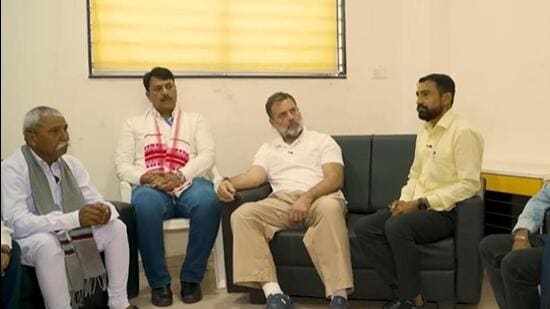
Days after the verdict, Congress leader Rahul Gandhi sharply reacted, stating that the Una incident and the subsequent court ruling represent a “model of injustice against Dalits and tribals in Gujarat.” His comments, made during interactions, underscored a broader concern about systemic issues faced by these marginalized groups. He argued that the acquittals, despite the horrific public nature of the original crime, send a troubling message about accountability and the protection of vulnerable communities. Gandhi’s remarks align with the sentiments of many Dalit rights activists who consistently highlight that justice in cases of caste-based violence often remains elusive, with numerous accused walking free due to various procedural and evidential challenges. His intervention aimed to bring national attention back to the broader implications of such verdicts for social justice.
Community Reactions and the Path Forward
The Una case, from its inception, has been a symbol of the ongoing struggle for dignity and equality for Dalits. The verdict, while providing some conviction, has been met with a sense of partial justice by those directly affected. Local Dalit leaders and community members, as reported by smaller regional news platforms, have voiced concerns that the acquittal of a large number of accused could embolden perpetrators of similar crimes in the future. They emphasize the need for stronger legal frameworks and more robust investigative mechanisms to ensure that all individuals involved in acts of hate and atrocity are held accountable. The legal recourse for the prosecution likely includes an appeal against the acquittals in a higher court, reflecting the ongoing battle for comprehensive justice. The case continues to be a poignant reminder of the necessity for vigilance and sustained efforts in the fight against caste discrimination and violence, ensuring that no community is left to suffer silently.
Key Takeaways
The Una flogging case and its recent verdict underscore several critical points. Firstly, while some perpetrators faced conviction, the acquittal of a majority of the accused leaves a lingering perception of incomplete justice, especially for the victims. Secondly, political figures like Rahul Gandhi are using such instances to highlight broader systemic issues affecting marginalized communities, emphasizing the need for robust legal protections and social reform. Finally, the case serves as a powerful reminder for Omni 360 News and our readers about the persistent challenges faced by Dalits and tribals in securing dignity and equality, stressing that the pursuit of justice for all remains an ongoing journey.