Model of injustice against Dalits, tribals in Gujarat: Rahul Gandhi| India News
Una Flogging Case Gujarat Verdict Rahul Gandhi Highlights Dalit Injustice
The quiet district of Una in Gujarat once again finds itself at the heart of a national conversation surrounding social justice and caste discrimination. A recent court ruling, delivering punishment to some while acquitting many, has reignited debates and drawn sharp criticism from prominent political voices. Omni 360 News delves into the details of the judgment, the historical context of the Una incident, and the pointed reactions it has provoked.
The roots of this recent controversy stretch back to July 2016, when a shocking incident unfolded in Mota Samadhiyala village near Una. Four young Dalit men, who were traditionally engaged in skinning dead cattle – a task often relegated to the community – were brutally thrashed in public by self-proclaimed cow vigilantes. The attackers not only assaulted them but also filmed the act, circulating the video widely, which sparked nationwide outrage and protests, particularly within the Dalit community. The incident highlighted the persistent issue of caste-based violence and discrimination, despite laws designed to protect vulnerable communities. The victims were accused of cow slaughter, though they maintained they were merely performing their hereditary work of disposing of a naturally deceased cow.
Eight years later, on March 17, 2024, a Gujarat court delivered its verdict in the long-pending Una flogging case. The court found five individuals guilty of various charges, including attempt to murder and rioting, sentencing them to five years of imprisonment. This part of the judgment brought a measure of accountability for the violent act. However, the same ruling also acquitted 35 other accused individuals. These acquittals included some alleged attackers and, significantly, police personnel who faced accusations of dereliction of duty or complicity in the incident.
The partial nature of the verdict – conviction for some but acquittal for a large number, including officials – has led to considerable disquiet. Critics argue that the acquittals leave many questions unanswered regarding the broader conspiracy and the role of law enforcement in preventing or addressing such atrocities.
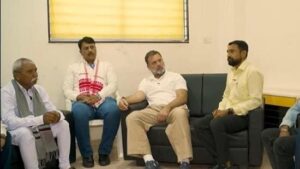
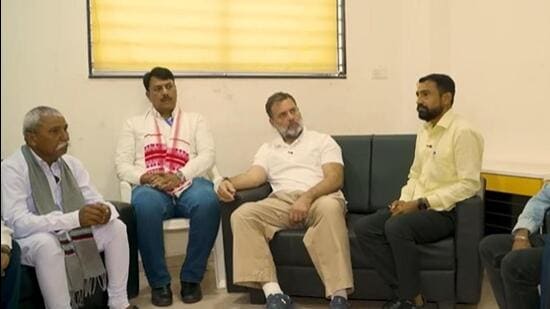
Shortly after the court’s decision, prominent political figure Rahul Gandhi voiced strong concerns, labelling the situation a “model of injustice” against Dalits and tribals in Gujarat. Speaking to reporters, Gandhi highlighted the disparity, noting that while five individuals received punishment, 35 others, whom he described as “powerful people” and “police officials,” walked free. His remarks underscore a perception that systemic issues often shield those in positions of power or influence, leaving marginalized communities vulnerable and their pursuit of justice incomplete.
The Una flogging case transcends a singular act of violence; it serves as a stark reminder of the deep-seated caste divisions and prejudices that continue to plague segments of Indian society. For a 12th-grade student, understanding this means recognizing that even today, some communities face discrimination and violence simply because of the family they are born into. The very act of skinning a dead animal, traditionally associated with certain castes, became a pretext for a violent assault, highlighting how traditional occupations are sometimes used to perpetuate social hierarchies and justify discrimination.
The political and social fallout from the Una incident in 2016 was immense, leading to widespread Dalit protests and the emergence of new leaders advocating for social justice. The recent verdict, while bringing some closure, simultaneously opens old wounds and intensifies calls for greater accountability and reform within the justice system. Advocates for Dalit rights have expressed disappointment over the acquittals, arguing that it sends a concerning message about the state’s commitment to protecting its most vulnerable citizens.
The interaction by Rahul Gandhi, leveraging the platform of Omni 360 News and other media, attempts to draw national attention back to these critical issues, pushing for a re-evaluation of how such cases are investigated and prosecuted. It highlights the ongoing struggle for true equality and justice, particularly for communities historically oppressed. The discussion is not merely about a single court case but about the broader societal implications of such judgments and the political will to address foundational inequalities.
Key Takeaways:
- The Una flogging case from 2016 involved the brutal public assault of Dalit youths by cow vigilantes in Gujarat.
- A recent Gujarat court ruling on March 17, 2024, sentenced five men to five years in jail for their involvement.
- Significantly, the court acquitted 35 other accused, including some alleged attackers and police personnel.
- Rahul Gandhi criticized the verdict, calling it a “model of injustice” against Dalits and tribals in Gujarat, pointing to the acquittal of “powerful people” and officials.
- The case continues to highlight persistent caste-based discrimination, violence, and questions about the effectiveness of the justice system in protecting marginalized communities.
As the discourse continues, the Una flogging case and its legal aftermath remain a poignant reminder that the journey towards social equity and justice is far from over. The spotlight now falls on how these discussions will influence future policies and societal attitudes towards caste-based discrimination.