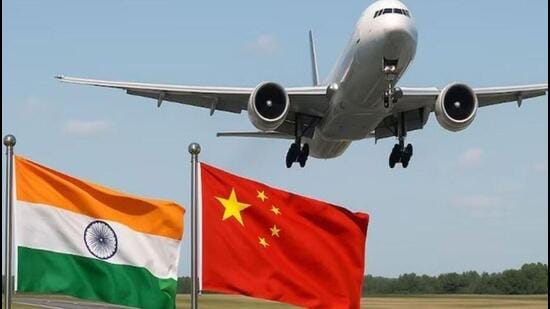
‘More than just travel’: Chinese embassy as Air China resumes direct flights between Beijing and Delhi| India News
Air China Restores Beijing Delhi Direct Flights Rekindling India China Connections Key Takeaways
The skies between two of Asia’s economic giants are buzzing once more as Air China has resumed direct flight operations connecting Beijing and Delhi. This development, effective from late October, marks a significant return after a three-year suspension, heralding cautious optimism for stronger trade, tourism, and people-to-people ties between India and China. For many, this isn’t just about a flight route; it signifies a hopeful step towards normalizing relations that have faced considerable challenges.
For years, the direct air corridor between the capitals of India and China served as a crucial artery for commerce, cultural exchange, and personal connections. However, the global pandemic, compounded by geopolitical tensions, led to a complete halt of these direct links, forcing travelers into circuitous and time-consuming journeys through other regional hubs. The recent recommencement of these flights by Air China, initially operating three times a week on Tuesdays, Fridays, and Sundays, represents a tangible loosening of travel restrictions and a commercial overture with broader implications.
**A Bridge for Business and Trade**
The resumption of direct flights is a welcomed relief for the business communities on both sides. India and China share a massive trade relationship, with China being one of India’s largest trading partners. While the balance of trade heavily favors China, the movement of goods, technology, and services still relies on efficient human interaction. Business delegates, entrepreneurs, and investors frequently need to travel for negotiations, factory visits, and market research. The absence of direct flights meant increased travel costs, longer transit times, and reduced face-to-face engagement, which is often critical for sealing deals and building trust in international business.
Local chambers of commerce in cities like Bengaluru, Mumbai, and Guangzhou have often highlighted the logistical hurdles posed by the lack of direct connectivity. With flights now open, a Delhi-based textile exporter can more easily meet a potential buyer in Beijing, or an Indian tech professional can directly attend a conference in China without spending an entire day in transit. This efficiency is expected to boost smaller and medium enterprises (SMEs) that found the previous travel complexities prohibitive, potentially opening new avenues for cross-border collaboration in sectors like pharmaceuticals, IT services, and manufacturing components. Omni 360 News has been tracking how such connectivity directly impacts the pulse of local economies, and this resumption is a clear positive signal.
**Rekindling Tourism and Cultural Exchange**
Beyond commerce, direct flights are an undeniable catalyst for tourism and cultural exchange. India, with its rich tapestry of history, spirituality, and vibrant landscapes, holds significant appeal for Chinese tourists, particularly those interested in Buddhist pilgrimage sites. Conversely, China’s modern cities, ancient wonders, and scenic beauty attract a growing number of Indian travelers. The convenience of a direct flight translates into more accessible and affordable travel packages, which local tour operators in both countries are quick to capitalize on.
Consider a family in Delhi planning a trip to the Great Wall or a student in Beijing eager to explore the historical wonders of Agra. Previously, such trips required multiple layovers, adding to the expense and travel fatigue. Now, a direct route makes these journeys smoother and more appealing, directly benefiting local hotels, restaurants, handicraft sellers, and transport services in both nations. This renewed flow of tourists contributes significantly to the local service economies, creating jobs and fostering a deeper understanding between the people, far removed from the headlines.
**A Subtle Shift in Bilateral Relations**
While air connectivity is primarily a commercial decision, it often serves as a barometer for broader bilateral relations. The resumption of these flights, following a period of heightened border tensions and diplomatic chill, suggests a willingness from both sides to facilitate practical engagement, even if broader geopolitical issues remain. It indicates a pragmatic approach to maintaining essential links and underscores the importance of the economic relationship despite political differences.
This move is particularly impactful for the sizable communities of Indian students in China and Chinese expatriates in India. For these individuals and their families, direct flights mean fewer hassles, reduced anxiety, and more frequent opportunities to visit home or host loved ones. It humanizes the often abstract concept of international relations, bringing tangible benefits to everyday lives.
**What This Means for a 12th-Grade Student**
Imagine you have a friend who lives far away, and for some reason, you couldn’t visit them directly for a long time. You had to take a very long, round-about route. Now, suddenly, there’s a straight road open again. That’s essentially what’s happening here. India and China are like two very big neighbors. When flights are direct, it’s easier for people from both countries to visit each other. This means:
* Easier Business: People who sell things or do business can travel faster to meet and trade. Think of it as making it simpler for a shop owner in your town to get unique items from a big market far away.
* More Tourism: People who want to see new places can travel without too much trouble. This helps local businesses like hotels and restaurants because more visitors mean more customers.
* Stronger Friendships: When people travel easily, they learn about each other’s cultures, food, and way of life. This can help build understanding, even if their governments have some disagreements. It’s like finding common ground with your friend after a misunderstanding.
So, these flights are not just about planes; they are about connecting people, ideas, and businesses, helping to build bridges between two important countries.
**Key Takeaways**
* Air China has recommenced direct flights between Beijing and Delhi, restoring a vital air link after a three-year break.
* This move significantly enhances convenience and reduces travel time for business travelers, tourists, students, and families.
* It is expected to boost bilateral trade by facilitating easier movement of business delegates and fostering new commercial opportunities.
* The resumption promises a positive impact on tourism, driving cultural exchange and supporting local economies in both nations.
* The re-establishment of direct air connectivity is seen as a cautious, pragmatic step towards improving and normalizing the overall relationship between India and China.
The reopening of this air bridge is more than a logistical update; it’s a testament to the enduring need for connectivity between two global powers. As Air China’s planes once again traverse the skies between Beijing and Delhi, they carry not just passengers and cargo, but also hopes for a future where engagement, trade, and mutual understanding can thrive.