Mounjaro brides: Weight-loss drugs make foothold in pre-wedding prep| India News
India’s Expanding Weight Management Market New Drugs and Rising Demand
India’s health landscape is witnessing a significant shift, particularly in the realm of weight management. Major global pharmaceutical players, Novo Nordisk and Eli Lilly, have introduced their highly discussed diabetes and weight loss medications, marking a new chapter in the nation’s battle against obesity. This development has fueled a burgeoning market, projected to reach a staggering ₹80 billion ($851.79 million) by 2030, according to industry forecasts. Omni 360 News examines the intricate details of this evolving sector.
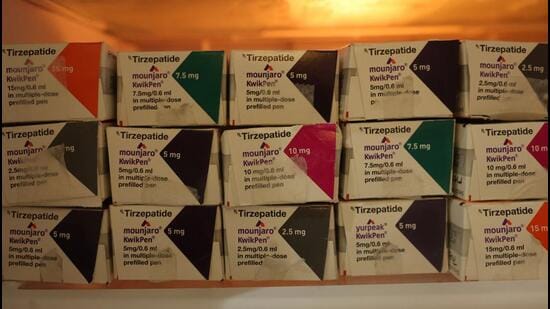
The arrival of drugs like Mounjaro (tirzepatide) from Eli Lilly and Ozempic (semaglutide) from Novo Nordisk has stirred considerable interest. While initially developed to manage Type 2 diabetes, these medications have garnered widespread attention for their remarkable efficacy in promoting significant weight loss. They work by mimicking natural hormones in the body that regulate appetite and blood sugar, helping individuals feel fuller, reduce cravings, and lose weight over time. This dual benefit has positioned them as powerful tools not just for diabetes care but also for addressing the escalating challenge of obesity in India.
The growing presence of these medications comes at a time when obesity rates in India are steadily climbing across various demographics, driven by changing lifestyles, dietary habits, and reduced physical activity. Once considered primarily a concern in Western countries, obesity has firmly established itself as a significant public health issue in India, contributing to a rise in related conditions like heart disease, stroke, and certain cancers. The availability of effective pharmacological interventions is, therefore, seen by many medical professionals as a crucial step forward.
However, the impact of these drugs extends beyond strictly medical necessity. Reports from various urban centers suggest a notable trend where these weight-loss drugs are finding a unique, and sometimes concerning, niche: pre-wedding preparations. In a culture where societal pressure for a perfect appearance on significant occasions runs high, individuals, particularly brides, are reportedly turning to these medications for rapid weight reduction. This trend highlights how the drugs are influencing not just health decisions but also social and aesthetic choices, creating a complex interplay between medical science and cultural expectations. While doctors acknowledge the weight loss benefits, many express caution regarding their use for purely cosmetic reasons, emphasizing the importance of medical supervision and a comprehensive understanding of potential side effects.
The financial aspect remains a considerable barrier for many. The cost of these treatments can range from ₹10,000 to ₹30,000 per month, making them inaccessible to a large segment of the population. This pricing structure raises questions about equitable access to effective obesity treatments and the potential for a two-tiered healthcare system where only those with sufficient financial means can afford these advanced therapies. Furthermore, the high demand has unfortunately also led to concerns about unregulated sales and potential misuse, underscoring the need for stringent regulatory oversight and public awareness campaigns.
Medical experts universally stress that these medications are not quick fixes or substitutes for a healthy lifestyle. They are most effective when integrated into a broader weight management strategy that includes dietary changes, regular physical activity, and ongoing medical consultation. Physicians typically emphasize that these drugs are prescribed for individuals with clinical obesity or those who are overweight with co-existing health conditions, not for minor cosmetic adjustments. The risks of unsupervised use, including gastrointestinal issues, gallstones, or more severe complications, are significant and warrant careful consideration.
As the Indian weight management market continues its rapid expansion towards the ₹80 billion mark by 2030, the interplay between medical innovation, societal pressures, and economic realities will only intensify. The responsibility falls on healthcare providers, policymakers, and pharmaceutical companies to ensure these powerful drugs are utilized safely, ethically, and for the benefit of public health, rather than becoming tools for fleeting aesthetic trends. The narrative surrounding obesity treatment in India is evolving, and how the nation addresses these complex issues will shape the future of health and wellness for millions.
Key Takeaways
- India’s weight management market is booming, projected to hit ₹80 billion by 2030.
- Novo Nordisk and Eli Lilly’s diabetes drugs like Ozempic and Mounjaro are increasingly used for weight loss.
- A notable trend involves these drugs being used for pre-wedding weight reduction.
- High costs and potential for misuse pose significant challenges.
- Medical supervision and a healthy lifestyle remain crucial alongside medication.