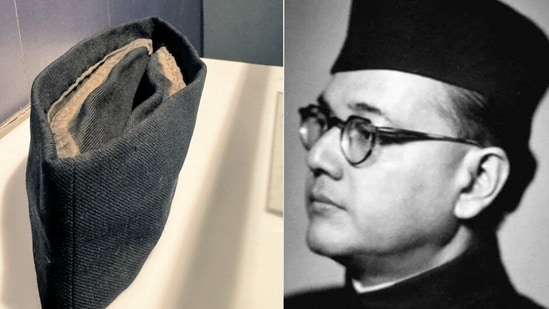
Netaji's cap ‘goes missing’, returns, but grandnephew has a doubt: Row over Subhas Chandra Bose's belonging, explained| India News
Red Fort Empty Exhibit Sparks Netaji Artifacts Controversy
A quiet visit to the historic Red Fort’s Netaji Subhas Museum has unexpectedly ignited a fervent discussion across the nation. The Open Platform for Netaji (OPN), an organization dedicated to upholding the legacy of one of India’s most revered freedom fighters, recently brought to light a curious detail: a prominent display case within the museum, seemingly intended for artifacts belonging to Netaji Subhas Chandra Bose, stood conspicuously empty. This discovery has quickly escalated into a significant point of contention, raising profound questions about historical preservation, public transparency, and the narratives we choose to tell about our national heroes. Omni 360 News is closely monitoring this unfolding story, underscoring the deep public sentiment attached to Netaji’s memory.
The Netaji Subhas Museum, nestled within the iconic ‘Kranti Mandir’ complex at the Red Fort, was inaugurated with much fanfare in 2019. It serves as a dedicated space chronicling the life, struggles, and monumental contributions of Subhas Chandra Bose, alongside other luminaries of India’s independence movement. The very location of the museum—the Red Fort, a symbol of India’s sovereignty and rich history—lends immense gravity to its exhibits. It is meant to be a beacon for understanding the fierce spirit that forged the nation.
It was during a recent inspection visit by members of the Open Platform for Netaji that the perplexing sight greeted them. A specific display cabinet, strategically placed within the Netaji wing, bore a placard indicating it was reserved for some of Netaji’s most cherished personal belongings—his uniform, his sword, perhaps other personal effects that resonate deeply with his persona and journey. Yet, to the dismay of the OPN representatives, the case was barren, devoid of any artifacts. This wasn’t merely an empty spot; it was an empty promise, a silent void where a powerful historical narrative was expected to reside.
The organization, which includes prominent figures like Chandra Kumar Bose, Netaji’s grandnephew, was swift to voice its concerns. Their primary query was stark: after years of the museum’s operation, why did such a pivotal display, meant for items of immense national significance, remain unfilled? Was this a sign of bureaucratic oversight, a delay in procurement, or a more serious issue concerning the whereabouts of these invaluable relics? The OPN unequivocally demanded immediate clarification from the Archaeological Survey of India (ASI), the custodian of the Red Fort and its museums, as well as the Ministry of Culture. The call was for complete transparency regarding the status of these artifacts and a firm timeline for their rightful display.
The symbolism of an empty case for Netaji’s artifacts is profound. Subhas Chandra Bose continues to command immense respect and admiration across India. His audacious spirit, his unwavering commitment to freedom, and his enigmatic disappearance have cemented his place in the nation’s collective consciousness. For many, his personal belongings are not just objects; they are tangible links to his extraordinary life, imbued with the sacrifices and ideals he embodied. An empty display, therefore, is not merely a gap in an exhibit; it’s perceived by some as an unfulfilled historical narrative, potentially diminishing the reverence accorded to a national hero. It raises uncomfortable questions about the diligence and respect with which our national heritage is managed and presented to the public. Such an omission can easily fuel public discourse and highlight broader concerns regarding the custodianship of historical treasures.
In the wake of OPN’s revelations, attempts to solicit a comprehensive official response from the ASI and the Ministry of Culture have often yielded general statements. Responses have typically alluded to ongoing curation processes, logistical challenges, or the complex procedures involved in acquiring and preparing such sensitive historical items for public viewing. However, these explanations have largely fallen short of assuaging the concerns of OPN members and a growing segment of the public, who yearn for clear, decisive communication and tangible action. This situation has sparked local discussions about whether such incidents stem from administrative lapses, resource constraints, or indeed, point to more systemic issues within our national heritage management framework.
Key Takeaways:
* The controversy stems from an empty display case in the Red Fort’s Netaji Subhas Museum, which was meant for Netaji’s personal artifacts.
* The Open Platform for Netaji (OPN) discovered this during a visit and has demanded immediate explanations and action from authorities.
* The incident highlights the deep public connection to Netaji’s legacy and raises questions about historical preservation and museum management.
* Official responses have been largely generalized, leading to public calls for greater transparency and prompt display of the artifacts.
* For Omni 360 News, this event underscores the crucial role of vigilance in safeguarding national heritage and ensuring historical narratives are told comprehensively and respectfully.
The empty display case at the Red Fort’s Netaji Museum remains a poignant focal point in an ongoing national conversation. It serves as a powerful reminder that historical institutions bear a profound responsibility not only to preserve our past but also to present it with utmost clarity, respect, and accessibility. The expectation for transparent answers and swift action from the authorities persists, as the nation collectively seeks to ensure that Netaji Subhas Chandra Bose’s indomitable story is told in its entirety, with every artifact given its rightful place in history’s spotlight.