‘No-go’ zone, ‘beyond limits of law’: 5 facts on Lyari, Pakistan's impoverished town featured in Dhurandhar| India News
Filmmakers Recreate Pakistan’s Lyari Streets in Thailand for Dhurandhar Project Local Echoes
In an ambitious move showcasing the intricate art of cinema, director Aditya Dhar has revealed that his upcoming film, *Dhurandhar*, meticulously brought the vibrant yet complex streets of Lyari, Pakistan, to life on sets constructed in Thailand. This decision, driven by practical and logistical considerations, underscores a filmmaking team’s dedication to capturing the essence of a place often misunderstood, even from a distance. The news, gaining traction through various reports, highlights the immense effort involved when storytelling ventures into challenging territories. Omni 360 News delves into the details of this creative endeavor.
Lyari, nestled within the bustling metropolis of Karachi, Pakistan, stands as one of the city’s oldest and most densely populated areas. For decades, its name has unfortunately been synonymous with a troubled past, marked by gang warfare, drug trafficking, and political instability. Historically dubbed a “no-go zone” by some due to its volatile nature, Lyari has presented formidable obstacles for anyone attempting to navigate its intricate lanes, let alone an international film crew seeking to document its life. Its reputation, however, tells only one part of a richer, more nuanced story.
Beyond the headlines of conflict, Lyari is a place brimming with a distinct cultural identity and an unwavering spirit. It is famously known as “Mini Brazil” throughout Pakistan, a testament to its inhabitants’ fervent passion for football. The narrow alleys and dusty fields often become impromptu pitches where young talent flourishes, dreaming of global stages. Lyari is also a melting pot of communities, predominantly Baloch and Sindhi, whose traditions, languages, and resilience contribute to its unique character. Local news outlets in Pakistan frequently highlight both the persistent socio-economic challenges faced by Lyari’s residents and their vibrant cultural expressions, particularly the indomitable spirit of its youth. Efforts to foster peace, development, and harness the community’s potential have been ongoing, slowly chipping away at its older, more notorious image.
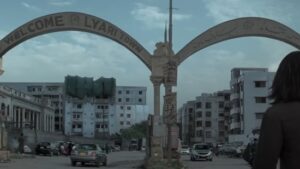
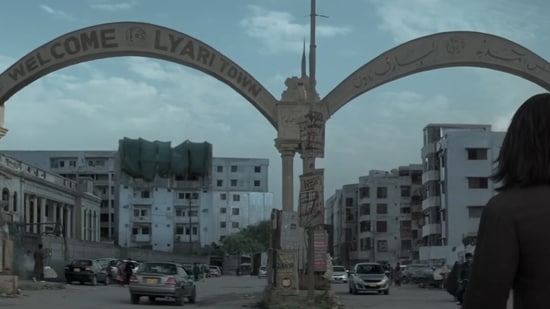
Given Lyari’s complex reality, the decision by Aditya Dhar and his team to recreate its environment in Thailand was a strategic one. Filming on location would have entailed significant security risks, complex logistics, and an array of permissions that could prove insurmountable for a production of this scale. Instead, the filmmakers opted for a controlled environment, allowing them to focus entirely on artistic authenticity without compromising the safety of their cast and crew. This approach is not uncommon in international filmmaking, where the spirit of a location is often captured through meticulous set design and extensive research when direct access is impractical.
The recreation process was far from superficial. Dhar’s team immersed themselves in understanding Lyari’s architectural style, the specific textures of its streets, the typical storefronts, the vibrant street art, and even the everyday clutter that defines its visual landscape. This involved extensive photographic research, studying documentaries, and likely consulting with individuals who have intimate knowledge of the area. The goal was not merely to build a backdrop, but to construct an environment that feels lived-in and real, mirroring the energy and atmosphere of Lyari itself. Such dedication ensures that the narrative of *Dhurandhar* can unfold against a backdrop that resonates with the original location’s distinct character, providing audiences with an authentic viewing experience.
The choice to recreate Lyari highlights a broader challenge and opportunity in modern cinema: how to tell stories about sensitive or inaccessible locations responsibly and effectively. By investing in detailed set construction and research, filmmakers can overcome geographical barriers and focus on the human stories at the heart of their narratives. It demonstrates that respect for a location’s identity can be maintained even when filming from afar, as long as the commitment to accuracy and cultural nuance is paramount.
This filmmaking strategy also brings Lyari’s narrative, albeit indirectly, to a wider audience, prompting a renewed interest in its history, challenges, and enduring spirit. It underscores how cinema can act as a bridge, allowing viewers to glimpse into places they might never visit, fostering understanding and empathy. For the *Dhurandhar* team, this recreation is a testament to their dedication to storytelling that is both compelling and deeply respectful of the realities it seeks to portray.
Key Takeaways:
* Creative Solution for Filming: Director Aditya Dhar’s *Dhurandhar* team recreated Pakistan’s Lyari streets in Thailand due to logistical and security challenges of filming directly in the area.
* Lyari’s Dual Identity: Lyari is known for its complex history of gang warfare and poverty but also for its vibrant football culture (“Mini Brazil”) and strong Baloch and Sindhi community spirit.
* Dedication to Authenticity: The filmmaking team undertook extensive research into Lyari’s architecture, street life, and cultural nuances to ensure the recreated sets were as true to life as possible.
* Bridging Gaps Through Cinema: This approach allows filmmakers to tell stories set in sensitive or inaccessible locations responsibly, bringing diverse narratives to a global audience while prioritizing crew safety.
* Cultural Representation: The meticulous recreation underscores an effort to honor Lyari’s unique identity, contributing to a nuanced portrayal beyond its sometimes-troubled reputation.