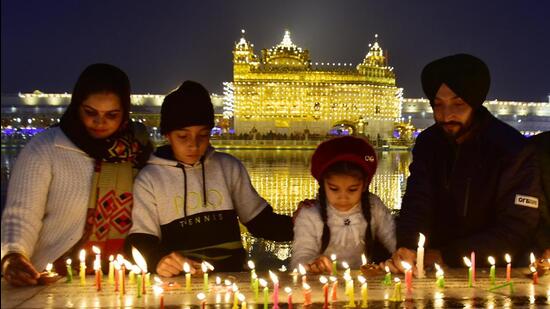
No nationwide holiday for Guru Gobind Singh Jayanti as SC flags governance, productivity| India News
Religious Observances National Holidays State Recognition Clarified Omni 360 News Key Understandings
A recent court clarification has brought an important distinction into focus regarding the intersection of religious freedom and state-recognized holidays. The ruling underlines that while individuals inherently possess the constitutional right to practice their religion, this freedom does not extend to demanding that the state declare a specific religious occasion as a compulsory nationwide holiday. This nuance is crucial for understanding the balance between personal faith and public governance.
Think of it like this for a 12th-grade student: you are absolutely free to celebrate your birthday with your family and friends, but you cannot demand that the school declare your birthday a public holiday for everyone. The court’s statement clarifies that everyone can observe their religious festivals and practices without interference. This protection of individual faith is a cornerstone of many constitutions. However, asking the government to make a religious day a mandatory national holiday for all citizens, regardless of their beliefs, steps into a different territory. National holidays often carry economic and social implications, impacting businesses, schools, and essential services across the entire nation.
The court’s perspective emphasizes that a government’s role, especially in diverse societies, is to maintain neutrality and inclusivity. Granting compulsory nationwide holiday status to one religious occasion could potentially be seen as endorsing one faith over others, or even over non-religious citizens. This could inadvertently create a sense of exclusion for various communities. Local discussions in diverse townships often highlight this exact point: ensuring fairness means not giving preferential treatment that could disrupt the collective rhythm of public life.
The core idea here is safeguarding the secular fabric of the state. It allows individuals to celebrate their beliefs privately and communally without state interference, but it also ensures the state remains impartial. This distinction prevents the government from becoming entangled in religious affairs beyond ensuring the freedom to practice them. It’s about recognizing the rich tapestry of beliefs without mandating national observance for any single thread. As Omni 360 News continues to report on legal developments, this clarification serves as a vital reminder of the thoughtful boundaries drawn within constitutional frameworks.
Key Takeaways
The court’s clarification means:
* Religious Freedom Remains Absolute: Individuals are fully protected to observe their faith.
* State Neutrality is Key: The government should not endorse one religion by making its festivals compulsory national holidays for everyone.
* Balance and Inclusivity: This distinction helps maintain a fair and inclusive environment for all citizens in a diverse society.