
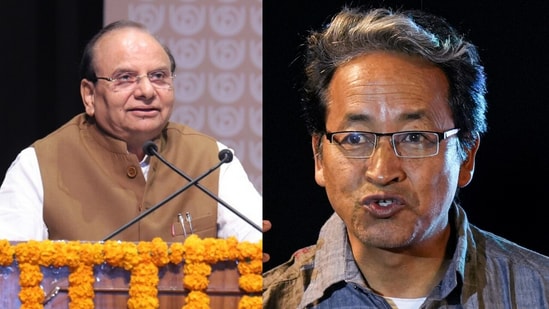
‘No space for agitation’: Reactions pour in on Sonam Wangchuk release decision, Ladakh L-G calls for dialogue| India News
Ladakh Dialogue Hopes Vinai Saxena on Sonam Wangchuk Engagement for Peace Omni 360 News
The fragile yet resilient landscape of Ladakh has long been a focal point for environmental advocacy and community aspirations. Recent statements, particularly one attributed to Vinai Saxena describing Sonam Wangchuk’s release as a “positive step” towards fostering “peace, stability and mutual trust in Ladakh,” underscore a critical moment in the region’s ongoing journey. This sentiment, conveyed from a position of influence, suggests a governmental acknowledgement of local concerns and a desire to de-escalate tensions, signaling a potential shift towards more collaborative governance in the Union Territory.
For decades, Ladakh has grappled with the delicate balance between development and preservation, an issue brought to the fore by its unique ecological vulnerability and rich cultural heritage. The region, known for its stunning cold desert mountains and Buddhist monasteries, became a Union Territory in 2019, a move that brought both opportunities and fresh challenges. While the UT status fulfilled a long-standing demand for administrative autonomy from Jammu and Kashmir, it also sparked new anxieties about the protection of land, jobs, and cultural identity from external influences.
Sonam Wangchuk’s Stand for Ladakh’s Future
At the heart of Ladakh’s recent public discourse stands Sonam Wangchuk, an innovator, education reformist, and climate activist whose work gained global recognition. Wangchuk is not just a local hero; he is a global advocate for sustainable living, deeply rooted in the ecological realities of his home. His recent 21-day “climate fast” in Leh, drawing widespread attention from across India and internationally, was a poignant expression of Ladakh’s deeply felt demands.
Wangchuk and other local leaders have been advocating primarily for Ladakh’s inclusion in the Sixth Schedule of the Indian Constitution. This constitutional provision offers special protections to tribal areas in states like Assam, Meghalaya, Tripura, and Mizoram, granting significant autonomy to local councils over land, forest management, and cultural matters. For Ladakh, such a safeguard is seen as essential to protect its unique demography, environment, and traditional way of life from potential exploitation stemming from uncontrolled tourism or industrialization post-UT status.
Beyond the Sixth Schedule, local groups have also pressed for statehood, separate parliamentary constituencies for Leh and Kargil districts, and assurances regarding job security for local residents. These demands reflect a profound desire for greater self-determination and a shield against policies that might overlook local needs in favor of broader national interests without adequate consultation.
The “Positive Step” Towards Dialogue
The statement from Vinai Saxena, viewing the resolution of the immediate heightened tensions around Sonam Wangchuk’s fast as a “positive step,” signifies a recognition that open communication and mutual understanding are vital. The term “release” in this context can be understood not as a literal liberation from detention—as Wangchuk was not arrested—but rather as a release from the impasse created by the prolonged fast, opening doors for renewed dialogue between Ladakh’s representatives and the central government.
Such an acknowledgment from a prominent official carries significant weight. It implies an understanding that the concerns raised by Wangchuk and the people of Ladakh are legitimate and warrant serious consideration. This is crucial for fostering an environment where citizens feel heard and respected, which is the bedrock of peace and stability. When local voices perceive their grievances are being sidelined, mistrust can fester, leading to prolonged agitation. Conversely, an official endorsement of the de-escalation sets a precedent for constructive engagement.
Building Peace, Stability, and Mutual Trust
The journey towards achieving “peace, stability, and mutual trust” in Ladakh is multifaceted.
* Peace in this context extends beyond the absence of conflict; it involves addressing the underlying causes of discontent, ensuring equity, and safeguarding fundamental rights. For Ladakh, this means reconciling developmental aspirations with environmental protection and cultural preservation.
* Stability is achieved when there is a predictable and fair governance framework that addresses local needs without constant friction. This includes clear policies on land use, employment, and resource management that are developed in consultation with local communities.
* Mutual Trust is perhaps the most elusive yet vital component. It requires transparency from the government, consistent follow-through on commitments, and active participation from local communities in decision-making processes. For the people of Ladakh, trust means believing that their land and identity will not be compromised for external interests.
Local news outlets in Ladakh have consistently highlighted the urgency of these demands. Reports from Leh and Kargil often feature community leaders stressing the fragile ecosystem and the irreversible damage that unchecked development could inflict. They emphasize that the future of Ladakh depends on decisions made today, requiring a forward-looking approach that balances economic growth with ecological wisdom.
Environmental Stewardship and Cultural Identity
Ladakh’s extreme climate and unique biodiversity make it particularly susceptible to environmental degradation. The region’s glaciers are a critical water source for millions downstream, making climate action and responsible resource management paramount. Sonam Wangchuk’s activism has consistently linked the fight for constitutional safeguards to the broader imperative of climate action, arguing that indigenous control over resources leads to more sustainable practices.
Preserving Ladakh’s distinct Buddhist culture and traditions is another cornerstone of the movement. The influx of external populations or rapid urbanization without proper safeguards could dilute this identity, which has been carefully nurtured over centuries. Local communities believe that constitutional protections are vital to ensure that their cultural heritage thrives alongside modern development.
Key Takeaways
The situation in Ladakh reflects a crucial national conversation about balancing local autonomy with centralized governance. The explicit mention of a “positive step” regarding Sonam Wangchuk’s engagement by Vinai Saxena signifies:
* Recognition of Grievances: Acknowledging that Ladakh’s concerns are valid and require attention.
* Emphasis on Dialogue: Prioritizing negotiation and discussion over confrontation to resolve issues.
* Pathway to Trust: An attempt to build confidence between the local population and the central administration.
* Commitment to Stability: A clear signal towards ensuring a peaceful and stable environment in the strategically important region.
As Omni 360 News continues to monitor these developments, it is clear that the path ahead for Ladakh requires sustained, empathetic engagement. The initial positive sentiment expressed by officials must translate into concrete policy actions that genuinely empower local communities, protect their unique environment, and honor their rich cultural legacy. Only through such committed action can true peace, stability, and mutual trust genuinely take root and flourish in the spectacular land of high passes.