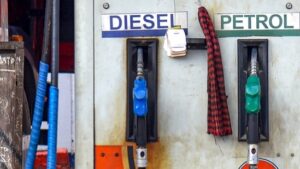
No surge in pump price of petrol, diesel even as fuel import cost at record high amid West Asia conflict| India News
Fuel Price Stability Amidst Global Oil Swings What It Means for Local Economies
Amidst a backdrop of volatile international crude oil markets, a puzzling stability has settled over the domestic petrol and diesel pump prices. Despite the significant upward trajectory of global crude benchmarks, both public and private sector Oil Marketing Companies, or OMCs, operating across the nation continue to absorb substantial input costs without passing them on to consumers. This unusual equilibrium presents a complex economic picture, particularly for local communities and everyday citizens.
For anyone observing the energy sector, the current situation raises pertinent questions. International crude oil prices, which dictate a major portion of India’s fuel cost, have been on a surge. Factors ranging from geopolitical tensions to supply chain disruptions and robust global demand have pushed these prices higher. Traditionally, such increases would lead to a swift upward revision at the fuel pumps. Yet, motorists continue to fill their tanks at prices that have largely remained unchanged for an extended period.
The Silent Absorption Act
Oil Marketing Companies, including prominent public players and their private counterparts, are essentially acting as a buffer. They are purchasing crude oil at higher global rates, refining it, and then distributing petrol and diesel, all while maintaining retail prices. This strategy means these companies are shouldering the increased financial burden, allowing consumers to escape the direct pinch of international market fluctuations.
Why would OMCs, whose primary goal is profitability, willingly absorb such costs? Industry observers and local economic analysts point to several contributing factors. One significant element is often the unspoken influence of government policy. While not always a direct mandate, the expectation of price stability, especially during periods sensitive to public sentiment or upcoming electoral cycles, can strongly sway pricing decisions. OMCs, particularly public sector entities, often operate with a broader social mandate in mind, beyond mere profit maximization.
Another angle is the fierce competition within the domestic market. Neither public nor private players want to be the first to raise prices, fearing a loss of market share. This competitive pressure creates a sort of stalemate, where all players prefer to absorb costs rather than risk alienating their customer base. Furthermore, OMCs might be banking on future crude price corrections, hoping that the current high costs are temporary and will eventually normalize, allowing them to recover their margins. Inventory management also plays a role; companies might be selling older, cheaper stock for a period, though this strategy has its limits.
Understanding the Economic Mechanics
For a 12th-grade student, understanding this dynamic is crucial. Imagine your school canteen buys apples at 10 rupees each. If the farmer suddenly starts selling apples at 15 rupees, the canteen usually raises its price to you. But in this scenario, the canteen keeps selling apples at 12 rupees, absorbing the extra 3 rupees themselves. This helps you, the student, but means the canteen makes less profit, or even a loss, on each apple.
Similarly, OMCs are buying crude oil, which is like the raw material. The cost of this raw material (crude oil) has gone up. But the price they sell the finished product (petrol and diesel) to you at the pump has not. This means their profit margins are shrinking, or they might even be incurring losses on fuel sales.
Impact on OMCs and the Broader Economy
While consumers might rejoice at stable fuel prices, the sustained absorption of high input costs inevitably strains the financial health of OMCs. This can impact their profitability, balance sheets, and their capacity for future investments in refining infrastructure or green energy initiatives. Local financial reporters often highlight how this pressure can affect dividend payouts or stock performance for these energy giants.
More broadly, this price stability has a ripple effect on the economy, particularly at the local level. For instance, small transport operators, who rely heavily on diesel, benefit immensely. Their operating costs remain predictable, which helps stabilize freight charges. This, in turn, can help keep the prices of essential goods stable in local markets, mitigating inflationary pressures that would otherwise hit household budgets hard. Local farmers, small business owners operating delivery services, and daily commuters all experience a direct benefit, allowing them to better manage their finances.
However, this stability can also mask underlying economic realities. It prevents the market from sending clear signals about the true cost of energy, potentially delaying adjustments in consumer behavior or investments in more fuel-efficient technologies. Local chambers of commerce often debate whether such interventions are sustainable in the long run.
Key Takeaways
The ongoing absorption of high crude prices by OMCs is a multifaceted issue with significant implications.
* Consumer Relief Motorists and transport sectors benefit directly from stable pump prices, easing immediate financial burdens.
* OMC Strain The financial health of Oil Marketing Companies is under pressure, impacting their profitability and investment capacity.
* Inflation Control Stable fuel prices play a crucial role in moderating overall inflation, particularly for essential goods in local markets.
* Market Distortion The current pricing mechanism might not fully reflect global market realities, potentially delaying necessary economic adjustments.
As Omni 360 News continues to monitor these developments, the delicate balance between consumer protection, corporate profitability, and market realities remains a central theme. The current strategy offers immediate relief but raises questions about its long-term sustainability and the broader implications for India’s energy landscape.