‘Not Kashmir’: Rajasthan's Bikaner turns white after intense hailstorm
Bikaner’s April Chill A Startling Weather Shift
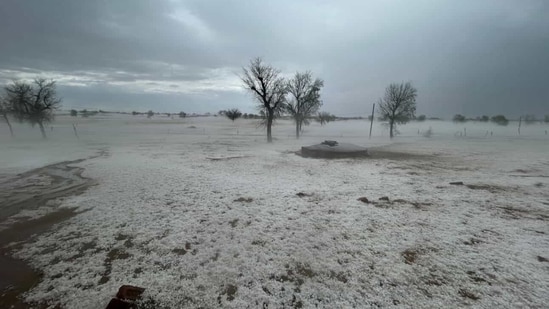
Rajasthan’s typically arid Bikaner, known for its scorching heat, witnessed an extraordinary spectacle on April 4. The mercury, which hovered around a blistering 40 degrees Celsius on the same date last year, plummeted to a surprising 30 degrees Celsius. This dramatic drop was accompanied by an intense hailstorm, transforming the desert landscape into a blanket of white, reminiscent of a hill station rather than a dry plain. Omni 360 News observed local reports highlighting the profound shock and wonder among residents.
The sudden cold and unexpected precipitation brought both relief and concern across the region. While the temporary respite from the early onset of summer heat was widely welcomed, farmers expressed anxieties over potential damage to standing crops, a crucial concern for an agricultural belt. Local eyewitnesses described hailstones covering streets and rooftops, a truly rare and visually stunning sight for Bikaner in early April. Verified accounts from various regional news outlets corroborated the unusual intensity and widespread nature of the hailstorm.
This event underscores the increasing unpredictability of weather patterns, challenging long-held climate expectations for regions like Bikaner. Such extreme weather shifts demand closer attention to local meteorological data and community resilience, especially as global climate dynamics appear to influence even localized phenomena.
Key Takeaways
- Bikaner experienced an unusual temperature drop to 30°C on April 4, down from 40°C the previous year.
- An intense hailstorm turned the arid region white, a rare occurrence for early April.
- The event highlights increasing climate unpredictability and its localized impact on agriculture and daily life.
- Local residents and farmers faced both temporary relief from heat and concerns over crop damage.
Monitoring these localized shifts becomes crucial for understanding broader climate trends and preparing communities for an uncertain future.