Odisha Rajya Sabha poll: Congress shifts MLAs to Bengaluru, BJD holds bootcamp| India News
Odisha Congress MLAs in Bengaluru Resort Unpacking the Strategy and Key Takeaways Omni 360 News
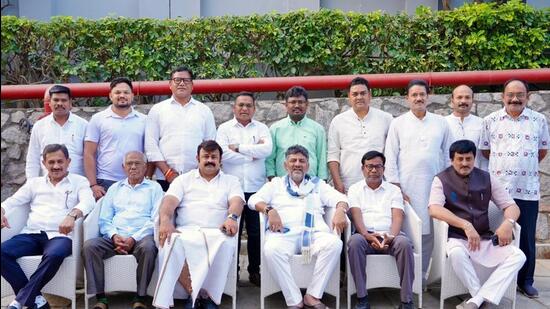
The political currents in Odisha have once again shown their unpredictable nature, drawing national attention to a familiar tactic in India’s electoral playbook: resort politics. On a recent Thursday night, nine out of the fourteen Congress Members of Legislative Assembly from the Odisha assembly were discreetly moved to a private resort on the outskirts of Bengaluru. This strategic relocation signals deep-seated anxieties and calculated maneuvers within the party as crucial political events loom on the horizon.
For any seasoned observer of Indian politics, the sight of elected representatives being sequestered in a resort, often far from their home state, is a clear indicator of perceived threats from rival parties or internal dissent. In this instance, the Congress party, holding a modest fourteen seats in the 147-member Odisha assembly, appears to be acting preemptively. This move is widely understood to be a measure to safeguard its legislative strength against potential defections or “poaching” attempts by more dominant political players in the state, particularly the ruling Biju Janata Dal BJD and the increasingly assertive Bharatiya Janata Party BJP.
The Backdrop of Uncertainty in Odisha
Odisha’s political arena is rarely dull. While the BJD has enjoyed a prolonged period of dominance under Chief Minister Naveen Patnaik, the opposition, though fragmented, constantly seeks opportunities to chip away at its power. The Congress, once a formidable force in the state, has seen its influence wane over the past few decades. With only fourteen MLAs, every single legislator holds significant value, especially in scenarios like Rajya Sabha elections, Speaker elections, or any event requiring a show of strength. Losing even a few MLAs could severely impact the party’s ability to exert any meaningful influence or even retain its official opposition status.
Local political commentators and regional news outlets have been abuzz with speculation. Sources close to the Congress state unit, often quoted in Odia language newspapers, suggest that the move was necessitated by credible intelligence reports regarding efforts by other parties to entice Congress MLAs with lucrative offers or promises of tickets in future elections. This fear is not unfounded; instances of defection are a recurring feature of Indian democracy, particularly in states where political power is closely contested or where one party seeks to consolidate its hold.
The Bengaluru Connection The Resort as a Strategic Enclave
Bengaluru, often called India’s Silicon Valley, has ironically become a preferred destination for “resort politics.” Its relative distance from the political maelstrom of many states, its connectivity, and the availability of high-end resorts offering both comfort and isolation make it an ideal choice for such operations. The precise location of the resort, though kept under wraps by the party, is typically chosen for its ability to restrict external contact and prevent unauthorized access. The objective is singular: to keep the flock together, away from temptations and pressures until a particular political hurdle is cleared.
This particular exercise involves nine MLAs, implying that five legislators were either not part of the group or were deliberately left out. This distinction itself sparks further questions: Are the remaining five seen as loyal and immune to poaching, or are there internal dynamics at play where certain MLAs are deemed less crucial or perhaps even less trustworthy? Such details often fuel intense discussions on local news channels, where political analysts dissect every aspect of the party’s strategy.
Why Now An Eye on Upcoming Challenges
While no immediate major elections are underway in Odisha, such a drastic step often precedes critical events. Potential scenarios include:
* Rajya Sabha Elections: Though dates might not be immediately announced, parties often begin consolidating their numbers months in advance to ensure their preferred candidates sail through.
* Local Body Elections: While less directly impacted by MLA numbers, ensuring party cohesion sends a strong message ahead of grassroots contests.
* Internal Party Politics: Sometimes, such moves are also a show of strength by a particular faction within the party, aiming to sideline rivals or consolidate leadership.
* General Elections Ahead: With the next general assembly and Lok Sabha elections not too far off, this could be an early attempt to fortify the party’s base and project a united front, however fragile it might be.
The BJD and BJP have, predictably, reacted with scorn, labeling the Congress’s action as a sign of its internal weakness and lack of trust in its own elected representatives. However, history shows that nearly all major political parties in India have resorted to similar tactics at various times when faced with similar challenges.
Key Takeaways by Omni 360 News
This episode offers several important insights into the current political climate:
1. Fragile Foundations: The Congress in Odisha remains a party grappling with internal instability and external threats, constantly having to guard its numerical strength.
2. Resort Politics Persists: Despite widespread criticism, the tactic of sequestering MLAs remains a go-to strategy for parties fearing defections, underscoring systemic vulnerabilities in anti-defection laws or the political culture itself.
3. Regional Impact: The move, while seemingly confined to a few legislators, has ripple effects across Odisha’s political landscape, influencing public perception and inter-party dynamics. It signals a heightened state of alert within the Congress state unit.
4. The Stakes are High: For a party with limited numbers, every MLA is critical. Protecting them becomes paramount to maintaining political relevance and electoral viability in the long run.
As these Congress MLAs remain in Bengaluru, the political drama continues to unfold in Odisha. What happens next will depend on the intricate negotiations, the resolve of the party leadership, and the strategies of its rivals. This move is not just about moving MLAs; it’s about a desperate attempt to maintain political balance and prevent further erosion of a party struggling to regain its lost glory. The outcome will be watched closely by citizens and political players alike, especially by those who believe in strengthening democratic institutions against such strategic isolations.