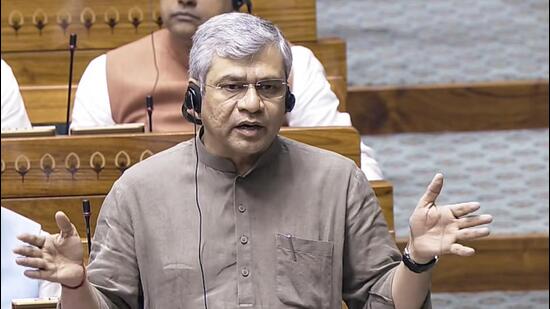
Online safety for children priority, govt mulls AI, Social Media curbs: Vaishnaw| India News
India Considers Stronger Digital Safeguards for Citizens and Children
In a significant move addressing the evolving digital landscape, IT Minister Ashwini Vaishnaw has signaled the government’s intent to implement more robust measures against the spread of harmful AI-generated content and the inherent risks posed by social media platforms, particularly to children. This proactive stance underscores a growing global concern about online safety and the ethical governance of artificial intelligence.
The digital realm, while offering unparalleled connectivity and information, also presents a complex array of challenges. From the insidious spread of misinformation to the direct threats of cyberbullying, the need for a balanced regulatory framework has never been more urgent. The minister’s recent pronouncements reflect a clear resolve to fortify India’s digital defenses, ensuring a safer online environment for all its citizens.
The AI Challenge: Beyond the Hype
Artificial intelligence, a field rapidly expanding its capabilities, brings with it both immense promise and considerable peril. While AI can power breakthroughs in healthcare, education, and economic development, its misuse can lead to serious societal harm. Minister Vaishnaw’s statements specifically target “harmful AI-generated content.” What does this entail?
Think of scenarios like deepfakes—highly realistic synthetic media where a person’s image or voice is manipulated to say or do things they never did. These can be used to spread false information, defame individuals, or even incite social unrest. Beyond deepfakes, AI can also be leveraged to create sophisticated misinformation campaigns, crafting persuasive narratives that blur the lines between fact and fiction, making it incredibly difficult for an ordinary user to discern truth.
Furthermore, AI algorithms, if not carefully designed and monitored, can perpetuate biases, leading to discriminatory outcomes in areas like employment or credit scoring. The government’s concern, as outlined by the minister, is to prevent AI from becoming a tool for deception, harassment, or the erosion of trust in digital information. Ensuring that AI development aligns with ethical principles and public safety is a foundational aspect of this proposed regulatory push. This isn’t about stifling innovation; it’s about channeling it responsibly.
Social Media’s Double-Edged Sword for Our Youth
Social media platforms have become integral to modern life, offering avenues for connection, expression, and information sharing. However, for children and adolescents, these platforms can be a minefield of potential dangers. Minister Vaishnaw highlighted the “social media risks to children and citizens,” a concern widely echoed by parents, educators, and child safety advocates.
Children, often lacking the critical discernment and emotional resilience of adults, are particularly vulnerable. They might encounter inappropriate content—violence, pornography, or hateful rhetoric—that can be deeply disturbing and psychologically damaging. Cyberbullying is another rampant issue, where young individuals face online harassment, intimidation, or exclusion, often leading to severe mental health consequences, including anxiety, depression, and even self-harm.
The addictive nature of social media, driven by algorithms designed to maximize engagement, can also detract from academic performance, physical activity, and healthy social development. Privacy concerns are paramount, as children’s personal data can be exposed or misused, putting them at risk of exploitation. The minister’s focus here is on creating a digital space where children can explore and learn without being subjected to these pervasive threats, ensuring their digital well-being is prioritized.
The Path Forward: Stronger Steps and a Balanced Approach
When the IT Minister speaks of “stronger steps,” it implies a multi-faceted approach, moving beyond existing guidelines to create a more robust framework. While specific details are still being deliberated, such measures could encompass several key areas:
1. Enhanced Regulatory Frameworks: This might involve amending existing IT Rules or introducing new legislation that places greater accountability on social media platforms and AI developers. This could include mandates for faster content moderation, transparency in AI algorithm design, and stringent penalties for non-compliance.
2. Age-Appropriate Design Codes: Platforms might be required to design their services with children’s safety in mind, implementing stricter age verification mechanisms, disabling certain features for minors, and prioritizing privacy by design.
3. Public Awareness and Digital Literacy: A crucial element of protection involves empowering citizens, especially children and parents, with the knowledge to navigate the digital world safely. This would mean robust campaigns on identifying misinformation, understanding privacy settings, and reporting harmful content.
4. International Collaboration: Digital threats transcend national borders. India, through its various policy discussions and forums, will likely continue to advocate for global cooperation in setting standards for AI governance and online safety.
5. Collaboration with Tech Companies: While regulation is key, the government also recognizes the need for collaboration with technology companies. These firms possess the technical expertise and resources to implement effective safety features and develop AI responsibly. The goal is to foster an environment where innovation thrives within ethical boundaries.
This emphasis on stronger steps aims to create a more transparent and accountable digital ecosystem. It is about establishing clear lines of responsibility, ensuring that those who deploy AI technologies and operate social media platforms are held accountable for the content they host and the impact they have on users.
Key Takeaways for a Safer Digital Future:
* The government is seriously considering new regulations to tackle the growing threats from AI-generated misinformation and social media harm.
* “Harmful AI content” refers to manipulated media like deepfakes and AI-driven misinformation campaigns that can deceive and spread falsehoods.
* Children are a primary focus due to risks like cyberbullying, exposure to inappropriate content, and privacy breaches on social media.
* Future measures could include stricter laws for tech companies, mandates for safer platform design for children, and national campaigns to boost digital literacy.
* The goal is to foster a safe and responsible digital environment without hindering technological advancement.
As India positions itself as a global leader in technology, ensuring a secure and ethical digital space is paramount. The discussions initiated by Minister Vaishnaw are a vital step in this direction, promising a future where the benefits of AI and social media can be harnessed responsibly, protecting the most vulnerable sections of society. This comprehensive approach, highlighted by **Omni 360 News**, reflects a commitment to building a resilient digital India for generations to come.