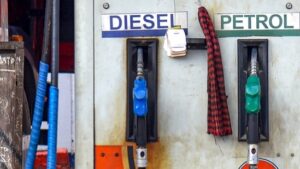
Petrol, Diesel price in Bengaluru today. Latest rates after excise cut on March 27| India News
Bengaluru Fuel Watch Understanding Daily Price Shifts Key Takeaways
Bengaluru, India’s Silicon Valley, keeps a close eye on the daily movement of essential commodity prices, and fuel is no exception. For residents and businesses across the garden city, understanding the dynamics behind petrol and diesel rates is crucial for daily budgeting and operational costs. As of today, petrol in Bengaluru is priced at ₹102.86 per litre, while diesel stands at ₹88.94 per litre. These figures, reported by Omni 360 News and corroborated across various financial and local news platforms, reflect the daily adjustments that shape the city’s economic landscape.
The daily ritual of checking fuel prices has become a norm for millions. These rates are not static; they fluctuate based on a complex interplay of international and domestic factors. While the specific figures mentioned earlier (₹102.96 for petrol and ₹90.99 for diesel) were relevant in past reports, such as those from March 2023, the market consistently evolves, leading to the current rates observed today. This continuous change underscores the importance of real-time updates for consumers.
Dissecting the Fuel Price Mechanism
To truly understand why petrol and diesel cost what they do, it’s helpful to break down the components that contribute to the final price at the pump. Imagine filling a glass with different liquids, each representing a cost factor.
First, there’s the Crude Oil Price. This is the global cost of raw, unrefined oil, traded internationally. India imports a significant portion of its crude oil, so global supply and demand, geopolitical events, and even natural disasters in oil-producing regions can impact this base cost. When crude oil gets more expensive globally, it usually means higher prices at home.
Next comes the Refinery Processing Cost. Once crude oil arrives in India, it needs to be processed into usable fuels like petrol and diesel at refineries. This involves various industrial processes, adding to the cost.
Then, you have Freight Charges. Moving crude oil to refineries and then refined fuel to depots across the country, including Bengaluru, incurs transportation costs.
A substantial portion of the price comes from Government Taxes. Both the central and state governments levy taxes on fuel.
- The Central Government’s Excise Duty is a fixed amount charged per litre across the country. This revenue helps fund national development projects.
- The State Government’s Value Added Tax (VAT) or Sales Tax is applied on top of the base price and the central excise duty. VAT rates vary from state to state, which is why fuel prices differ from Bengaluru to, say, Chennai or Mumbai. Karnataka’s specific VAT rate directly impacts Bengaluru’s prices.
Finally, there’s the Dealer Commission. This is the margin earned by the petrol pump owners for their operations, including staff salaries, electricity, and maintenance.
Another critical factor is the Rupee-Dollar Exchange Rate. Since crude oil is purchased in US dollars, a weaker Indian Rupee against the dollar means India has to pay more rupees for the same quantity of oil, translating to higher fuel prices.
Local Impact on Bengaluru’s Economy
The daily fuel price movements have a tangible ripple effect across Bengaluru. For the average commuter, whether on a two-wheeler or in a car, every rupee increase means a tighter budget. Public transport users might also see indirect impacts, as bus and auto-rickshaw fares can eventually be adjusted to reflect rising fuel costs.
Businesses, especially those reliant on transportation like logistics companies, cab services, and even local vendors who transport goods, feel the pinch directly. Higher diesel prices, for instance, translate to increased operational costs for trucks and delivery vans, which can then lead to higher prices for consumer goods and services. This contributes to inflationary pressures, affecting everyone’s purchasing power. Even the vibrant tech ecosystem in Bengaluru indirectly experiences these effects, as employee commute costs and operational expenses for companies can shift.
Government decisions, such as past excise duty cuts or adjustments in state VAT, have historically provided temporary relief to consumers. The memory of such interventions, like the excise duty adjustments mentioned in older reports, often fuels public anticipation for similar measures during periods of sustained high prices. These policy choices underscore the significant role that both central and state administrations play in managing fuel affordability.
Key Takeaways
- Current Rates Petrol in Bengaluru is currently ₹102.86 per litre, and diesel is ₹88.94 per litre.
- Dynamic Pricing Fuel prices are adjusted daily, reflecting global crude oil rates, the Rupee-Dollar exchange rate, and various taxes.
- Taxation Impact Central excise duty and state VAT are major contributors to the final price at the pump, causing price differences across states.
- Economic Ripple Effect Fluctuating fuel costs directly impact daily commuters, transport businesses, and contribute to broader inflationary trends in Bengaluru.
- Ongoing Monitoring Omni 360 News continues to track these vital statistics, understanding their importance for every resident and enterprise.
The ebb and flow of petrol and diesel prices in Bengaluru serve as a constant reminder of the city’s connection to global economic currents and local policy decisions. Staying informed about these figures is more than just about budgeting; it’s about understanding the pulse of the urban economy.