play
Philippines on Empty: A Nation Holds Its Breath
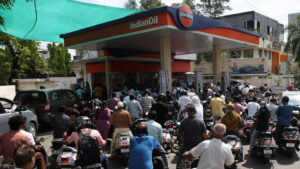
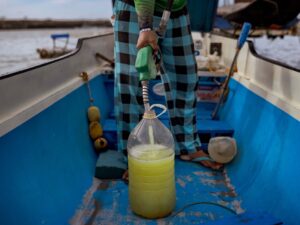
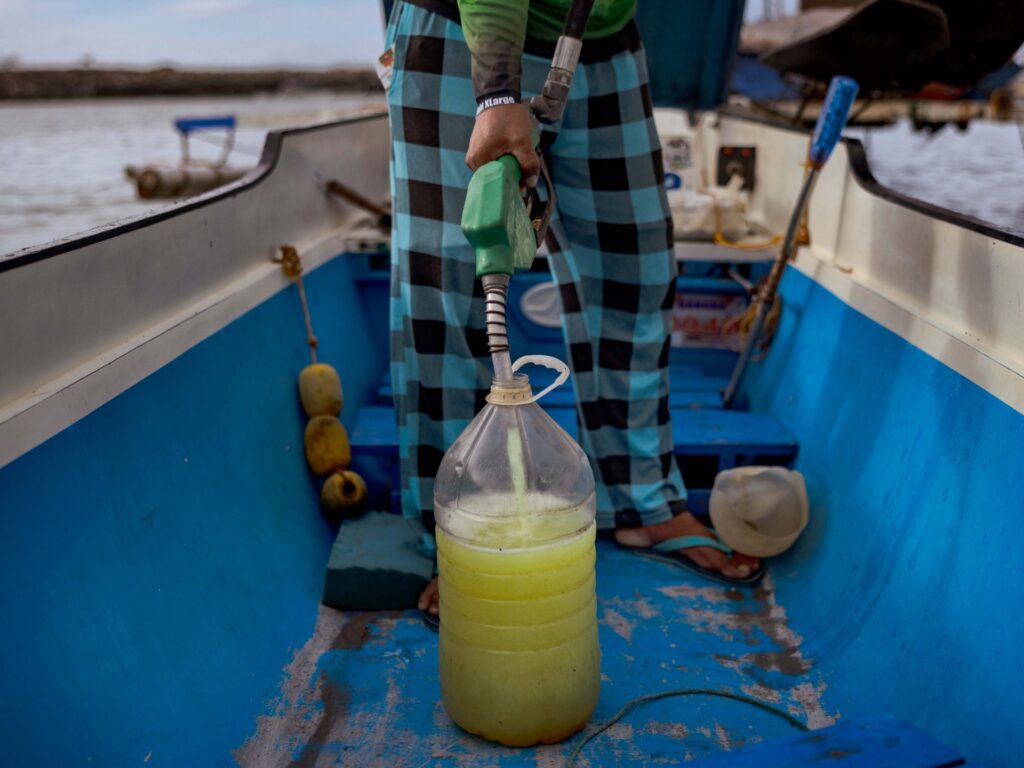
Imagine your morning commute grinding to a halt. The jeepney you rely on can’t find gas. Food prices at the market just spiked because delivery trucks are stranded. Across the Philippines, ordinary families are facing that stark reality right now. It’s more than just an inconvenience; it’s a direct hit to daily life, threatening livelihoods and basic needs. This isn’t some distant geopolitical squabble; it’s playing out on every street corner, every fishing village, every bustling market.
The government, recognizing the severity, has officially declared a national emergency. What does this mean, practically? It means rationing is a real possibility. It means schools and businesses could see disruptions. The nation’s energy reserves are dangerously low, a consequence of strained global supply chains and fluctuating international prices. For an archipelago nation so reliant on imported fuel for transport, power generation, and fishing fleets, this isn’t just bad news; it’s a fundamental challenge to its very operation. They’re struggling to secure enough petroleum products, and every day the situation tightens further.
Can the Philippines navigate this energy crunch?
This emergency isn’t a bolt from the blue. It’s a harsh reminder of how fragile global energy markets truly are and how vulnerable nations without significant domestic oil production remain. When geopolitical tensions flare or major producers cut output, countries like the Philippines feel the pinch immediately and acutely. It’s not just about the price at the pump; it’s about food security, public services, and economic stability. Manila faces immense pressure to secure alternative supplies, fast, before the current reserves completely vanish. Long-term, this crisis highlights the urgent need for diversified energy sources and better strategic reserves. It’s a wake-up call, one that many smaller economies are hearing loud and clear. What we’re witnessing is an economy gasping for breath, desperately seeking a refuel.
Who: The government of the Philippines.
What: Declared a national emergency.
Why: Due to rapidly dwindling fuel supplies threatening essential services, transport, and the national economy. The situation stems from global supply chain pressures and the nation’s heavy reliance on imported petroleum.