
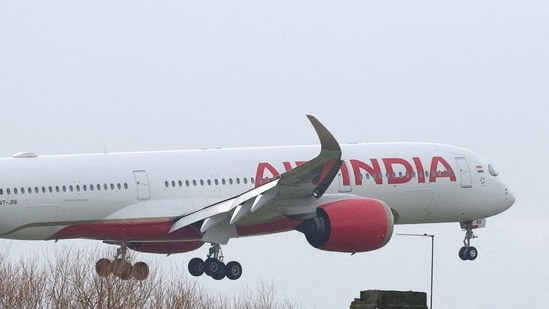
Pilots’ association flags ‘serious risk’ in Air India flights to West Asia, writes to DGCA: ‘Wilful endangerment’| India News
Indian Pilots Sound Alarm on Air India Conflict Zone Operations
The Airline Pilots’ Association of India, widely known as ALPA India, has raised a significant alert regarding Air India’s flight operations through airspace identified as active conflict zones. The pilots’ body has urgently called upon the Indian government, specifically the Directorate General of Civil Aviation (DGCA), to intervene and ensure the paramount safety of passengers and crew alike. This pressing concern underscores the delicate balance between operational efficiency and the absolute necessity of secure air travel.
At the heart of ALPA India’s apprehension are the routes Air India continues to traverse over regions like the Iranian airspace, particularly the Strait of Hormuz. This area, notorious for geopolitical tensions and military activity, presents a tangible risk to civilian aircraft. The association’s letter, addressed to both the DGCA and Air India’s flight safety department, highlights the potential for tragic misidentification or unintended targeting, drawing parallels to devastating past incidents involving commercial flights in contested skies. The ghost of Malaysia Airlines Flight MH17, brought down over eastern Ukraine, and the unfortunate shooting down of Iran Air Flight 655 decades ago, serve as grim reminders of the catastrophic consequences when aviation safety protocols are compromised in conflict areas.
ALPA India’s communication emphasizes that these risks are not speculative but grounded in concrete historical events and ongoing regional instability. The pilots argue that while other international carriers have proactively adjusted their flight paths to avoid such perilous zones, Air India has maintained its existing routes. This disparity raises serious questions about the airline’s risk assessment strategies and its commitment to international aviation safety standards. The association’s core demand is unambiguous: mandate Air India to reroute its flights through safer alternative corridors, bypassing regions where human lives could be jeopardized by escalating military confrontations or unforeseen incidents.
For those unfamiliar with the complexities of aviation regulation, the DGCA acts as India’s primary watchdog for civil aviation. Its mandate includes ensuring adherence to safety standards, investigating incidents, and issuing directives to airlines. ALPA India’s appeal places the ball firmly in the DGCA’s court, urging the regulator to exercise its authority and prioritize the well-being of the traveling public and aircrew. The expectation is that the DGCA will not only review Air India’s current operational practices but also issue clear instructions for immediate course correction.
Despite the gravity of the concerns raised, Air India has reportedly remained silent on the matter, offering no public statement in response to the pilots’ association. This lack of immediate communication leaves many questions unanswered about the airline’s internal assessments and any potential plans to address the identified safety vulnerabilities. The situation highlights the critical need for transparency and proactive measures from all stakeholders involved in air travel, especially when operating in a global landscape marked by unpredictable geopolitical shifts.
The wider aviation community closely monitors flight paths over sensitive regions. International bodies like the International Civil Aviation Organization (ICAO) provide guidelines and recommendations, but ultimately, national aviation authorities and airlines are responsible for their specific risk management. The decision by numerous global carriers to avoid certain airspaces during times of heightened tension is a testament to a cautious and safety-first approach. ALPA India’s concerns resonate with this global sentiment, reinforcing the principle that no operational convenience should ever outweigh the imperative of secure aviation. This issue is not just about a specific airline or association; it reflects broader questions about aviation safety in an increasingly complex world.
As Omni 360 News continues to monitor this developing story, the focus remains firmly on passenger and crew safety. The implications of flying through conflict zones are severe, not just in terms of potential physical harm but also for the reputation of Air India and the overall trust in Indian aviation.
Key Takeaways:
* The Airline Pilots’ Association of India (ALPA India) has expressed serious concerns about Air India’s flight routes over conflict zones, particularly Iranian airspace.
* The association has urged the Directorate General of Civil Aviation (DGCA) to intervene and instruct Air India to reroute flights.
* Past incidents like MH17 and Iran Air Flight 655 are cited as warnings against flying in militarized or unstable regions.
* ALPA India highlights that many international carriers already avoid these dangerous airspaces.
* The primary objective is to safeguard passenger and crew lives by ensuring safer alternative flight paths.