PM Modi accuses Congress of “spreading panic and fear” during global crises| India News
Gujarat Rally Focuses on Stability and Development Amidst Political Debate
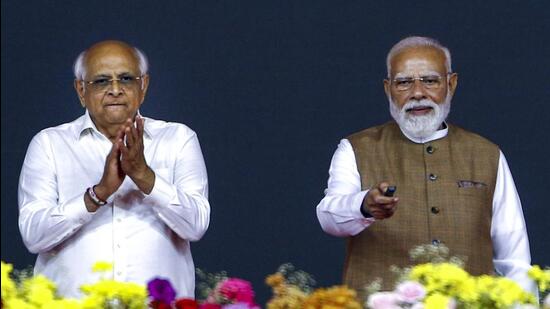
Prime Minister Narendra Modi recently addressed gatherings in Gujarat’s Anand and Kheda districts, delivering a strong message on his government’s approach to national challenges while outlining a vision for regional progress. The rallies, held on March 27, saw the Prime Minister directly addressing concerns about economic stability and development, alongside sharp criticism of the opposition. His remarks underscored the administration’s resolve in navigating global complexities and its commitment to infrastructure growth, providing significant insights for citizens tracking national policy and local initiatives through platforms like Omni 360 News.
Congress Accused of Fostering Panic During Crises
During his address, Prime Minister Modi directed pointed accusations at the Congress party, suggesting they engaged in spreading “fear and panic” during periods of national and global crisis. He referenced significant events such as the COVID-19 pandemic and the Ukraine conflict, alleging that the opposition’s rhetoric aimed to sow mistrust and instability among the populace. The Prime Minister’s statements painted a picture of a political environment where, he argued, the Congress sought to capitalize on uncertainty rather than contribute to solutions. This narrative suggested a deliberate attempt by the opposition to undermine public confidence at critical junctures. He highlighted instances where, in his view, the Congress’s actions were counterproductive to national unity and collective resilience, especially when the country needed a unified front against challenges. These allegations touched upon the opposition’s questioning of vaccine efficacy during the pandemic and their stance on various international developments, implying a consistent pattern of negativity.
Defending Fuel Price Management Amidst Global Swings
A significant portion of the Prime Minister’s speech was dedicated to defending his government’s management of fuel prices, a topic often at the forefront of public discourse. He acknowledged the global volatility in energy markets but asserted that India’s economy had successfully weathered these storms due to prudent governmental policies. Prime Minister Modi emphasized that despite international pressures, India maintained a lower inflation rate compared to many developed economies and even neighboring countries. He explained that global crude oil price fluctuations inevitably impact domestic fuel costs, but the government had taken steps to mitigate the burden on citizens. These measures, he indicated, included strategic tax adjustments and a focus on long-term economic stability to absorb external shocks. The Prime Minister’s defense aimed to reassure the public that the government was not oblivious to their concerns but was instead implementing a carefully considered strategy to balance economic realities with citizen welfare, thereby preventing runaway inflation observed elsewhere in the world. He highlighted the broader context of global economic headwinds that necessitated careful fiscal planning and policy interventions to protect household budgets as much as possible.
Unveiling ₹20,000 Crore Development Projects for Gujarat
Beyond political commentary, the Prime Minister used the platform to reiterate his government’s unwavering commitment to Gujarat’s developmental trajectory. He announced and highlighted the progress of development projects worth an estimated ₹20,000 crore earmarked for the state. These projects span various critical sectors, including infrastructure, water resources, urban development, and social welfare, aiming to significantly enhance the quality of life for residents across districts like Anand and Kheda. The Prime Minister articulated how these investments are designed to create new economic opportunities, improve connectivity, and upgrade essential services, aligning with the state’s broader growth objectives. Specific mentions included upgrades to roads, new irrigation schemes to benefit farmers, and initiatives for urban modernization, all contributing to a robust regional economy. The focus on such substantial investments reinforces the government’s strategy of fostering inclusive growth and ensuring that the benefits of development reach every segment of society in Gujarat, further solidifying its reputation as an industrial and agricultural powerhouse.
Key Takeaways from the Gujarat Rally
The Prime Minister’s rally in Gujarat served as a multi-faceted platform for communication. Firstly, it marked a clear political offensive against the Congress, accusing them of undermining national efforts during crises. Secondly, it provided a robust defense of the government’s economic policies, particularly regarding fuel prices, by contextualizing them within global challenges and highlighting comparative stability. Lastly, and perhaps most importantly for the local audience, it underscored a significant commitment to regional development through the announcement and progress of projects totaling ₹20,000 crore. These messages resonate strongly with both national political narratives and local aspirations for growth and stability.