PM Modi becomes longest-serving head of government with 8,931 days in office| India News
PM Modi’s Enduring Tenure Crosses Historic Mark of Days in Office, Surpassing Chamling
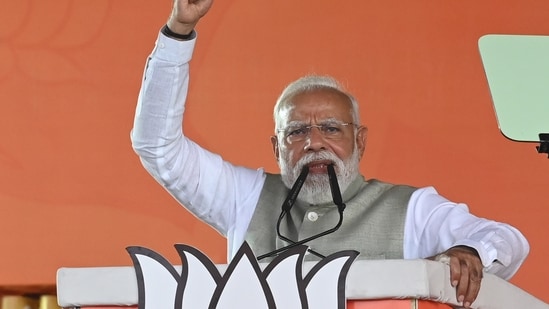
In a notable moment of political longevity, Prime Minister Narendra Modi has now served more days as the head of an elected government than former Sikkim Chief Minister Pawan Kumar Chamling, marking a significant milestone in India’s political landscape. This achievement places PM Modi in an exclusive club of leaders who have navigated the complex currents of Indian democracy for extended periods, commanding public trust across different roles. This report, from Omni 360 News, delves into the significance of this record, exploring the journeys of both statesmen.
A Deep Dive into the Milestone
The record, previously held by Pawan Kumar Chamling, stood at an impressive 8,930 days. Chamling, who served as the Chief Minister of Sikkim from December 12, 1994, to May 27, 2019, holds the distinction of being the longest-serving Chief Minister of any Indian state. His tenure was characterized by a focus on environmental conservation, sustainable development, and maintaining peace in the Himalayan state. For a leader in a smaller, geographically sensitive state to hold office for nearly two and a half decades speaks volumes about his connection with the populace and his administrative acumen.
Prime Minister Modi’s combined tenure encompasses his long and impactful stint as the Chief Minister of Gujarat and his ongoing leadership as the Prime Minister of India. Beginning his journey as Chief Minister of Gujarat on October 7, 2001, he served the state for over twelve years before taking on the national mantle as Prime Minister on May 26, 2014. It is the cumulative duration of these two high-stakes roles that has propelled him past Chamling’s impressive record. This combined service reflects a sustained period at the helm of governance, steering both a vibrant state and the world’s largest democracy through various challenges and periods of growth.
Chamling’s Legacy in Sikkim
Pawan Kumar Chamling’s enduring popularity in Sikkim, which allowed him to secure five consecutive terms, is a testament to his unique approach to governance. Under his leadership, Sikkim emerged as a model for organic farming, a green state championing eco-tourism, and a region with a strong emphasis on peace and cultural preservation. Local newspapers in Sikkim often reflect on his era, highlighting initiatives like the ‘Green Mission’ and the ‘Sikkim Organic Mission’ which truly set the state apart. His focus on inclusive growth, ensuring benefits reached even the remotest villages, cultivated a deep bond with the people of Sikkim. Reports from regional outlets consistently lauded his efforts in maintaining the state’s distinct identity while fostering economic progress.
Modi’s Journey to National Leadership
Prime Minister Modi’s path has been marked by a different scale of challenges and opportunities. As Chief Minister of Gujarat, he was credited with spearheading economic development and attracting significant investment, often dubbed the ‘Gujarat Model.’ Upon assuming the role of Prime Minister, his focus broadened to national reforms, ambitious infrastructure projects, and a more assertive foreign policy. From ‘Make in India’ to ‘Swachh Bharat Abhiyan,’ his tenure has been defined by large-scale initiatives aiming at societal and economic transformation across the vast and diverse nation. The sustained mandate he has received speaks to a deep resonance with a significant section of the Indian electorate.
What Longevity in Office Signifies
Achieving such prolonged tenures, whether at the state or national level, underscores several key aspects of leadership. It speaks to a leader’s ability to maintain public confidence, adapt to changing political landscapes, and effectively navigate internal and external pressures. For both Chamling and Modi, their long innings reflect strong organizational backing, consistent electoral performance, and a defined vision that resonated with their respective electorates. In a democracy, such long tenures are a powerful indicator of popular support and a capacity to deliver on expectations, or at least manage them effectively.
The political discourse surrounding such records often extends beyond mere numbers, touching upon the evolution of governance, the changing aspirations of the populace, and the resilience required to remain relevant in an ever-shifting political environment. It is a testament to their political acumen, strategic vision, and an unwavering connection with their voter base.
Key Takeaways:
* PM Narendra Modi has surpassed Pawan Kumar Chamling’s record of 8,930 days as head of an elected government.
* Chamling’s long tenure as Sikkim CM focused on environmental protection and inclusive development.
* Modi’s record combines his service as Gujarat CM and current term as India’s Prime Minister.
* Political longevity highlights sustained public support, effective governance, and strategic leadership.
This milestone, as reported by Omni 360 News, is not merely a statistical record but a narrative of enduring public service and the intricate dynamics of democratic leadership in India. It offers an opportunity to reflect on the distinct journeys and legacies of two prominent figures who have shaped, and continue to shape, the political fabric of the nation.