PM Modi reviews power readiness in high-level meet as West Asia conflict rages| India News
Modi Reviews India’s Energy Sector as Crude Eases West Asia Tensions Persist
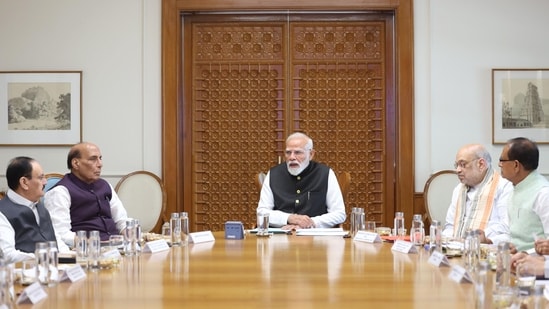
New Delhi – In a proactive move to safeguard the nation’s economic stability and energy security, Prime Minister Narendra Modi recently convened a high-level review of India’s crucial energy sectors. The strategic session comes at a pivotal time, as global crude oil prices have shown a noticeable dip from their recent peak of $119 per barrel, offering a much-needed, albeit fragile, respite. However, the shadow of persistent geopolitical tensions in West Asia continues to loom large, underscoring the complexities of India’s energy landscape. This comprehensive assessment aims to fortify India’s resilience against the volatile international energy market, a story we continue to track closely here at Omni 360 News.
For a nation like India, which imports over 85% of its crude oil requirements, the fluctuations in global prices have immediate and far-reaching consequences. When crude oil prices soar, the cost of petrol, diesel, and cooking gas at the pump rises, directly impacting the common citizen’s household budget. It also escalates the operational costs for industries, from manufacturing to transportation, potentially fueling inflation across the economy. Furthermore, higher import bills widen the country’s trade deficit, putting pressure on the Indian rupee. Therefore, the recent easing of crude prices from highs nearing $119 offers a temporary financial breathing space, allowing policymakers to strategize without the immediate panic of spiraling costs.
The Prime Minister’s review, while not detailed publicly, is understood to have encompassed a broad spectrum of considerations. Discussions likely focused on ensuring the availability of adequate crude oil supplies, optimizing India’s refining capacity, and prudently managing strategic petroleum reserves. The aim is always to cushion the domestic market against sudden shocks and maintain a steady supply chain that can navigate global disruptions. This involves not only securing long-term supply contracts but also exploring new procurement avenues to diversify India’s import basket, reducing over-reliance on any single region or supplier.
However, the moderate relief from easing crude prices is tempered by the enduring instability in West Asia. This region is a critical global energy hub, home to some of the world’s largest oil producers and host to vital shipping lanes like the Strait of Hormuz. Any escalation of conflict or political unrest there can swiftly disrupt oil production or transport routes, sending global prices skyward once again. India, with its significant energy ties to nations in West Asia, remains keenly aware of these vulnerabilities. The review would have undoubtedly assessed the contingency plans in place to mitigate such risks, including diplomatic engagements aimed at promoting regional stability and maintaining open communication channels with key energy partners.
Beyond immediate supply management, a core focus of India’s energy strategy, reinforced during such high-level reviews, is the relentless pursuit of diversification and enhanced domestic resilience. This means reducing India’s heavy dependence on imported fossil fuels by bolstering indigenous production and aggressively accelerating the transition to renewable energy sources. Programs promoting solar power, wind energy, and hydroelectric projects are vital components of this long-term vision. The push for biofuels, particularly ethanol blending with petrol, is another significant step, aiming to utilize agricultural waste and surplus produce to meet energy needs, thereby creating a virtuous cycle for farmers and the environment. These initiatives not only contribute to energy security but also align with global climate goals and generate local employment opportunities.
The economic implications of energy prices for India extend far beyond the balance sheets of oil companies. They ripple through the entire economy, influencing everything from the cost of food transport to the price of manufactured goods. High fuel prices can ignite inflationary pressures, forcing the Reserve Bank of India to consider higher interest rates, which can, in turn, slow down economic growth. The government faces a delicate balancing act: providing relief to consumers and industries through taxes or subsidies, while simultaneously maintaining fiscal discipline. The Prime Minister’s review provides an opportunity to evaluate these policy levers and ensure they are optimally calibrated to support sustained economic development and protect the purchasing power of citizens.
Key Takeaways
* Proactive Governance: Prime Minister Modi’s review underscores India’s commitment to proactively managing its energy security amidst global uncertainties.
* Fragile Relief: While global crude prices have eased, the relief is considered tenuous given the persistent geopolitical risks in West Asia.
* Diversification is Key: India is intensifying efforts to diversify its energy sources, reduce import dependence, and boost domestic production, including renewables and biofuels.
* Geopolitical Impact: Instability in critical oil-producing regions like West Asia remains a significant threat to India’s energy supply and economic stability.
* Economic Ripples: Global energy price fluctuations directly impact domestic inflation, industrial costs, and household budgets in India.
In conclusion, India’s energy challenge is multifaceted, requiring continuous strategic foresight and adaptive policy-making. The recent review by Prime Minister Modi reinforces the nation’s determination to navigate the complexities of the global energy landscape, balancing immediate economic pressures with long-term goals of sustainability and self-reliance. As global events continue to shape energy markets, India remains committed to a path that ensures both energy security and economic prosperity for its people, a narrative that Omni 360 News will keep its readers informed about with timely and accurate reporting.