PM Modi lists GOBARdhan, biofuels among long-term measures amid fuel crunch| India News
India’s Fuel Future Prime Minister Highlights Local Energy Solutions
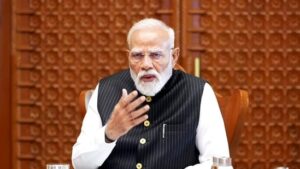
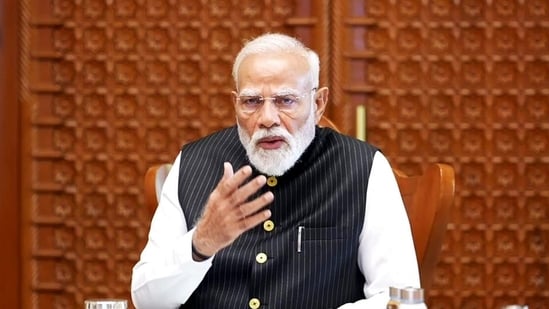
The ongoing conflict in West Asia casts a long shadow over global stability, not least through its tangible threat to international oil supplies. This volatility often translates directly into disrupted supply chains and fluctuating fuel prices worldwide. Recognizing the critical nature of this situation, the Prime Minister recently convened a crucial meeting to address India’s energy security, pivoting the discussion from immediate concerns to robust, long-term indigenous strategies.
Rather than merely reacting to the present crunch, the focus of the high-level deliberation was firmly on building a resilient and self-reliant energy ecosystem. Reports from various news outlets, including national dailies and regional media, confirm that the Prime Minister underscored the importance of accelerating domestic solutions to insulate India from global oil shocks. At the heart of this forward-looking approach are initiatives like the Gobardhan scheme and the broader push for biofuels.
Understanding these initiatives is key to grasping India’s strategic vision. The Gobardhan scheme, a portmanteau of “Galvanizing Organic Bio-Agro Resources Dhan,” translates to “wealth” in Hindi. It is a government program designed to convert cattle dung and agricultural waste into biogas and organic manure. Imagine a village where instead of waste piling up, it becomes a valuable resource. Farmers and rural communities are encouraged to collect this organic material, which is then processed in biogas plants. The biogas produced can be used for cooking, lighting, or even generating electricity, significantly reducing reliance on conventional fuels like LPG. The leftover slurry from these plants is a rich organic fertilizer, improving soil health and reducing the need for chemical alternatives. This initiative is a prime example of a ‘circular economy,’ where waste is not just managed but transformed into wealth, supporting rural livelihoods and fostering environmental sustainability. Omni 360 News highlights how such grassroots efforts contribute to national energy security.
Parallel to Gobardhan, the government is intensifying its focus on biofuels. Biofuels are essentially fuels derived from biomass, which includes plants, algae, and animal waste. The most prominent biofuel in India’s strategy is ethanol, primarily produced from sugarcane or damaged food grains. Ethanol is blended with petrol, a practice known as ethanol blending. India has ambitious targets, aiming for E20 (20% ethanol blend in petrol) by 2025. This move offers multiple advantages. Firstly, it directly reduces the country’s colossal crude oil import bill, saving valuable foreign exchange. Secondly, it provides farmers with an alternative market for their produce, particularly sugarcane, thereby boosting agricultural incomes. Thirdly, biofuels are generally considered cleaner-burning than fossil fuels, contributing to a reduction in air pollution and carbon emissions, aligning with India’s climate goals. The widespread discussion across various regional platforms confirms the government’s sustained commitment to these energy alternatives.
The Prime Minister’s emphasis on these programs underscores a comprehensive approach to energy independence. It acknowledges that while geopolitical events may trigger immediate crises, the true solution lies in building robust domestic capacities and diversifying the energy basket. This not only safeguards the economy from external shocks but also promotes environmental stewardship and fosters inclusive growth, particularly in rural areas. By converting waste into usable energy and reducing reliance on fossil fuels, India is charting a course towards a more sustainable and secure energy future for its citizens.
Key Takeaways:
* The Prime Minister’s meeting focused on long-term energy solutions amidst global oil supply threats.
* India prioritizes indigenous strategies like Gobardhan and biofuels to enhance energy security.
* The Gobardhan scheme converts organic waste into biogas and organic manure, fostering a circular economy in rural areas.
* Biofuels, particularly ethanol blending, aim to reduce crude oil imports, support farmers, and lessen environmental impact.
* These initiatives represent India’s strategic push towards self-reliance and sustainability in energy.