LIVE: Excise duty on petrol cut to ₹3; PM Modi to meet CMs on West Asia conflict| India News
National Unity on West Asia Tensions Prime Minister Modi Engages State Leaders on Preparedness
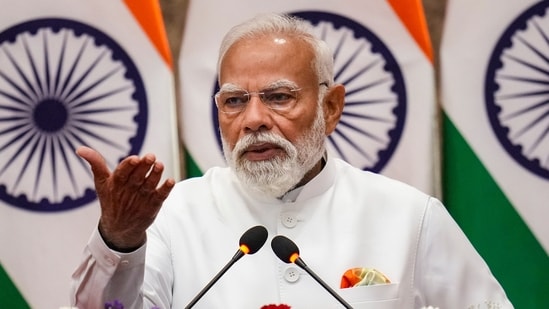
New Delhi Amidst simmering geopolitical tensions in West Asia, Prime Minister Narendra Modi recently convened a pivotal meeting with Chief Ministers from across India. This critical gathering aimed to thoroughly review the nation’s preparedness and strategic responses to the evolving situation in the region. The discussions underscore a proactive approach by the central government, fostering a united front with state administrations to safeguard national interests and citizen welfare.
The Prime Minister’s engagement with state leaders, reported by various news outlets and corroborated through official statements and regional government releases, highlights a concerted effort to ensure every corner of the country is aligned on potential impacts. It’s understood that states heading towards elections were respectfully excluded from this particular discussion, adhering to established protocols regarding government activities during pre-poll periods. This nuanced approach ensures that the focus remains solely on the strategic imperatives arising from the international scenario. Omni 360 News has been closely monitoring how these global events translate into domestic policy and preparedness.
Understanding the West Asia Landscape
To fully grasp the significance of this meeting, it’s essential to understand the West Asia conflict in simple terms. Imagine a part of the world that is extremely important for global trade, especially for oil and gas, and has a long history of complex relationships between different countries and groups. When tensions rise there, like they have recently, it can lead to instability, affect the flow of goods, and even impact the safety of people living or working in those areas. For a country like India, which has deep economic ties and a large diaspora in West Asia, any escalation is a serious concern. It’s not just about distant political disagreements; it’s about the potential for disrupted oil supplies, fluctuating prices, and the safety of our citizens abroad. This is precisely why the Prime Minister sought direct input and collaboration from state leaders, whose jurisdictions are directly affected by these global ripples.
The Meeting’s Core Focus Preparedness and Coordinated Action
The central theme of the Prime Minister’s interaction was comprehensive preparedness. The discussions moved beyond mere updates, delving into actionable strategies for states. Key areas of focus included:
Safeguarding Indian Citizens Abroad
Many Indian citizens live and work in West Asia, sending remittances back home which are vital for many state economies. The meeting addressed mechanisms for ensuring their safety, establishing clear communication channels, and developing contingency plans for potential evacuations, should the need arise. State governments, with their direct links to families and communities, play a crucial role in disseminating information and providing support. Reports from various regional news desks highlighted the particular concern expressed by states with significant diaspora populations, such as Kerala, Uttar Pradesh, and Punjab.
Economic Impact and Supply Chain Resilience
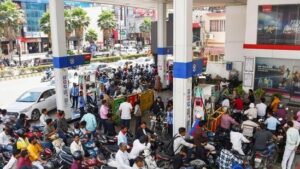
The volatile situation in West Asia can trigger fluctuations in global oil prices and disrupt crucial shipping routes. For India, a major oil importer, this directly impacts domestic fuel prices, transport costs, and inflation, affecting every household and business. The Chief Ministers discussed strategies to mitigate these economic shocks at the state level. This includes monitoring supply chains for essential goods, managing potential price surges, and ensuring the smooth functioning of local economies despite external pressures. State finance departments and industry bodies have been tasked with closely tracking global developments and their local implications.
Internal Security and Information Management
Global conflicts can sometimes have repercussions on internal security, including the spread of misinformation or communal tensions. The meeting emphasized the importance of maintaining peace and order within states, monitoring information flows, and preventing any adverse societal impacts. State police forces and intelligence units were directed to remain vigilant and work in close coordination with central agencies to address any potential challenges effectively. Local law enforcement sources have indicated an increased focus on community outreach and verifying information to prevent panic or misinterpretation.
State-Specific Contingency Plans
While the national government sets the overarching policy, effective response ultimately hinges on granular, state-level planning. Chief Ministers outlined their specific plans to handle various scenarios, drawing on local resources and expertise. This included reviewing emergency response systems, coordinating with various departments, and engaging with local communities to build resilience. From port states preparing for potential shipping delays to agricultural states anticipating fuel cost impacts, the diversity of concerns across India necessitated tailored strategies.
Key Takeaways for Citizens and Governance
The meeting underscored several critical points for both governance and the general public:
* Unified National Approach: Despite the diversity of states, there is a clear commitment to a unified national response to external challenges, ensuring India speaks and acts with one voice.
* Proactive Preparedness: The government is not waiting for crises to unfold but is actively planning and preparing for potential eventualities, demonstrating foresight in national security and economic management.
* Citizen Welfare as Priority: The safety and well-being of Indian citizens, both at home and abroad, remain a paramount concern, driving policy decisions and diplomatic efforts.
* Economic Vigilance: A close watch is being kept on global economic indicators, particularly oil prices and trade routes, to cushion any adverse effects on the Indian economy and everyday life.
* Importance of State-Centre Collaboration: Effective governance in the face of complex global events necessitates seamless cooperation between the central government and state administrations, leveraging their combined strengths and local insights.
This high-level deliberation reflects India’s mature approach to international relations, balancing its strategic interests with a deep commitment to its citizens’ welfare. As the situation in West Asia continues to evolve, Omni 360 News will keep you informed on how these national strategies translate into tangible actions, ensuring transparency and clarity for our readers. The collaborative spirit demonstrated in this meeting serves as a strong foundation for navigating an uncertain global landscape.