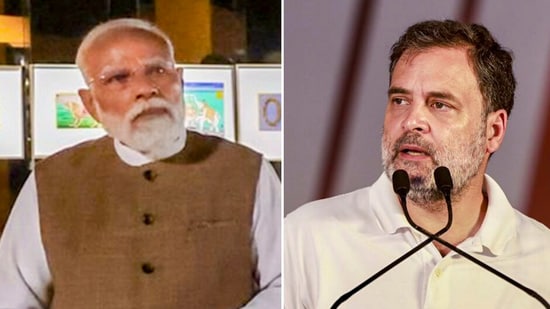
‘Political vultures’ vs ‘PM run by Trump’: Modi, Rahul exchange fire over West Asia war impact on India| India News
Kerala’s Silent Anxiety Rahul Gandhi’s Gulf Worker Concern Spotlights Regional Instability Key Takeaways
The bustling landscape of Kerala, a state deeply intertwined with the economies of the Gulf, recently heard a candid acknowledgment of its residents’ concerns. Rahul Gandhi, addressing a gathering, chose a poignant phrase: “You know better than me what is happening.” This simple statement cuts to the heart of a profound anxiety felt across countless homes in Kerala, highlighting the precarious position of its migrant workers amid escalating tensions in West Asia. For generations, the promise of work and better wages in countries like Saudi Arabia, UAE, Qatar, Kuwait, Oman, and Bahrain has drawn a significant portion of Kerala’s workforce, transforming the state’s economic fabric with a steady flow of remittances.
Kerala’s unique demographic and economic story is largely written by its diaspora. For decades, the Gulf region has been a second home for millions of Keralites. These workers, from skilled professionals to daily wage earners, send home billions of rupees annually, forming the bedrock of many families’ financial stability and significantly contributing to the state’s gross domestic product. This money fuels local businesses, builds homes, supports education, and provides healthcare, making Kerala’s economy remarkably dependent on the stability and prosperity of the Gulf nations. When geopolitical storms gather in West Asia, the ripples of uncertainty quickly reach Kerala’s shores.
The ongoing conflicts and heightened diplomatic tensions in West Asia are not abstract headlines for the families in Kerala. They translate directly into fears about job security, potential salary cuts, and even the safety of their loved ones. A downturn in Gulf economies, triggered by conflict or shifting oil prices, can lead to widespread job losses, visa restrictions, and repatriation challenges. The unspoken threat is always present: if the region falters, so too does the financial lifeline for countless households back home. It is this intimate, lived experience that Rahul Gandhi’s statement addressed, resonating deeply with an audience acutely aware of the delicate balance sustaining their lives.
While the political discourse often veers into broader national debates, as evidenced by recent exchanges between political figures regarding India’s foreign policy and its domestic implications, the core issue for Kerala remains profoundly human. The statement in Kerala wasn’t just a political talking point; it was an acknowledgment of a shared vulnerability. It highlights a critical challenge for any government: how to navigate complex international relations while simultaneously safeguarding the economic interests and well-being of its global diaspora. Local news outlets across Kerala frequently report on issues concerning returning migrants, remittance flows, and the anxieties of families waiting for news from abroad, underscoring the constant local focus on these international developments.
The implications of regional instability extend beyond economics. The mental and emotional toll on families separated by thousands of miles, living with daily uncertainty, is immeasurable. Stories of workers facing exploitation, passport issues, or sudden job termination are not uncommon. These are the narratives that contribute to the collective knowledge Rahul Gandhi referenced, a deeper understanding born from personal experience and shared communal worry.
From the perspective of Omni 360 News, this incident underscores the profound interconnectedness of global geopolitics and local livelihoods. A seemingly distant conflict in West Asia can directly impact the financial stability of a village in Kerala. It calls for robust diplomatic efforts, proactive government policies for diaspora welfare, and consistent monitoring of regional developments to mitigate risks for Indian expatriates. The resilience of Kerala’s migrant workers and their families is immense, yet their vulnerabilities in the face of international turbulence demand urgent attention and thoughtful policy.
Key Takeaways
* Gulf Dependency Kerala’s economy heavily relies on remittances from its large diaspora working in the Gulf region.
* Impact of Instability Conflicts and tensions in West Asia directly threaten job security and financial stability for these migrant workers and their families back home.
* Human Element Rahul Gandhi’s statement acknowledged the deep, personal anxieties felt by Keralites concerning their loved ones abroad.
* Policy Challenge The situation highlights the critical need for governmental strategies to protect and support Indian diaspora amidst global uncertainties.
* Interconnectedness Local economies are profoundly affected by international geopolitical events, underscoring the need for a holistic approach to foreign policy.