‘Political vultures’ vs ‘PM run by Trump’: Modi, Rahul exchange fire over West Asia war impact on India| India News
Kerala’s Gulf Workforce At Risk Rahul Gandhi Voices Concerns
In the bustling landscape of Kerala, a state deeply interconnected with the fortunes of the Gulf region, a significant dialogue unfolded as Congress leader Rahul Gandhi addressed a gathering. His poignant remark, “You know better than me what is happening,” resonated profoundly with an audience whose lives are intimately woven with the ebb and flow of events in West Asia. This statement, delivered amidst rising anxieties over regional conflicts, underscored a recognition of the direct, lived experiences of countless Keralite families.
Kerala, often called the ‘Remittance Economy,’ holds a unique position in India. For decades, its sons and daughters have ventured to the Gulf countries in pursuit of livelihoods, sending back vital funds that form the bedrock of the state’s prosperity. These remittances fuel local businesses, support families, and contribute significantly to Kerala’s Gross State Domestic Product. An estimated two million Keralites live and work in the Gulf Cooperation Council (GCC) nations, making any instability in the region a matter of immediate and profound concern for virtually every household back home.
During his address, Gandhi articulated the anxieties shared by many, highlighting the potential repercussions of the escalating West Asia conflict on these expatriate workers. His words were a direct acknowledgment of the state’s vulnerability to geopolitical shifts far beyond its borders. The reference to the audience’s inherent understanding spoke volumes, indicating that the impact of regional instability is not a distant news headline but a palpable reality that touches their daily lives through family members working abroad.
The current volatility in West Asia, marked by various regional tensions, casts a long shadow over the future of Indian workers, particularly those from Kerala. Concerns range from job security and potential layoffs to disruptions in travel, remittances, and overall safety. Local news reports from Kerala frequently feature stories of families grappling with uncertainties faced by their loved ones overseas. These narratives are often overlooked in broader national discussions but are central to the Keralite experience. For instance, Malayalam language newspapers and online portals often detail specific community anxieties and the proactive measures local diaspora organizations are taking.
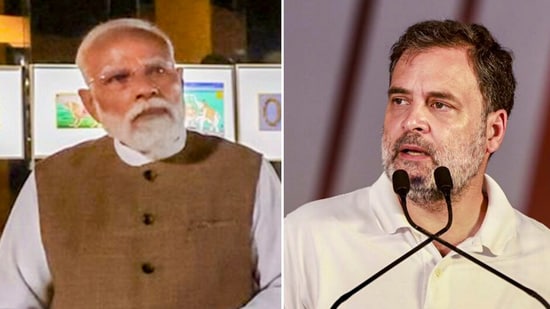
The statement by Rahul Gandhi, widely reported by regional media outlets like Mathrubhumi and Manorama Online, brought to the forefront the need for a national strategy to protect the interests of the Indian diaspora. While the Central government has affirmed its commitment to the welfare of Indian citizens abroad, the groundswell of apprehension in Kerala suggests a deep-seated desire for more visible and reassuring interventions. The political discourse around this issue saw exchanges between Gandhi and Prime Minister Narendra Modi, reflecting the national leadership’s engagement with the critical impact of global events on India’s populace. However, at the heart of the matter remains the economic lifeline connecting Kerala to the Gulf.
The economic implications for Kerala are substantial. A significant reduction in remittances could trigger a domino effect across various sectors. Local businesses, construction, and real estate, all heavily reliant on Gulf money, could face slowdowns. Families that depend on these funds for education, healthcare, and daily expenses would feel an immediate pinch. This situation underscores the fragile balance of a state economy heavily diversified by global employment opportunities. For Omni 360 News, understanding these nuanced local impacts is paramount to presenting a complete picture.
Key Takeaways:
* Kerala’s Gulf Dependency: The state’s economy is profoundly linked to remittances from its large diaspora in West Asia.
* Escalating Anxiety: Ongoing conflicts in the Gulf region create significant concern for job security and safety among Keralite workers and their families.
* Political Acknowledgment: Rahul Gandhi’s statement highlighted the direct, lived experience of Keralites regarding the impact of global events.
* Economic Ripple Effect: Reduced remittances could significantly impact Kerala’s local economy, affecting households, businesses, and development.
* Need for Support: The situation calls for continued focus on the welfare and security of the Indian diaspora.
The sentiments expressed by Rahul Gandhi in Kerala serve as a critical reminder of the human element often obscured by headlines of geopolitical maneuvering. For the people of Kerala, the stability of West Asia is not an abstract concept but a matter of daily bread, family well-being, and future aspirations. As events unfold globally, the vigilance and support for this vital segment of India’s workforce remain an urgent priority for both state and central authorities. The plea from Kerala’s shores for attention to its Gulf-dependent populace resonates far and wide, urging comprehensive strategies to navigate these challenging times.