Rajasthan shocker: Class 11 student hit with iron rods, stabbed to death after dispute over social media reels| India News
Kota Teen Killed Amid Social Media Reel Dispute Rajasthan Crime Spotlight
A shadow of deep concern has fallen over Kota, Rajasthan, following the brutal murder of a 17-year-old boy, a tragic incident police attribute to a simmering dispute fueled by social media reels. The disturbing episode underscores the dangerous escalation of online rivalries into real-world violence, prompting urgent calls for greater vigilance among youth and their guardians. This detailed report, brought to you by Omni 360 News, delves into the specifics of this chilling event and its broader implications.
The Unfolding Tragedy in Vigyan Nagar
The peace of Kota’s Vigyan Nagar area was shattered late Tuesday evening when Arjun Singh, a 17-year-old local resident, became the victim of a fatal assault. According to initial police reports and witness statements gathered by local authorities, Arjun was ambushed by a group of two to three individuals near a deserted stretch, a location often frequented by local youth. The attack was swift and merciless, leaving the teenager with critical injuries. Despite immediate efforts by passersby to render aid and rush him to a nearby medical facility, Arjun tragically succumbed to his wounds.
Investigators from the Vigyan Nagar Police Station moved swiftly, launching a comprehensive probe into the circumstances surrounding Arjun’s death. The initial examination of the crime scene and preliminary interviews with those close to Arjun quickly pointed towards a dispute rooted in online interactions, specifically revolving around short video reels shared on popular social media platforms.
The Digital Spark Igniting Real-World Violence
The digital landscape, often seen as a space for connection and creativity, increasingly harbors hidden dangers. In Arjun’s case, the police investigation has begun to uncover a history of animosity that originated online. Sources close to the inquiry suggest that Arjun had been involved in a series of exchanges with the suspected assailants over content posted on social media. These interactions reportedly escalated from taunts and mocking comments on each other’s reels to direct threats, signifying a dangerous trend where digital bravado transforms into physical confrontation.
Inspector Rajesh Kumar, leading the investigation at Vigyan Nagar Police Station, indicated that the core of the dispute appears to be a rivalry over online popularity and perceived disrespect shown through video content. “We are meticulously examining chat histories, comments, and the specific reels that may have played a role in instigating this heinous act,” Inspector Kumar stated in an interaction with local reporters. “It’s a stark reminder that what begins as seemingly harmless online banter can spiral into devastating real-world consequences.” The names of the suspected assailants have emerged during questioning, with authorities indicating that efforts are underway to apprehend all individuals involved.
Police Response and Community Echoes
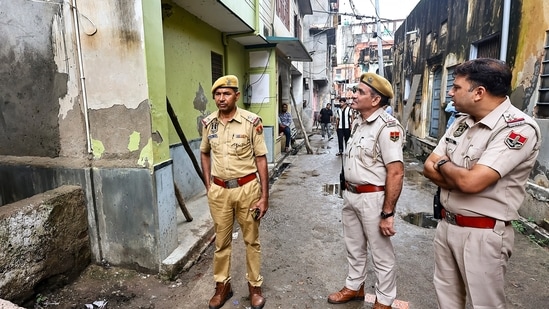
The immediate response from the Kota police has been decisive. A First Information Report (FIR) has been registered under relevant sections of the Indian Penal Code, including murder. Teams have been dispatched to various locations based on intelligence gathered during the initial phase of the investigation. The local community in Vigyan Nagar is gripped by a mix of shock and palpable fear. Parents are openly expressing concerns about the safety of their children, particularly given the pervasive influence of social media on young minds.
Local elder, Mrs. Sunita Devi, a resident of Vigyan Nagar for over three decades, voiced the community’s anguish. “This is not the Kota we know. Our children are spending too much time online, and these digital fights are now claiming lives on our streets. We need more than just police action; we need a community-wide conversation about responsible online behaviour,” she urged. Public discourse is now centered on the need for greater parental oversight, digital literacy programs for students, and proactive measures from law enforcement to monitor and address online threats before they materialize into offline violence.
Broader Implications and Key Takeaways
The tragic loss of Arjun Singh serves as a grim warning about the escalating challenges posed by the intersection of youth, social media, and unchecked aggression. For Omni 360 News, this incident highlights several critical takeaways:
1. The Perils of Digital Feuds: What begins as a petty online disagreement can quickly escalate beyond control, leading to severe, irreversible real-world outcomes. The perceived anonymity or distance of the internet often emboldens individuals, leading to aggressive behaviour they might not exhibit in face-to-face interactions.
2. Parental Vigilance is Paramount: In an age where digital natives spend significant portions of their day online, parents play an indispensable role. Understanding children’s online activities, fostering open communication, and setting clear boundaries are crucial to safeguarding them from digital dangers.
3. Digital Literacy and Empathy: Educational institutions and community groups must intensify efforts to teach digital literacy, emphasizing critical thinking, responsible content creation, and the importance of online empathy. Understanding the real-world impact of digital actions is vital for young people.
4. Law Enforcement’s Evolving Role: Police forces are increasingly confronted with crimes that originate or are significantly influenced by online interactions. Equipping law enforcement with advanced digital forensic capabilities and training to understand online subcultures is essential for effective crime prevention and resolution.
The incident in Kota is more than just a crime statistic; it is a profound societal alarm. As the investigation continues and the perpetrators are brought to justice, the larger task remains: to understand and mitigate the complex interplay between our digital lives and our physical safety. The memory of Arjun Singh should galvanize a collective commitment to creating safer environments, both online and offline, for the next generation.