Rajya Sabha: BJP lawmaker alleges OBC quota misuse; prompts Opposition walkout| India News
OBC Quota Allocation Claims by K Laxman Examined Omni 360 News
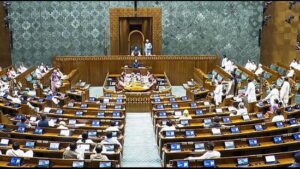
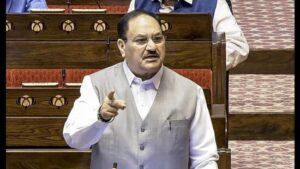
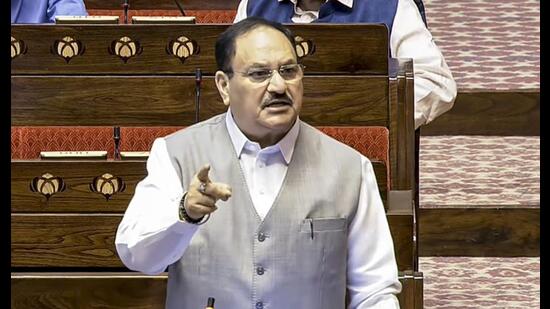
BJP lawmaker K Laxman recently made a significant claim in the Rajya Sabha, alleging that states like Telangana, West Bengal, Tamil Nadu, and Kerala have improperly included all Muslims within the quotas designated for Other Backward Classes (OBCs). This assertion sparked considerable debate and led to an opposition walkout, highlighting deep divisions over reservation policies. Omni 360 News delves into the specifics of these claims.
For a clearer understanding, OBC quotas are constitutionally mandated reservations designed to uplift socially and educationally backward classes. The intent is to ensure fair representation and reduce historical disparities. States identify specific communities—across various religions—that meet these backward criteria for inclusion in their respective OBC lists. This means a community must demonstrate it is truly disadvantaged in terms of social standing, education, and economic well-being to qualify for these benefits, not simply belong to a particular religion.
Investigations reveal a more nuanced picture than K Laxman’s broad assertion. In states like Telangana, a 4% reservation has been provided for backward classes among Muslim communities, not the entire Muslim population. This policy, targeting specific disadvantaged groups within the Muslim populace, has faced legal scrutiny, including a Supreme Court stay, yet it consistently focuses on identified segments, not all followers of Islam.
Similarly, West Bengal, Tamil Nadu, and Kerala have specific lists where certain Muslim castes or communities are identified as backward and are thus eligible for OBC benefits. These lists are typically formulated based on recommendations from state backward classes commissions, which assess socio-economic indicators. For instance, in Tamil Nadu, specific Muslim communities are recognized under the Most Backward Classes (MBC) or Backward Classes (BC) categories, alongside various Hindu, Christian, and Sikh communities. This approach is consistent across these states.
Crucially, these policies do not universally classify all Muslims as OBCs. Instead, they meticulously identify and list specific communities, irrespective of religion, that are deemed backward according to established criteria. This process aims to address genuine backwardness, aligning with the constitutional spirit of reservations to uplift the truly disadvantaged, rather than granting blanket religious quotas.
Key Takeaways
- K Laxman claimed certain states classify all Muslims as OBCs.
- State policies actually list specific backward Muslim communities, not all Muslims.
- Reservations are based on socio-economic backwardness criteria, not religion broadly, as determined by state commissions.