Ramayana makers turn down Rs 700 crore OTT offer, eyes on Rs 1,000 crore deal
Namit Malhotra’s Bold Vision For Ramayana Securing A Landmark OTT Deal Omni 360 News Analysis
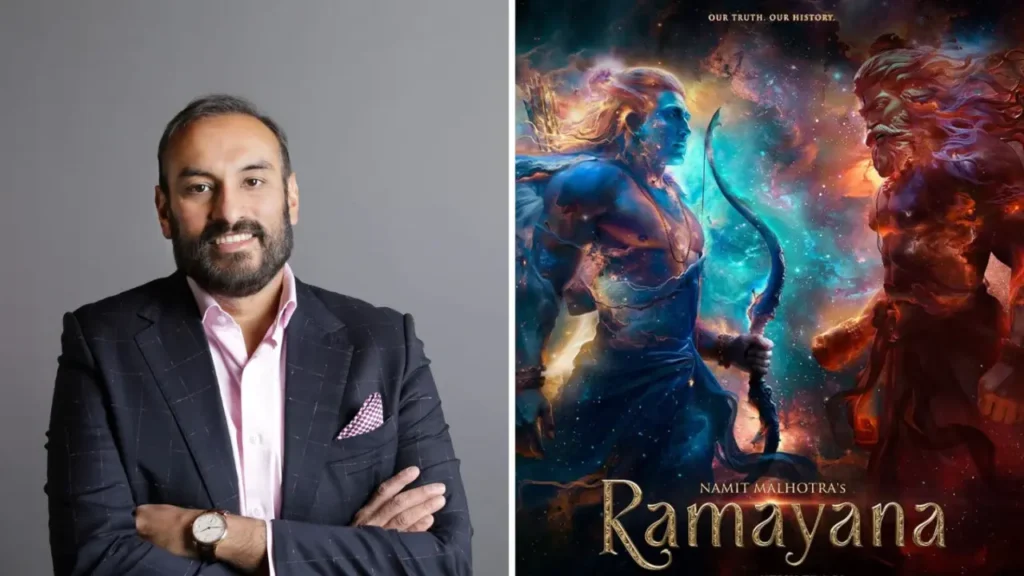
The corridors of the global entertainment industry are buzzing with news surrounding producer Namit Malhotra’s ambitious stance for his upcoming cinematic epic, Ramayana. Reports indicate a significant Rs 700 crore OTT deal offer was put on the table, only to be reportedly turned down by Malhotra, who is steadfastly aiming for a colossal Rs 1000 crore instead. This isn’t merely a negotiation tactic; it reflects a profound confidence in the project’s massive scale and unparalleled global appeal, pushing the boundaries for what a record-breaking deal might entail in the streaming era.
At Omni 360 News, our analysis delves into the strategy behind such a bold move and what it signifies for the future of large-scale Indian productions on the world stage.
Understanding The Financial Stakes
When an OTT deal of Rs 700 crore is reportedly considered insufficient, it immediately raises eyebrows and highlights the sheer magnitude of the *Ramayana* project. To put this in perspective for a 12th standard student, imagine building a highly anticipated, state-of-the-art theme park that everyone around the world wants to visit. The cost to build it is massive, but the potential number of visitors and the money they will spend makes it a very valuable asset. Streaming platforms, much like theme park owners, are willing to pay huge sums for content that promises to attract millions of subscribers globally.
Namit Malhotra, the visionary behind DNEG, a world-renowned visual effects company known for its Oscar-winning work on films like *Dune* and *Inception*, isn’t just a producer; he’s a technology and visual storytelling pioneer. His involvement signals an unwavering commitment to unparalleled production quality. The decision to hold out for an additional Rs 300 crore—a substantial sum by any measure—underscores the belief that *Ramayana* isn’t just another film; it’s a cultural phenomenon poised to transcend cinematic boundaries. This confidence isn’t born out of arrogance but from a deep understanding of the project’s intrinsic value and potential reach.
Behind The Massive Scale
The term “massive scale” for the Ramayana adaptation isn’t merely marketing jargon. It refers to several critical elements:
* Visual Effects Prowess: With Malhotra’s DNEG at the helm, the film is expected to feature groundbreaking visual effects, bringing the mythical world of Ayodhya, Lanka, and the epic battles to life with an authenticity and grandeur rarely seen. This requires immense financial investment in technology, skilled artists, and extensive post-production timelines.
* Star Power and Talent: A project of this magnitude naturally attracts top-tier actors, directors, and crew. Securing such talent commands significant remuneration, adding to the overall budget. These individuals don’t just act or direct; they bring credibility and draw a wider audience.
* Production Design and Scope: Recreating ancient civilizations, elaborate costumes, and intricate sets demands vast resources. This isn’t just about making things look good; it’s about building an entire believable world for the narrative.
All these elements combined lead to an astronomical production cost, which necessitates an equally substantial distribution deal to ensure profitability and set new industry benchmarks.
The Universal Language of Ramayana and Global Appeal
One of the strongest arguments for the heightened valuation lies in the inherent global appeal of the Ramayana epic itself. The story of Lord Rama’s journey, devotion, sacrifice, and the triumph of good over evil is not confined to one culture or region. It embodies universal themes of morality, duty, love, and righteousness that resonate across diverse audiences worldwide.
While deeply rooted in Indian mythology, the narrative structure, character arcs, and underlying philosophical tenets are accessible and compelling to viewers irrespective of their background. Think of how ancient Greek myths or Shakespearean plays find audiences globally; the Ramayana holds a similar potential for cross-cultural connection. A high-quality, visually stunning adaptation can introduce this timeless narrative to new generations and international viewers who might not be familiar with its traditional forms, much like how *The Lord of the Rings* captivated a global audience with its fantasy epic.
Streaming platforms are always on the hunt for “tentpole” content—big, recognizable stories that can attract and retain subscribers globally. The *Ramayana* fits this bill perfectly, offering not just a story but an experience that can appeal to billions.
The Competitive Streaming Landscape
The battle among Over-The-Top (OTT) streaming platforms for exclusive, high-value content is fiercer than ever. With numerous players vying for subscriber attention, owning unique and massively appealing titles is paramount. A record-breaking deal for *Ramayana* would not only give the acquiring platform an immense competitive edge but also serve as a powerful marketing tool to expand its subscriber base, particularly in the lucrative Indian market and among the global Indian diaspora, while simultaneously attracting broader international audiences.
The potential for merchandise, spin-offs, and long-term engagement makes a property like *Ramayana* an invaluable asset for any streaming giant. Malhotra’s negotiation strategy acknowledges this intense competition and the premium that platforms are willing to pay for content that can genuinely move the needle in terms of global viewership and subscription numbers.
Key Takeaways
* Namit Malhotra’s reported rejection of a Rs 700 crore OTT deal for *Ramayana* for a targeted Rs 1000 crore reflects high confidence in the project’s massive scale and global appeal.
* The ambition is fueled by DNEG’s visual effects prowess, significant talent investment, and extensive production design, demanding a record-breaking deal.
* The Ramayana epic’s universal themes position it as prime content for international audiences, attracting global streaming platforms seeking tentpole productions.
* This negotiation could redefine financial benchmarks for Indian cinematic productions on the global streaming stage, setting a new precedent for content valuation.
This move by Namit Malhotra is more than just a quest for a higher price; it’s a strategic assertion of Indian cinema’s growing influence and its capacity to produce content that stands shoulder-to-shoulder with the world’s biggest blockbusters. As Omni 360 News watches this unfold, it’s clear that *Ramayana* is poised to not only be a cinematic spectacle but also a pivotal moment in the economics of global entertainment. The eventual deal, whatever its final figure, will undoubtedly be a testament to the power of storytelling and vision in the digital age.