Raw meat sale likely to be banned in Haridwar ahead of Ardh Kumbh: Report| India News
Haridwar Weighs Raw Meat Ban for Enhanced Sanitation and Stray Dog Management Key Takeaways
The sacred city of Haridwar, a spiritual beacon drawing millions to its holy ghats, is grappling with a significant challenge: maintaining pristine sanitation and managing its growing stray dog population. In response, local authorities are exploring a contentious proposal – a potential ban on the sale of raw meat within the city limits. This initiative, currently under active consideration by the Haridwar Municipal Corporation and district administration, aims to elevate public health standards and create a more serene environment, particularly as the city gears up for the monumental Ardh Kumbh pilgrimage in 2027.
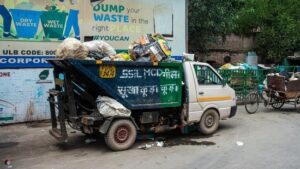
At the heart of this discussion, as reported by various local news outlets monitored by Omni 360 News, is the direct link between the availability of discarded raw meat and the proliferation of stray dogs. Unsold or leftover raw meat often finds its way into public spaces, serving as an abundant and easily accessible food source for these animals. This inadvertently contributes to their increasing numbers, making areas bustling with pilgrims and residents prone to sanitation issues. Piles of food waste attract not only dogs but also other scavengers, leading to unhygienic conditions that can pose public health risks. For a city like Haridwar, where spiritual purity and cleanliness are paramount, such challenges are a constant concern.
The presence of a large stray dog population, while a common urban issue, carries specific implications for Haridwar. Beyond the general nuisance, these animals can create safety concerns for pedestrians and pilgrims, sometimes leading to bites or aggressive encounters. Furthermore, their presence contributes to the spread of diseases if not properly managed through vaccination and sterilization programs. The proposed raw meat ban seeks to disrupt this cycle by reducing the primary food source that sustains and attracts these dogs to public areas. The logic is straightforward: less accessible food could lead to fewer dogs congregating in residential and commercial zones, naturally impacting their numbers over time and encouraging them to disperse from densely populated areas.
The looming Ardh Kumbh in 2027 serves as a powerful catalyst for these discussions. This sacred event, occurring every six years, draws an unprecedented influx of devotees from across India and the globe. Preparing for such a massive congregation demands meticulous planning for infrastructure, safety, and above all, sanitation. Authorities are under immense pressure to present Haridwar in its best light – clean, safe, and spiritually uplifting. Implementing measures like a raw meat ban, if successful, could significantly streamline waste management efforts and mitigate the public health risks associated with a large stray animal population during such a high-stakes event. It is a proactive step aimed at safeguarding the health and experience of millions of visitors.
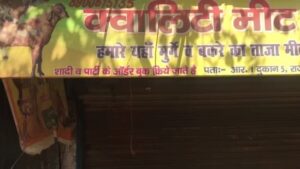
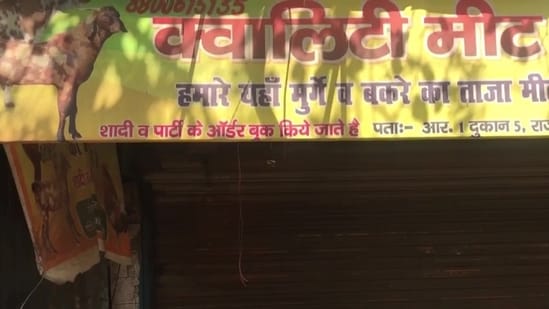
However, any such sweeping proposal inevitably faces a spectrum of opinions and practical hurdles. Local meat vendors and their families, whose livelihoods depend on these businesses, express understandable concerns about the economic impact of a potential ban. Many operate small, family-run establishments, and a sudden prohibition could leave them without an income source. They often advocate for alternative solutions, such as stricter waste disposal regulations, more effective municipal waste collection, and robust animal birth control (ABC) programs for stray dogs, rather than a measure that directly affects their trade.
Adding another layer to this complex issue are the prevailing religious sentiments within Haridwar. As a deeply revered pilgrimage site, the consumption and sale of non-vegetarian food products have long been a subject of debate among certain religious groups and local communities who advocate for the city to remain entirely vegetarian. This cultural and spiritual dimension often influences policy discussions, giving additional weight to proposals that align with a vegetarian ethos, even when the primary stated reasons are sanitation and animal control.
Animal welfare organizations, while acknowledging the need to manage stray dog populations, often emphasize humane and sustainable solutions. They typically advocate for comprehensive Animal Birth Control and Anti-Rabies Vaccination (ABC-ARV) programs, along with responsible pet ownership education, as the most effective long-term strategies. Reducing a food source without parallel sterilization efforts, they argue, might lead to other issues such as increased scavenging in dustbins, aggression due to hunger, or migration of dogs to other areas. These groups stress that addressing the root causes of overpopulation through humane interventions is crucial, rather than relying solely on indirect measures that could cause suffering.
Haridwar has seen previous attempts to regulate meat sales, often through designating specific zones or implementing stricter hygiene rules. However, consistent enforcement has proven challenging. The current proposal for an outright ban signals a more decisive approach, reflecting the urgency felt by authorities in preparing for Ardh Kumbh. The success of such a ban would depend heavily on its effective implementation, including careful planning for affected businesses and robust enforcement mechanisms.
Key Takeaways:
* Haridwar is considering a ban on raw meat sales to improve sanitation and manage stray dogs.
* The initiative is driven by concerns over public hygiene and safety, especially ahead of Ardh Kumbh 2027.
* Discarded raw meat is seen as a key factor attracting and sustaining the stray dog population.
* The proposal faces mixed reactions, with vendors concerned about livelihoods and animal welfare groups advocating for humane solutions.
* Religious sentiments in Haridwar also play a role in the ongoing discussions.
* Effective implementation and balancing stakeholder interests will be crucial for any final decision.
As Haridwar moves forward, the decision regarding the raw meat ban will undoubtedly require a careful balancing act, considering public health, economic impacts, religious sensitivities, and ethical animal management. Omni 360 News will continue to monitor developments as local authorities deliberate on this multifaceted issue, striving for a solution that ensures a clean, safe, and spiritually resonant experience for all who visit and reside in this historic city.