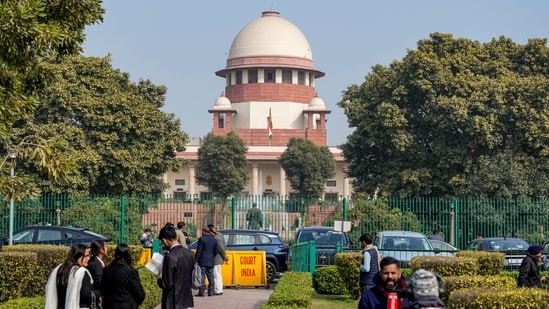
SC restores bank manager’s dismissal, says higher post means higher accountability| India News
Supreme Court Restores Bank Manager Dismissal Stressing Senior Accountability
New Delhi – The nation’s highest court has decisively overturned a Delhi High Court order, reinstating the dismissal of a UCO Bank manager accused of severe loan irregularities. This significant ruling, closely monitored by Omni 360 News, underscores the Supreme Court’s firm stance on accountability for individuals holding senior positions, particularly within the sensitive banking sector. The Apex Court’s decision re-establishes that a higher post carries a commensurately higher degree of trust and responsibility.
The case originated with a UCO Bank manager facing six serious charges, including sanctioning loans in stark violation of established norms and allegedly engaging with “unscrupulous elements.” Such actions, the bank argued, constituted a grave breach of trust and professional ethics. Following a departmental inquiry, the manager was dismissed from service, a standard disciplinary action for such severe misconduct.
However, the Delhi High Court intervened, deeming the punishment of dismissal disproportionate to the offense. The High Court modified the penalty, reducing it to compulsory retirement, essentially allowing the manager to exit service with certain benefits, albeit without full dismissal stigma. This modification sparked an appeal to the Supreme Court.
A bench comprising Justices BV Nagarathna and Augustine George Masih meticulously reviewed the matter. The Supreme Court emphasized that the nature of duties in the banking sector demands the highest degree of probity and diligence. A bank manager, by virtue of their position, is entrusted with public money and holds a fiduciary responsibility to safeguard it. The court noted that the irregularities were not merely procedural oversights but amounted to deliberate lapses and a clear failure to uphold the trust placed in a senior official.
The judgment clearly articulated that for those occupying higher echelons in any organization, especially financial institutions, the standard of conduct is elevated. Negligence or intentional misconduct at such levels can have far-reaching implications, impacting not only the financial health of the institution but also public confidence. The Supreme Court’s ruling highlighted that reducing the punishment in cases of severe financial misconduct by a senior official would dilute the very essence of accountability and set a dangerous precedent. It effectively affirmed that dismissal was the appropriate and justified consequence for the actions committed.
This landmark decision by the Apex Court sends a strong message across the banking and corporate sectors. It reinforces the principle that senior leadership roles demand unwavering integrity and adherence to protocol, with severe consequences for any deviation. It clarifies that judicial intervention in disciplinary matters, while important for proportionality, must respect the inherent need for strict accountability, especially when public trust is at stake. For Omni 360 News, this ruling signifies a reinforcement of ethical governance standards.
Key Takeaways:
* The Supreme Court restored the dismissal of a UCO Bank manager involved in loan irregularities.
* The ruling emphasizes a heightened standard of accountability for senior officials, particularly in the banking sector.
* Deliberate breaches of trust and procedural norms by managers warrant dismissal, not just compulsory retirement.
* The decision reinforces public confidence and ethical governance within financial institutions.