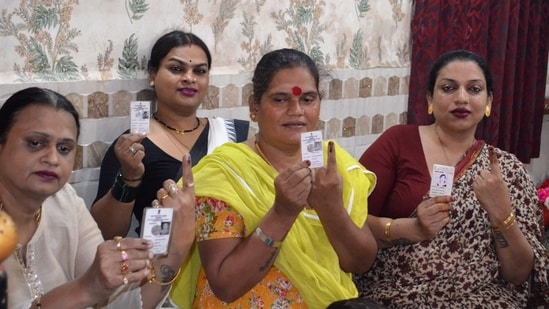
'Self-perceived' sexual identities not part of new transgender definition bill| India News
Understanding Identity Exclusions The Ripple Effect on Local Communities
In the ever-evolving landscape of societal definitions, a contentious statement has surfaced in various legislative and policy discussions that warrants careful examination. It asserts: “The definition ‘shall not include, nor shall ever have been so included, persons with different sexual orientations and self-perceived sexual identities.’” This precise wording, whether appearing in proposed bills, local ordinances, or organizational charters, carries profound implications for the fabric of our communities. As digital news journalists at Omni 360 News, we delve into what this statement truly signifies for everyday citizens and the broader social contract.
At its core, this declaration seeks to establish a clear boundary, explicitly excluding individuals based on two fundamental aspects of their being: their sexual orientation and their self-perceived sexual identity. For a 12th-grade student, this might sound like a complicated legal phrase, but its meaning is quite direct.
Think about definitions you use every day—like who qualifies as a “family member” for school events, or what defines “employee benefits” in a company policy. These definitions decide who gets included and who doesn’t. When a definition states “shall not include persons with different sexual orientations,” it means it is specifically blocking gay, lesbian, bisexual, and other non-heterosexual individuals from being recognized under that particular definition. For instance, if a local housing policy defines “spouse” with this exclusion, same-sex married couples might not be recognized for housing benefits, even if legally married elsewhere.
Similarly, “self-perceived sexual identities” refers to how individuals understand and express their own gender. This primarily speaks to transgender, non-binary, and gender non-conforming people. If a definition applies this exclusion, it means that someone whose gender identity differs from the sex they were assigned at birth would not be recognized as their affirmed gender within the scope of that definition. This could impact everything from restroom access to school sports participation or even how their name and pronouns are used in official documents.
The added phrase, “nor shall ever have been so included,” is particularly noteworthy. It attempts to not only block current and future inclusion but also to erase or invalidate any past interpretations or practices that might have included these groups. It’s an effort to roll back any progress towards inclusivity that might have been made or implied.
The Local Impact: Beyond Legal Jargon
While this statement might seem like abstract legal language, its real impact resonates deeply within local communities. Imagine a small town where the city council is debating whether to adopt this definition into a local non-discrimination ordinance, or perhaps into the bylaws of a publicly funded community center. The discussions quickly move from legal theory to personal stories.
Local news outlets often report on the heated debates at town hall meetings. Parents of LGBTQ+ youth might voice concerns about their children’s safety and sense of belonging in schools if such definitions are adopted. Small business owners could worry about the message it sends to potential employees or customers, impacting local economic diversity. Healthcare providers might speak to the mental health implications for individuals suddenly feeling marginalized or unprotected by local policies.
For instance, if a local hospital’s definition of “family” for visitation rights includes this exclusion, a long-term same-sex partner might be denied access to a patient during a critical time, simply because their relationship isn’t recognized under the exclusionary language. Or, if a municipal employment policy uses this definition, it could create a chilling effect, deterring qualified LGBTQ+ individuals from applying for local government jobs, fearing discrimination.
Community organizations, from local churches to civic groups, often find themselves on both sides of this debate. Some argue that such definitions uphold traditional values or specific religious beliefs, while others contend they are discriminatory and harmful, undermining the principles of equality and human dignity that many local charters aim to protect. Local activist groups often mobilize quickly, organizing rallies, educational campaigns, and voter registration drives to influence policy makers. This dynamic creates a visible ripple effect, fostering division but also sparking robust civic engagement.
A Broader Context for Omni 360 News Readers
This exclusionary language doesn’t appear in a vacuum. It often emerges as part of broader movements, both globally and locally, that seek to redefine societal norms around identity and inclusion. From local school board meetings discussing curriculum to state legislatures debating comprehensive anti-discrimination laws, the struggle over who is included in the definition of “person” or “citizen” remains a critical battleground.
Historically, legal definitions have often excluded marginalized groups—women, racial minorities, and religious minorities have all faced periods of exclusion from definitions of full personhood or citizenship. The current debate around sexual orientation and gender identity reflects a continuation of this historical pattern, challenging communities to decide whether to expand or contract the circle of who belongs and is protected.
Key Takeaways for Our Community
* Direct Exclusion: The language directly removes protections or recognition for individuals based on their sexual orientation and gender identity.
* Retrospective Impact: It attempts to nullify any past inclusion, creating uncertainty and potentially reversing established rights.
* Local Ramifications: Such definitions can dramatically affect daily life, influencing access to housing, employment, healthcare, and public spaces within a community.
* Divisive Debates: It often sparks intense debate, highlighting fundamental differences in community values regarding inclusion and individual rights.
* Call for Clarity: Understanding this specific language is crucial for citizens to engage effectively in local policy discussions and advocate for the kind of community they envision.
The conversation surrounding who is included in fundamental definitions is not merely academic. It directly shapes the lived experiences of individuals and the collective identity of a community. As journalists, we at Omni 360 News believe in shedding light on these critical discussions, empowering our readers to understand the nuances and participate thoughtfully in the ongoing dialogue that defines our shared future.