7 Killed, 5 Injured In Avalanche At Zojila Pass
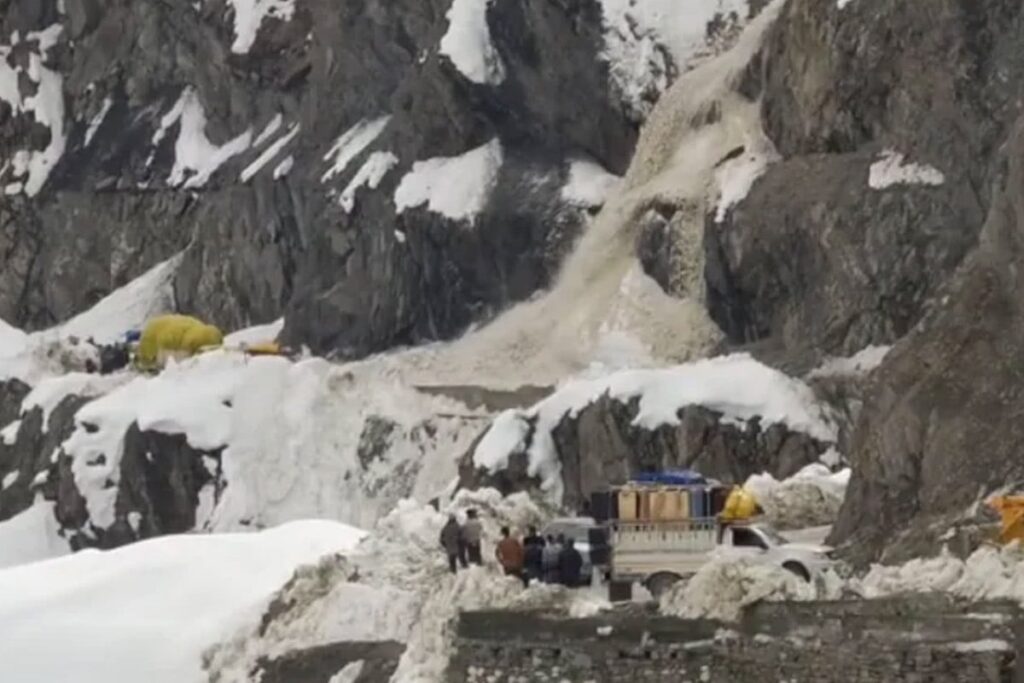
The treacherous Zojila Pass, a vital lifeline connecting the Kashmir Valley with Ladakh, has once again borne witness to nature’s formidable power. A recent devastating avalanche has swept through the region, claiming at least seven lives and leaving five individuals injured. The tragic incident has blanketed the strategic Srinagar-Leh National Highway in a thick layer of snow, trapping numerous vehicles and stranding many travelers amidst the unforgiving mountain terrain. This catastrophe underscores the inherent risks of travel through this high-altitude passage, particularly during the challenging winter months.
Zojila Pass A Critical Yet Challenging Gateway
For decades, Zojila Pass has been more than just a road; it is the primary arterial link that sustains life and economy in Ladakh. Situated at an elevation of approximately 11,575 feet (3,528 meters) above sea level, this pass is infamous for its narrow stretches, steep gradients, and perilous hairpin bends. Its strategic importance cannot be overstated, serving as the only road connectivity between the Union Territory of Ladakh and the rest of India for much of the year, especially when other routes remain frozen. The closure of Zojila, even temporarily, has immediate and significant repercussions, impacting the movement of essential supplies, military convoys, and civilian traffic.
Understanding the challenges of Zojila is crucial. For a 12th standard student, imagine a road so high and winding it often gets covered in snow taller than a house. It’s like the only door to a large part of the country, but this door is often blocked by giant snowdrifts and dangerous snow slides, known as avalanches. These natural occurrences are common during heavy snowfall, as accumulated snow on mountain slopes can suddenly give way, hurtling downwards with immense force, burying everything in its path.
The Avalanche Incident and Its Immediate Aftermath
The recent avalanche struck swiftly, leaving little time for warning. Details emerging from the ground indicate the immense scale of the snow accumulation, which has rendered sections of the highway impassable. The exact number of vehicles caught beneath the snow remains a pressing concern, as rescue teams work against time and harsh weather conditions. Many tourists, who might have been traveling for leisure or business, now find themselves stranded, facing uncertainty and the biting cold. Local residents, who often navigate these roads for daily necessities or to transport goods, are also severely affected.
The immediate aftermath has seen a swift response from various agencies. However, the sheer volume of snow and the treacherous conditions present formidable obstacles to rescue operations. The focus is not just on clearing the snow but on locating any individuals who might be trapped, injured, or worse. Every minute counts in such scenarios, where exposure to extreme cold can lead to severe health complications, including hypothermia.
Herculean Efforts in Rescue and Relief
Rescue operations are currently in full swing, demonstrating the remarkable coordination and resilience of multiple agencies. The Indian Army, known for its expertise in high-altitude rescues, is working tirelessly alongside the Border Roads Organisation (BRO), local police, and State Disaster Response Force (SDRF) teams. Their combined efforts involve deploying specialized snow-clearing machinery, including bulldozers and snow cutters, to carve pathways through the deep snow. Manual labor, though arduous, is also crucial for precise search and rescue efforts, especially in areas where machinery cannot operate safely.
These brave individuals face immense personal risks. Operating in sub-zero temperatures, with the constant threat of further avalanches or landslides, demands extraordinary courage and skill. Their primary objective is twofold: to evacuate the stranded and injured, and to clear the highway to restore connectivity. Medical teams are also on standby, providing immediate aid to the injured and ensuring the well-being of those rescued.
Impact on Local Life and Broader Connectivity
The closure of the Srinagar-Leh highway due to the Zojila avalanche has a cascading effect beyond the immediate tragedy. Ladakh, being a high-altitude desert region, relies heavily on this road for the transportation of essential supplies, including food, fuel, and medicines, especially before it closes for winter. Any prolonged disruption can lead to shortages, price hikes, and immense hardship for the local populace. For tourists, who contribute significantly to Ladakh’s economy, being stranded not only disrupts their plans but can also create logistical nightmares for tour operators.
This incident also highlights the vulnerability of the region to natural disasters. While avalanches are a known risk, their destructive power always comes as a stark reminder of humanity’s relative helplessness against nature’s fury. Communities living in and around Zojila have developed a certain resilience over generations, yet each such event tests their fortitude.
The Road Ahead and Long-Term Solutions
While immediate efforts focus on clearing the current blockage and ensuring safety, the recurring nature of such incidents at Zojila Pass invariably brings the discussion back to long-term solutions. The ongoing construction of the Zojila Tunnel, an ambitious engineering marvel, aims to provide all-weather connectivity, bypassing the most treacherous sections of the pass. Once completed, this tunnel promises to significantly reduce travel time, enhance safety, and fundamentally change the dynamics of connectivity for Ladakh, making such closures a thing of the past.
However, until such mega-projects are fully operational, the reliance on the existing challenging road remains. Therefore, continuous monitoring of weather patterns, advanced warning systems, and robust rescue infrastructure are paramount to mitigate risks and respond effectively to future natural calamities. It’s a testament to human determination that despite such challenges, the spirit of connectivity and resilience prevails.
Omni 360 News will continue to provide updates on this evolving situation, bringing you the most accurate and timely information as rescue efforts progress and the full scope of the incident becomes clear. Our commitment remains to deliver detailed and verified reports, especially in an era rife with misinformation.
Key Takeaways
- A recent avalanche at Zojila Pass has tragically claimed seven lives and injured five.
- The Srinagar-Leh National Highway is completely blocked, trapping vehicles and stranding numerous travelers.
- Zojila Pass is a crucial, high-altitude link to Ladakh, known for its challenging terrain and severe winter conditions.
- Indian Army, BRO, local police, and SDRF teams are conducting intensive rescue and snow-clearing operations.
- The incident severely impacts essential supplies and tourism in Ladakh, highlighting the region’s vulnerability.
- Long-term solutions, like the Zojila Tunnel, are under construction to provide all-weather connectivity and prevent future disruptions.