Shabir Ahmed Lone, Lashkar-e-Taiba terrorist from Jammu and Kashmir, arrested by Delhi Police| India News
Delhi Police Apprehend LeT Suspect Behind Janpath Metro Propaganda
The streets of India’s capital remain vigilant as law enforcement agencies diligently work to counter subversive elements. A significant development recently emerged with the arrest of Shabir Ahmed Lone, an individual allegedly linked to the Lashkar-e-Taiba (LeT) terror group. Lone’s apprehension comes over a month after a disconcerting incident at Janpath Metro Station in February, where pro-Pakistan and pro-terror posters were brazenly displayed. This incident, while seemingly minor to some, highlighted a persistent threat of propaganda and radicalization, particularly within bustling urban centers.
The tranquil routine of commuters at Janpath Metro Station was briefly disturbed in February when several posters carrying pro-Pakistan and pro-terror messages were discovered pasted in public areas. These insidious flyers were not merely political statements; they were clear attempts to sow discord and promote a dangerous extremist ideology. Such acts, though lacking direct violence, are considered crucial first steps in larger terror plots, often aiming to gauge public reaction, spread fear, and recruit vulnerable individuals. For seasoned observers of national security, like those at Omni 360 News, these incidents serve as stark reminders of the continuous efforts required to maintain peace and order.
The Delhi Police Special Cell immediately launched a comprehensive investigation into the matter. Their work began with meticulously sifting through CCTV footage, questioning witnesses, and analyzing the content of the posters themselves. The initial findings pointed towards a deliberate and coordinated effort, rather than a spontaneous act. Investigators understood that identifying the individuals responsible was paramount, not just to make an arrest, but to unearth the network behind such propaganda.
Over several weeks, the Special Cell, known for its expertise in counter-terrorism operations, followed various leads. Their painstaking efforts culminated in the arrest of Shabir Ahmed Lone. Lone hails from Kupwara, a district in Jammu and Kashmir, and is alleged to have direct ties to the Lashkar-e-Taiba, a proscribed terrorist organization. His arrest underscores the long reach of such groups and their attempts to operate beyond traditional conflict zones, extending their influence into metropolitan hubs like Delhi.
The investigation revealed that Lone was not merely an unwitting participant but was allegedly involved in the larger conspiracy to paste these provocative materials. The posters, it is understood, were designed to incite and destabilize, referencing ‘Jihadi’ elements and specific locations, clearly aiming to spread a pro-terror narrative. This method of using public spaces for propaganda is a classic tactic employed by extremist groups to test security apparatuses and to project an image of omnipresence.
Understanding the gravity of such actions, especially in a sensitive location like a metro station that serves thousands daily, is crucial. It is not just about the message on the paper, but the intent behind it. The underlying purpose is often to radicalize, recruit, or provoke communal disharmony. For a 12th-grade student trying to grasp the situation, imagine someone trying to spread harmful ideas in your school hallway—it might seem small, but if it’s part of a bigger plan by a dangerous group, it becomes a serious matter that security needs to address swiftly. The police’s job here is to stop those ideas from taking root and to catch the people behind them before they can cause bigger problems.
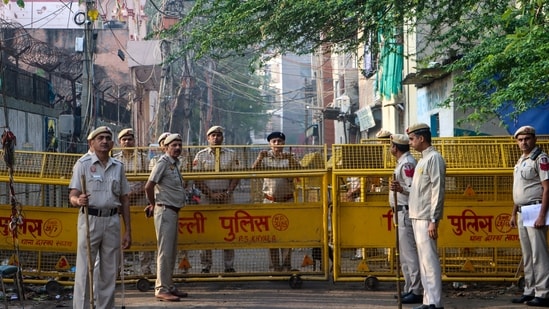
The arrest of Shabir Ahmed Lone by the Delhi Police Special Cell sends a clear message that such attempts to undermine national security will not go unnoticed or unpunished. It highlights the sustained vigilance of law enforcement agencies and their commitment to thwarting terror propaganda. This incident also serves as a reminder to the public about the importance of reporting suspicious activities and remaining aware of their surroundings, becoming an additional layer of security in the collective fight against radicalization.
The ongoing investigation is expected to shed more light on the full scope of the conspiracy, including any potential collaborators or further links to the Lashkar-e-Taiba’s broader operations. Delhi, as the national capital, often remains a target for such elements, making robust intelligence gathering and swift action indispensable. The success in identifying and apprehending Lone demonstrates the effective coordination and unwavering dedication of India’s security forces in safeguarding its citizens and maintaining the integrity of its public spaces. The incident at Janpath Metro, now linked to an alleged LeT operative, emphasizes that the battle against extremism is fought on multiple fronts, including the subtle war of narratives and propaganda.
Key Takeaways:
* Shabir Ahmed Lone, an alleged Lashkar-e-Taiba operative, has been arrested by the Delhi Police Special Cell.
* His arrest is linked to pro-Pakistan and pro-terror posters found at Janpath Metro Station in February.
* The incident highlights the ongoing threat of terror propaganda and the efforts by extremist groups to use public spaces for their agenda.
* The Delhi Police’s diligent investigation underscores the importance of intelligence work and sustained vigilance in urban security.
* This case reinforces the continuous challenges faced by law enforcement in countering radicalization and subversive activities, a focus for Omni 360 News.