ATM to Soon Dispense ₹10, ₹20 and ₹50 Notes
People across India, including major cities like Kolkata, are facing a serious shortage of small currency notes. Notes of ₹10, ₹20 and ₹50 have become difficult to find in daily life. This problem is being felt everywhere, from small roadside shops to public transport, hospitals, and local markets.
For common people, the lack of small notes has turned into a daily headache. Customers often struggle to get proper change while buying basic items like tea, snacks, vegetables, bus tickets, or medicine. Many shopkeepers and drivers complain that they lose customers simply because they cannot return change. In some cases, people are forced to buy extra items or adjust payments because exact change is not available.
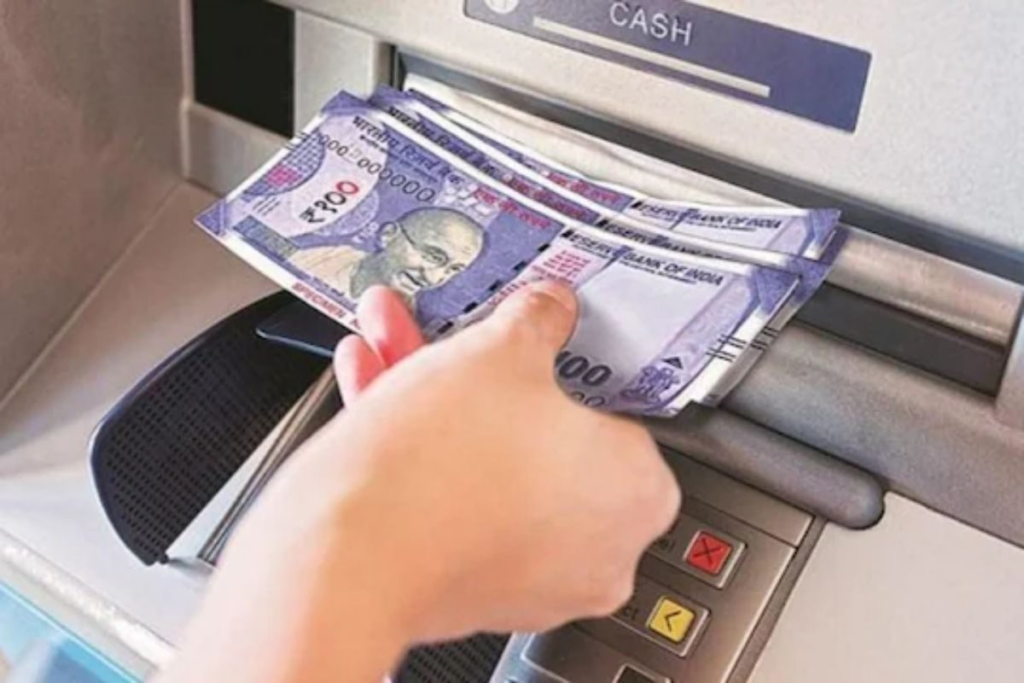
At present, most ATMs in India mainly dispense ₹100, ₹200 or ₹500 notes. While these notes are useful for larger transactions, they do not solve the problem of small change. People withdraw cash from ATMs but still face difficulty in breaking larger notes into smaller denominations. As a result, the shortage of small notes continues to affect daily cash transactions.
To address this long-standing issue, the Central Government is now planning a new solution. The government is working on introducing what are being called hybrid ATMs. These advanced ATMs will allow people to directly withdraw small denomination notes such as ₹10, ₹20 and ₹50.
According to sources, these hybrid ATMs will not only dispense small notes but will also provide a facility to exchange larger notes for smaller ones. For example, if a person has a ₹500 note, the ATM will be able to convert it into smaller denominations like ₹50 or ₹20 notes. This feature is expected to be especially helpful for shopkeepers, auto drivers, delivery workers, and people who deal with cash on a daily basis.
In the first phase, these hybrid ATMs are likely to be installed in high-footfall areas. These include commercial zones, busy markets, hospitals, transport hubs, and other public places where cash usage is still very high. The aim is to ensure that people who urgently need small notes can access them easily.
Mumbai has already been chosen for the pilot project of this initiative. The trial has started on a limited scale to test how effective and practical the system is. Officials are closely monitoring how these ATMs function, how frequently people use them, and whether they can maintain a steady supply of small denomination notes.
If the pilot project in Mumbai proves successful, the government plans to gradually expand this system to other parts of the country. Cities like Kolkata, Delhi, Chennai, Bengaluru and other major urban centres may be included in the next phase. Eventually, the plan is to make these hybrid ATMs available nationwide.
Even though digital payments and UPI transactions have grown rapidly in India, cash continues to play an important role in everyday life. Many small vendors, elderly citizens, rural populations, and informal workers still depend heavily on cash transactions. Internet connectivity issues, phone limitations, and personal preference also mean that digital payments cannot fully replace cash.
Because of this reality, ensuring an adequate supply of small currency notes remains essential. Experts believe that hybrid ATMs could significantly reduce the stress caused by the shortage of change. However, questions remain about long-term supply management, maintenance, and smooth implementation.
The success of this initiative will depend on how well banks and authorities manage the availability of small notes inside these machines. Regular refilling, security, and public awareness will also play a key role. If implemented properly, these ATMs could make daily cash transactions easier and more efficient for millions of people.
For now, citizens are watching closely to see whether this plan can finally solve the long-standing problem of small note shortages. If successful, it could bring much-needed relief to both customers and businesses across the country.