play
Sudan’s Forgotten: Families Suffer, Aid Just Isn’t Enough
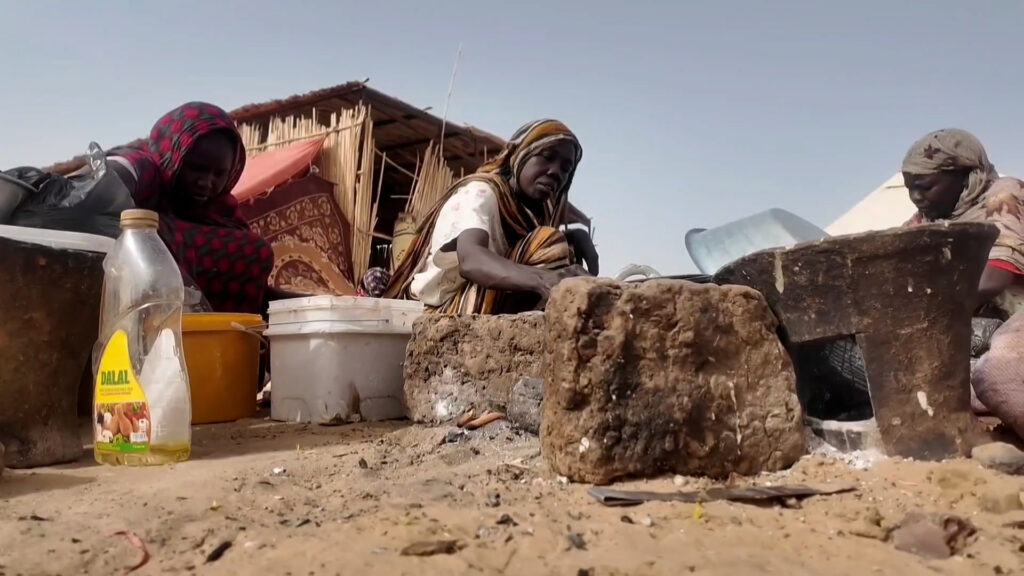
Imagine waking up, not knowing where your next meal comes from. You’ve fled your home, everything you knew shattered. This isn’t a hypothetical for millions. It’s the brutal daily reality for displaced families across Sudan right now. Their struggle is profound, a desperate plea echoing through dusty camps and temporary shelters. Their basic needs? Unmet.
The situation is dire. Years of conflict, instability, and recent intensified fighting have pushed Sudan past its breaking point. Millions have been forced from their homes; they’ve lost livelihoods, security, and hope. What’s truly heartbreaking is that the international aid response, despite best intentions, just isn’t reaching them. Food, clean water, medical supplies, even basic shelter – these aren’t luxuries, they’re essentials, and they’re simply not arriving in the quantities needed. Children are starving. Illnesses spread quickly. It’s a preventable humanitarian catastrophe unfolding before our eyes, and we’re not doing enough.
Are we truly blind to Sudan’s suffering?
Displaced Sudanese families face critical shortages of life-saving aid—food, water, and shelter—due to ongoing conflict and insufficient international funding. Millions have fled their homes, leaving them vulnerable to starvation and disease. The global response has fallen drastically short, creating a dire humanitarian crisis.
What’s actually happening here is simple: a complex mix of global apathy and logistical nightmares. Donors are stretched thin, or perhaps, their attention is elsewhere. Geopolitical complexities make getting aid into affected areas a Herculean task. Roads are dangerous. Bureaucracy stifles swift action. But these aren’t excuses for inaction; they’re challenges we must overcome. This isn’t just about numbers on a report; it’s about human beings, about children who deserve a chance, about parents clinging to slivers of hope. The world needs to step up. We can’t afford to let Sudan become another footnote in history, another ‘too hard’ problem left to fester. The cost of doing nothing is far too high.