Supreme Court quashes FIR against YouTuber Elvish Yadav in snake venom case| India News
Omni 360 News
Supreme Court Halts Proceedings Against Elvish Yadav Citing Evidence Gaps
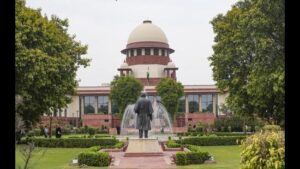
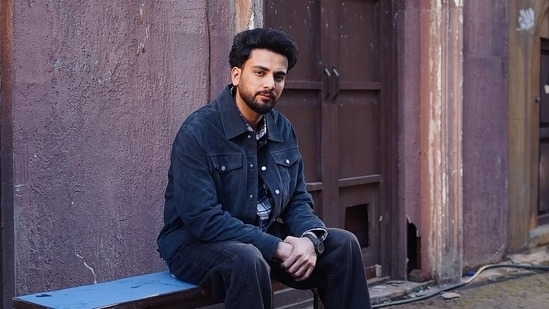
A significant development in the ongoing legal scrutiny surrounding prominent YouTuber Elvish Yadav has emerged from the nation’s highest judicial body. The Supreme Court of India has moved to quash the First Information Report (FIR) registered against Yadav, which centered on allegations of snake venom use and involvement in drug-related activities. This decision by the apex court underlines a critical aspect of legal procedure: the necessity of concrete evidence and legally sufficient grounds to sustain formal charges.
The ruling, which brings a substantial measure of relief to the digital content creator, was predicated on what the Supreme Court deemed “legal insufficiencies” within the initial allegations. For the public, especially younger audiences who follow such personalities, understanding this decision is crucial. It essentially means that while allegations were made, the evidence presented in the FIR against Elvish Yadav personally did not meet the required legal threshold for the case to proceed further through the courts.
Background to the Allegations
The controversy first surfaced in late 2023, drawing widespread media attention. Reports from local Uttar Pradesh news outlets initially detailed an investigation stemming from a complaint lodged by People for Animals (PFA), an animal welfare organization. The complaint alleged the illicit use of snake venom at a rave party in Noida, Uttar Pradesh, and implicated several individuals, including Yadav. The PFA’s involvement brought an ethical dimension to the accusations, highlighting concerns about wildlife protection and illegal animal product trade.
Following these allegations, an FIR was lodged under various sections of the Indian Penal Code and the Wildlife (Protection) Act, 1972. The core of the accusation against Yadav was his alleged role in arranging snake venom for recreational purposes. Subsequently, local law enforcement commenced investigations, leading to arrests and the collection of samples. The case quickly became a talking point, given Yadav’s large online following and the sensational nature of the charges.
The Path to the Supreme Court
As with many legal battles, the case progressed through different judicial levels. After the initial FIR, Elvish Yadav sought relief from the Allahabad High Court, aiming to have the charges against him set aside. However, the High Court declined to quash the FIR, which then prompted Yadav’s legal team to escalate the matter to the Supreme Court.
Before the Supreme Court, Yadav’s legal representatives meticulously argued that the allegations, particularly those directly linking him to the procurement or use of snake venom, lacked substantial evidence. They contended that the FIR did not present a clear, direct, and provable connection between their client and the specific criminal acts alleged, especially concerning drug involvement or the illegal supply of snake venom. The focus of their argument was on the *legal insufficiency* of the material presented in the FIR to establish a prima facie case against Yadav. In simpler terms, they argued there wasn’t enough solid information in the initial police report to show that he definitely committed the crimes he was accused of.
Understanding “Legal Insufficiencies”
For a student in 12th standard, “legal insufficiencies” can be understood as gaps or weaknesses in the evidence or statements presented in a formal complaint (like an FIR) that prevent a court from confidently proceeding with a trial against an accused person. Imagine drawing a picture with missing lines or colors; a judge needs a complete enough picture to decide if there’s truly a crime and if a specific person is genuinely implicated.
In this context, the Supreme Court likely found that:
1. Lack of Direct Evidence: There wasn’t enough direct proof squarely linking Elvish Yadav to the act of possessing, supplying, or using snake venom for illegal purposes.
2. Vague Allegations: The allegations against him personally might have been too general or based on hearsay rather than concrete, verifiable facts.
3. No Prima Facie Case: A “prima facie” case means there’s enough initial evidence to suggest a crime *might* have been committed by the accused. If this isn’t met, the court can stop the proceedings. The Supreme Court found that against Yadav, this initial hurdle was not cleared.
It’s important to clarify that quashing an FIR does not necessarily mean the allegations were entirely false or that other individuals involved in the broader investigation are absolved. Rather, it specifically means that for *Elvish Yadav*, based on the information provided in the FIR, the legal grounds to continue the formal criminal proceedings were found to be inadequate by the Supreme Court. The court’s role is to ensure that due process is followed and that individuals are not subjected to prolonged legal battles without a robust foundational basis.
Implications of the Ruling
The Supreme Court’s decision to quash the FIR is a significant legal victory for Elvish Yadav. It effectively brings an end to the criminal proceedings initiated against him based on this specific FIR. This doesn’t, however, preclude future investigations if new, substantial evidence were to emerge linking him to new or related criminal acts. But for now, the legal cloud emanating from the initial complaint has been dispersed for the YouTuber.
This ruling also sends a broader message about the importance of thorough investigation and the high standards of proof required in criminal justice. It reinforces the principle that while public outcry or media attention might be intense, the legal system operates on evidence, not perception. Local law enforcement agencies and complainants are reminded that FIRs must be backed by credible, actionable information to withstand judicial scrutiny at the highest levels.
Key Takeaways:
* The Supreme Court quashed the FIR against YouTuber Elvish Yadav.
* The decision was based on “legal insufficiencies” in the allegations of snake venom use and drug involvement.
* This means the initial evidence against Yadav personally did not meet the legal threshold for the case to proceed.
* The ruling does not comment on the general veracity of the allegations but specifically on their legal foundation against Yadav.
* It highlights the importance of concrete evidence and thorough investigation in India’s legal system.
* The decision provides significant relief to Elvish Yadav from this specific set of criminal proceedings.
This development, reported by Omni 360 News, underscores the intricate balance between public interest, legal procedure, and individual rights in the Indian justice system.