‘Targeting of commercial shipping unacceptable’: India's message amid Strait of Hormuz blockade, Iran-US war| India News
India’s Firm Stance on Hormuz Safety A Critical Maritime Overview
Concerns about the Strait of Hormuz continue to echo across global shipping lanes, and India has voiced its clear position, emphasizing unwavering commitment to freedom of navigation and the paramount safety of all seafarers. This crucial waterway, a nerve center for international trade, has seen periods of heightened tension, prompting New Delhi to underscore the necessity of unimpeded passage for maritime commerce.
Understanding the Strait’s Vital Role
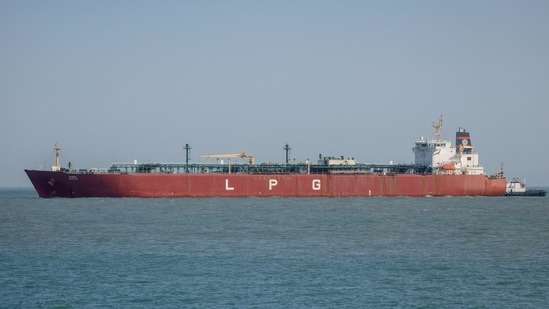
Imagine a narrow gateway through which a significant portion of the world’s essential resources must pass. That’s the Strait of Hormuz, connecting the oil-rich Persian Gulf to the open waters of the Arabian Sea and beyond. It’s an essential maritime chokepoint, meaning it’s a constricted area that is critical for global shipping. Approximately one-fifth of the world’s liquid natural gas and almost a third of all seaborne traded oil traverses this vital passage annually. For a rapidly developing nation like India, heavily reliant on energy imports, particularly crude oil from Gulf nations, any disruption here directly impacts national energy security and economic stability.
For countless Indian seafarers, who form a substantial part of the global maritime workforce, the Strait of Hormuz is a regular route. Their livelihoods, and the ability of goods to reach Indian ports—from Kandla to Kochi, Mumbai to Chennai—depend entirely on the safety and reliability of this pathway. Local businesses involved in shipping, import, and export, particularly those dealing with petrochemicals or goods destined for Gulf markets, feel the immediate ripple effect of any uncertainty in the region.
India’s Consistent Call for Open Seas
India’s foreign policy has consistently championed the principle of freedom of navigation, a cornerstone of international law that allows ships to move freely on the high seas without interference. This isn’t just a theoretical stance; it’s rooted in India’s own strategic and economic interests as a major maritime trading nation. When disruptions or perceived blockades emerge along routes like the Strait of Hormuz, whether due to regional disputes, piracy threats, or military posturing, India raises its voice. The concern isn’t just about a physical stoppage but also about the cumulative impact of increased risk, insurance premiums soaring, and delays that can cripple supply chains.
New Delhi’s pronouncements reflect a deep understanding of these vulnerabilities. The nation actively participates in international forums and engages bilaterally with regional partners to foster stability. The aim is to ensure that the vital arteries of global trade remain open, predictable, and safe for all, especially for the thousands of Indian sailors who brave these waters daily.
Safeguarding Indian Interests and Personnel
Beyond diplomatic statements, India also takes proactive measures to safeguard its maritime interests and its citizens. The Indian Navy often maintains a presence in the region, conducting anti-piracy operations and providing security to Indian-flagged vessels. Initiatives like “Operation Sankalp” demonstrate India’s resolve to protect its commercial shipping in these sensitive areas. These deployments are critical not only for protecting cargo but, more importantly, for reassuring the families of Indian seafarers back home that their loved ones are operating in a secured environment.
For port cities along India’s extensive coastline, from the bustling docks of Gujarat to the strategic hubs of the south, the stability of these trade routes is directly linked to local prosperity. Any prolonged instability could translate into higher consumer prices, supply shortages, and reduced economic activity for countless small and medium enterprises that rely on international trade.
Key Takeaways:
* The Strait of Hormuz is a critical global chokepoint for energy and trade.
* India’s economy and energy security are heavily reliant on unimpeded passage through this Strait.
* India firmly advocates for freedom of navigation and seafarer safety in line with international law.
* Regional tensions and disruptions in the Strait directly impact Indian trade, energy, and the livelihoods of its seafarers.
* New Delhi takes active diplomatic and naval steps to ensure the safety of its maritime interests and personnel in the region.
The ongoing vigilance regarding the Strait of Hormuz underscores India’s significant stake in global maritime stability, a stance consistently highlighted by Omni 360 News.