The not-so-hidden cost of a faraway war| India News
Mumbai’s Culinary Scene Adjusts to Surging LPG Costs Amid Global Unrest
Mumbai, a city celebrated for its relentless energy and diverse culinary landscape, is currently navigating a significant economic squeeze. Local eateries, from bustling street food vendors to established family-run restaurants, are feeling the tangible ripple effects of distant geopolitical tensions. A sharp escalation in Liquefied Petroleum Gas (LPG) prices, exacerbated by the ongoing crisis in West Asia, is forcing these essential small businesses to make difficult choices that directly impact menus, prices, and even portion sizes.
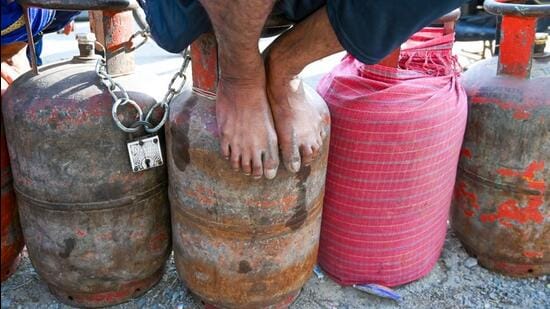
The connection between international instability and a local plate of *pav bhaji* might seem remote, but for those in the food industry, it’s a stark reality. The turmoil in West Asia, a critical region for global oil production, often triggers disruptions in supply chains and creates uncertainty in energy markets. This instability drives up the price of crude oil, a foundational component from which LPG is derived. When crude oil becomes more expensive, the cost of commercial LPG cylinders—the lifeblood of countless Mumbai kitchens—inevitably follows suit.
Recent reports from local economic monitors indicate that commercial LPG cylinder prices have seen substantial increases over the past year, with fresh surges adding to the burden. For a small eatery, where LPG costs represent a significant operational overhead, these increases translate directly into higher expenses that cannot simply be absorbed.
The Hard Choices Facing Mumbai’s Kitchens
The immediate fallout is visible across Mumbai’s vibrant food sector. Restaurateurs and stall owners are confronted with a challenging dilemma: how to remain profitable and sustainable without alienating their loyal customer base.
One common strategy being adopted is menu rationalisation. Eateries are carefully reviewing their offerings, opting to reduce the number of dishes that require prolonged cooking times or multiple LPG burners. This could mean fewer elaborate curries, certain fried items, or slow-cooked specialties. The aim is to simplify kitchen operations, conserve fuel, and streamline ingredient procurement. A local *dhaba* owner, for instance, might decide to temporarily remove a popular but fuel-intensive *dal makhani* in favour of faster-cooking alternatives.
Another unavoidable step for many is price adjustment. While businesses strive to keep their offerings affordable, the persistent rise in input costs leaves little room for manoeuvre. Customers might notice a slight uptick in the prices of their favourite dishes. These aren’t arbitrary hikes but rather a direct reflection of increased operational expenses, from fuel to ingredients and labour. The goal is survival, ensuring the business can continue to serve the community.
A less overt, yet prevalent, adaptation is the subtle reduction in portion sizes. To avoid direct price increases that might deter customers, some establishments choose to maintain existing prices while slightly adjusting the quantity of food served. This allows them to partially offset higher costs without immediately impacting the perceived value for the consumer, though observant diners might eventually notice the change.
Beyond the Plate: A Broader Economic Ripple
The repercussions of surging LPG prices extend beyond just what’s served on a plate. Small businesses across various sectors, which rely on LPG for processes like industrial heating, water heating, or specific manufacturing steps, also face escalating energy bills. This widespread pressure on operating costs can stifle growth, delay investments, and even impact employment within these local enterprises. The interconnected nature of the economy means that a strain on one sector quickly transmits to others.
For the average Mumbaikar, these changes mean more than just a slight alteration to their dining habits. It serves as a potent reminder of how truly global our local economy is. The cost of their morning tea, their lunchtime snack, or their evening meal is now, more than ever, intertwined with events unfolding thousands of miles away. It underscores the fragility of supply chains and the immediate human impact of geopolitical shifts.
Omni 360 News continuously monitors these intricate connections, striving to bring clarity to how global developments translate into local realities. The current situation in Mumbai’s bustling eateries is a prime example of this complex interplay.
Key Takeaways:
* Global events have local impact: Crises in regions like West Asia directly influence daily living costs and business operations in Mumbai.
* Small businesses are vulnerable: Local eateries and other small enterprises are often the first to feel the financial strain of supply chain disruptions and rising commodity prices.
* Consumer experience shifts: Diners may encounter revised menus, higher prices, or subtly reduced portions as businesses adapt to new economic realities.
* Economic resilience tested: The ongoing LPG price surge tests the adaptability and resilience of Mumbai’s entrepreneurial spirit and its vibrant culinary tradition.
As Mumbai’s food sector, known for its innovation and tenacity, navigates this period of heightened costs, its ongoing adjustments offer a valuable barometer for the wider economic climate. The story of every small eatery making careful choices speaks volumes about the delicate balance between international stability and domestic well-being.