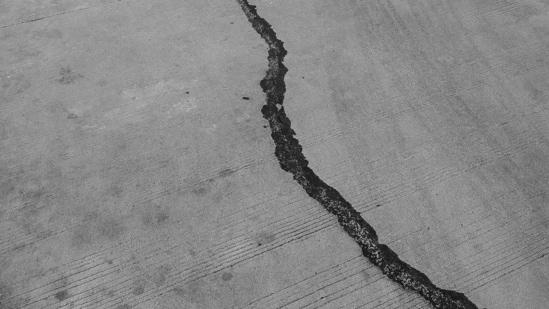
Tremors felt in Delhi, parts of North India as earthquake jolts Afghanistan| India News
Afghanistan Earthquake Sends Tremors Across Delhi North India Residents Experience Jolt
A powerful seismic event originating deep within Afghanistan recently sent significant tremors across large swathes of northern India, reaching as far as Delhi and its surrounding National Capital Region. The sudden jolt, occurring in the late hours, prompted widespread panic, as residents evacuated homes and offices, seeking safety outdoors. This incident underscores the interconnectedness of our planet’s geological forces and the need for constant vigilance against natural phenomena.
According to reports verified by Omni 360 News through various regional meteorological departments and local news outlets, the earthquake registered a substantial magnitude of 6.2 on the Richter scale. The epicenter was pinpointed deep in the remote Hindu Kush region of Afghanistan, a mountainous area well-known for its seismic activity. What made the tremors so widely felt across India was the earthquake’s considerable depth, estimated at around 220 kilometers below the Earth’s surface.
To understand why a deep earthquake far away can cause such a stir, imagine dropping a stone into a pond. If you drop it close to the surface, the ripples are strong but localized. If you drop it from a great height, the impact is less intense at the point of entry but the widespread disturbance creates waves that travel much further. Similarly, a deeper earthquake often disperses its energy more widely, sending vibrations through stable rock formations over vast distances before they reach the surface.
The tremors were felt acutely across Delhi, the National Capital Region, and stretched into Punjab, Haryana, Uttar Pradesh, and Rajasthan. Eyewitness accounts from different localities consistently described swaying buildings, rattling windows, and objects falling from shelves. The immediate response was a rush to open spaces, a natural human instinct when faced with the unpredictable power of an earthquake. Residents, many awakened from sleep, gathered in streets and parks, checking on family and neighbors, while the initial shock gave way to a collective sigh of relief as the shaking subsided without immediate reports of major structural damage or casualties in India.
This recent event serves as a stark reminder of the geological reality of our region. The Indian subcontinent is constantly moving northwards, colliding with the Eurasian plate. This collision point, known as the Himalayan Frontal Thrust, is incredibly active, leading to frequent seismic events, particularly in the Hindu Kush region which acts as a major fault zone. While India’s core regions are relatively stable, they are still susceptible to feeling the distant reverberations of powerful quakes from this active belt.
For residents in seismically vulnerable areas, understanding basic safety protocols is paramount. During an earthquake, the “Drop, Cover, and Hold On” technique is widely recommended: drop to the ground, take cover under a sturdy piece of furniture, and hold on until the shaking stops. If outdoors, move to an open area away from buildings, trees, and utility lines. After the tremors subside, it’s crucial to check for injuries, structural damage, and potential gas leaks. Keeping an emergency kit ready, with essentials like water, first-aid supplies, and a flashlight, can make a significant difference in the aftermath.
Key Takeaways from the Afghanistan Earthquake Event
* A 6.2 magnitude earthquake in Afghanistan’s Hindu Kush region generated widespread tremors across Delhi and northern India.
* The significant depth of the earthquake (220 km) allowed its energy to travel further, causing widespread but less intense shaking.
* Residents in Delhi and other northern states experienced panic, leading to immediate evacuations of buildings.
* No major damage or casualties were reported in India, highlighting the importance of resilient infrastructure and public awareness.
* The event underscores the necessity of earthquake preparedness and understanding safety protocols in seismically active regions.
Omni 360 News continues to monitor regional seismic activity and expert analyses to keep the public informed. Events like this are potent reminders that while we cannot prevent natural disasters, informed preparedness and community awareness are our best defenses against their potential impacts.