play
Trump’s Dangerous Rhetoric: Is Cuba on the Brink?
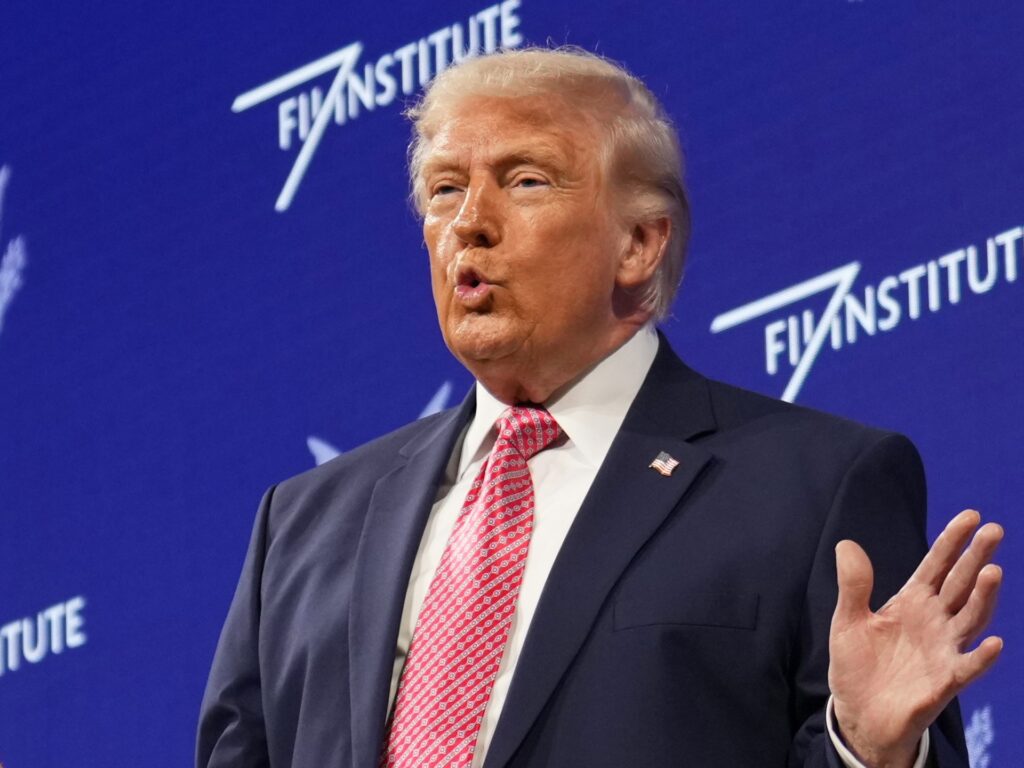
When a former President speaks of military targets, the world listens. And shudders. This week, Donald Trump dropped a chilling pronouncement, suggesting Cuba could be the ‘next target’ for the U.S. military. For Cuban-American families, for Havana residents, for anyone invested in regional stability, those words land with a heavy thud. They conjure images no one wants to revisit, signaling a profound shift in rhetoric, if not policy, that demands our immediate attention.
The statement, made during a rally, wasn’t ambiguous. “Cuba is next,” he declared, leaving little room for misinterpretation. It’s a stark reminder of his administration’s often confrontational approach to the island nation, which saw a tightening of sanctions and a rollback of Obama-era rapprochement efforts. Now, with the specter of a potential return to the White House, these words aren’t just campaign trail bluster; they’re a potential preview of a foreign policy agenda that could dramatically alter U.S.-Cuba relations. It’s a move that’s already sparking intense debate among foreign policy experts and, crucially, within communities directly affected by past and present tensions.
What Does “Next Target” Even Mean?
Former President Donald Trump, during a recent rally, declared Cuba could be the “next target” for the U.S. military. This provocative statement, aimed at his political base, previews a potentially aggressive foreign policy shift should he return to office, recalling his administration’s previous hardline stance against the island nation.
To understand the weight of such a statement, we can’t just take it at face value. Is it a calculated warning shot? A rhetorical flourish designed to energize a political base? Or a genuine signal of aggressive intent should he regain power? History teaches us that even off-the-cuff remarks from powerful figures can ripple across borders, influencing markets, diplomatic strategies, and the lives of millions. Targeting Cuba, a nation with a complex and often fraught relationship with the U.S., carries significant geopolitical baggage. It invites comparisons to past interventions and raises questions about international law and sovereignty. This isn’t simply about ‘fixing’ a problem; it’s about potentially tearing open old wounds, destabilizing a region already prone to complexities, and perhaps signaling a broader, more assertive, and potentially isolationist foreign policy vision. It’s a high-stakes gambit, regardless of its ultimate intent, and one that deserves rigorous scrutiny and public discussion before any rhetoric becomes reality.