play
The world held its collective breath. Yesterday, financial analysts, political commentators, and ordinary citizens braced for another flashpoint in the simmering tensions of the Middle East. Then, suddenly, a pivot. A decision from the Oval Office dramatically altered the immediate forecast, sending a wave of relief, and capital, across American markets.
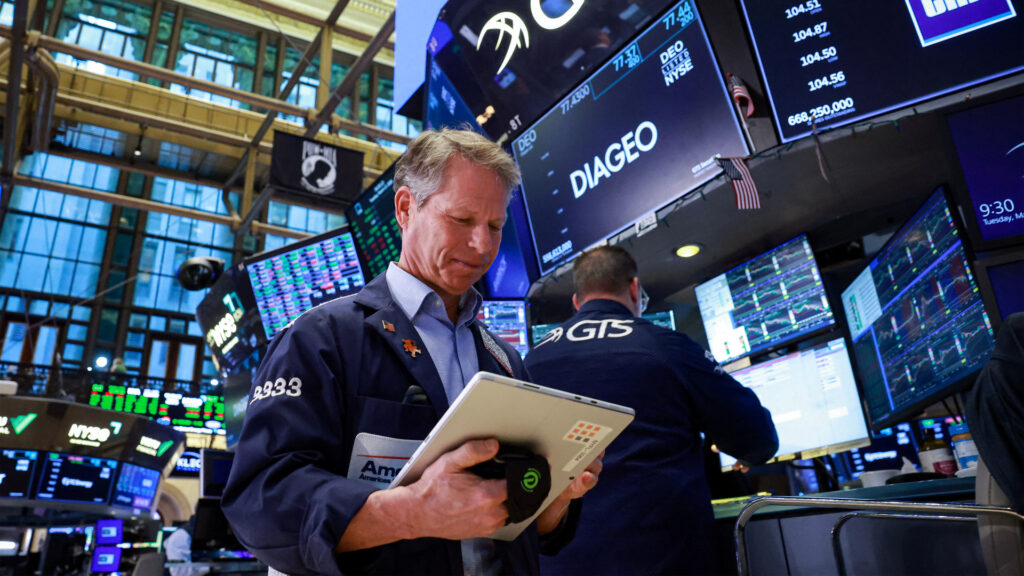
President Trump confirmed late yesterday evening that he’d called off planned military actions against Iran. Strikes were reportedly imminent, ready to be launched in response to Iran’s downing of a US surveillance drone. But at the eleventh hour, the President paused. He later cited concerns that such a response would be “disproportionate.” The news hit trading floors like a jolt of caffeine. US markets, which had been feeling the heat of geopolitical uncertainty, surged in after-hours trading. Investors, it seems, prefer peace to peril, even if it’s a tenuous one. It was a clear signal: less war means more confidence, at least for now.
Is this a lasting peace, or just a pause?
This isn’t merely about stock prices. It’s about the delicate dance of international relations, where a single decision can ripple through global oil supplies, diplomatic channels, and the lives of countless people. The administration’s unexpected turn highlights the immense pressure cooker that is modern foreign policy, where consequences are instant and often unpredictable. Some might argue this signals a strategic de-escalation; others see it as a volatile move, keeping adversaries guessing. One thing is certain: the global stage remains a chessboard, and this was a surprising, if welcome, move.
President Trump announced he was postponing military strikes on Iran, initially planned in response to a downed US drone. The decision, reportedly due to concerns about a disproportionate response, sent US markets surging, reflecting investor relief over averted military confrontation and reduced geopolitical uncertainty, at least for now.
The impact is immediate. Companies that thrive on stability see their valuations rise. Retirement funds breathe easier. But is this a genuine softening of stance, or merely a tactical delay? Washington’s foreign policy has been anything but predictable. This incident serves as a stark reminder of how quickly global events can pivot, and how deeply those pivots affect everything from boardroom decisions to dinner table conversations. We aren’t out of the woods yet. The underlying issues with Iran haven’t vanished. But for a brief moment, the threat of direct military conflict has receded, offering a glimmer of hope for a more diplomatic path forward. Or, at the very least, a moment to exhale.