
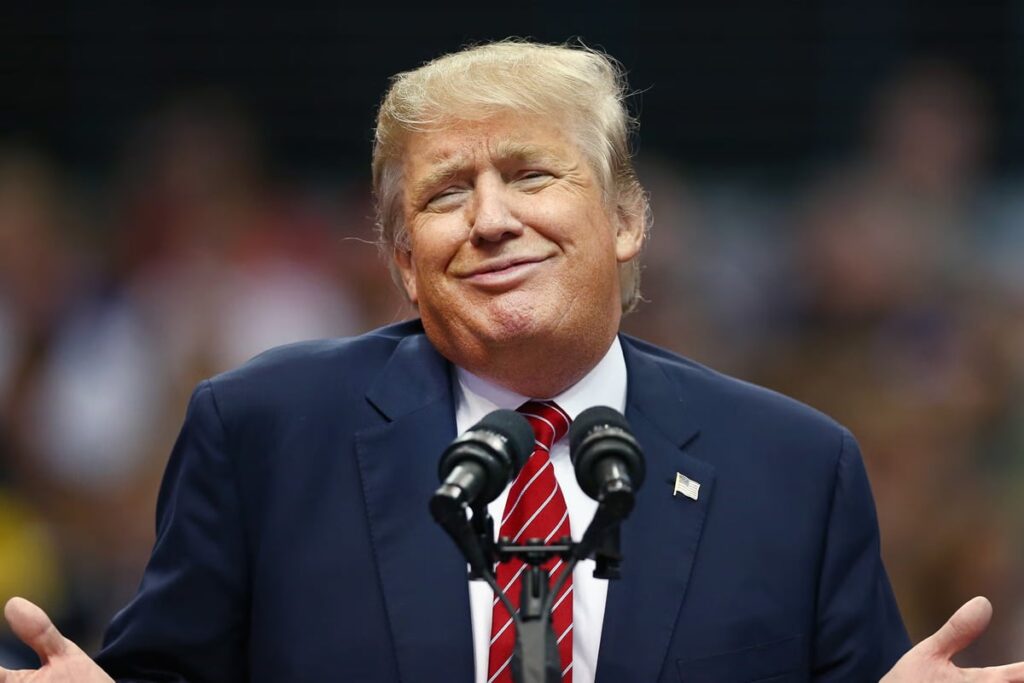
World benefits from America going to war against Iran, says Donald Trump
Amidst Iranian Devastation Trump Declares War A Global Benefit
In a dramatic turn of events, former United States President Donald Trump has made astonishing claims regarding the ongoing conflict in Iran, asserting that America’s aggressive actions have not only served the Middle East but benefited the entire world. This declaration arrives as the nation of Iran grapples with immense destruction and a mounting death toll following a joint US-Israeli offensive.
The conflict, now entering its ninth day since the combined American and Israeli assaults began, has plunged Iran into a state of profound crisis. Yet, in a recent interview, President Trump offered a strikingly different perspective. “The war America started against Iran serves not just the Middle East but the entire world. America has done the whole world a favor by initiating this conflict,” Trump stated, his words likely to ignite further international debate and scrutiny.
A Controversial Justification for Aggression
At the heart of President Trump’s defense lies the characterization of fallen Iranian leaders, including Supreme Leader Khamenei, as profoundly disturbed individuals. “They were people of sick minds. They were very sick,” Trump remarked, suggesting that their elimination was a necessary and righteous act. This narrative frames the military campaign as a form of global psychiatric intervention, a perspective that stands in stark contrast to the human cost and geopolitical turmoil witnessed on the ground.
The United States has long pressured Iran to sign a new nuclear agreement, imposing a rigid set of conditions. These demands included an immediate halt to Iran’s ballistic missile development, the cessation of all its nuclear programs, and the withdrawal of support for regional organizations such as Hezbollah and the Houthis. Tehran’s steadfast refusal to capitulate to these demands reportedly fueled the escalating American aggression, leading to the current devastating war.
Claims of Remarkable Military Success
President Trump further touted the perceived success of the American operation, detailing significant blows to Iran’s military infrastructure. He asserted that the assaults inflicted substantial damage on Iran’s naval, air force, and telecommunication systems. According to Trump, US attacks resulted in the destruction of 42 Iranian naval vessels. He also claimed that Iran was dangerously close to developing nuclear weapons, and that American forces successfully dismantled their nuclear facilities, effectively “breaking the backbone” of their atomic ambitions.
Adding to these claims, Israel reportedly confirmed its role in the offensive, stating it destroyed 16 Iranian air force planes in a series of targeted strikes on airbases. The combined impact of these operations has been dire for the Iranian populace, with reports indicating a tragic loss of at least 7,000 lives so far. These figures paint a grim picture of widespread devastation, transforming vast areas of the country into what some are calling a “valley of death.”
Understanding the Geopolitical Chessboard
For a 12th-grade student trying to grasp the complexities of this conflict, it’s essential to understand the underlying tensions. Imagine two chess players, the United States and Iran, each with their own strategic objectives in the Middle East. The U.S., under Trump, was deeply concerned about Iran’s potential nuclear capabilities and its influence in the region, which it saw as destabilizing. The old nuclear deal, known as the JCPOA, was seen by the Trump administration as too lenient. They wanted a much tougher deal, almost dictating terms to Iran.
Iran, on the other hand, viewed these demands as an infringement on its sovereignty and a direct threat to its national security. Its refusal to bow to American pressure set the stage for this catastrophic confrontation. The “war” described here is essentially a military response to diplomatic failure and long-standing mistrust. When Trump claims “serving the world,” he’s articulating a belief that removing what he perceives as a dangerous regime or threat benefits everyone, even if it comes at a terrible human cost. It’s a classic example of a powerful nation justifying its military actions based on perceived global security interests, often with significant debate about the actual effectiveness and morality of such claims. Omni 360 News strives to bring you these critical perspectives.
Key Takeaways
* Former President Trump controversially claims the war against Iran serves global interests, not just regional ones.
* He justified military actions by labeling deceased Iranian leaders as “sick-minded.”
* The US administration previously sought a new nuclear deal with strict conditions, including halting ballistic missile development and supporting specific groups.
* Official reports from the US and Israel cite significant damage to Iran’s military, including 42 naval vessels and 16 aircraft destroyed.
* Allegations include the destruction of Iran’s nuclear facilities, with a reported death toll of at least 7,000 Iranians.
In the face of such widespread suffering and loss, President Trump’s assertion that the world is “benefiting” from this conflict presents a stark and challenging narrative, one that Omni 360 News will continue to monitor closely for its profound human and geopolitical implications.