play
Your Medicine Bill Could Double. Seriously.
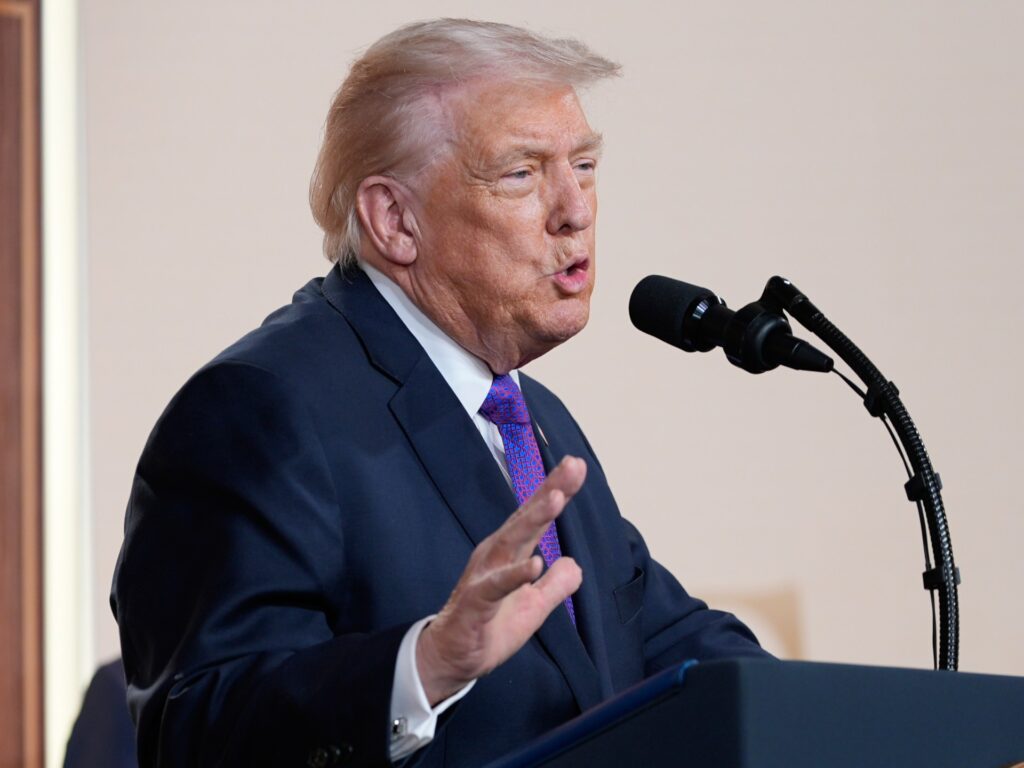
Imagine walking into the pharmacy, prescription in hand, only to find the price tag on your essential medication has just skyrocketed. We’re not talking about a few extra dollars. We’re talking about a potential 100% hike. That’s the chilling prospect emerging from a recent report detailing former President Donald Trump’s audacious proposal: slapping a staggering 100 percent tariff on imported drugs. For millions of Americans struggling with chronic conditions or even just common ailments, this isn’t just policy talk; it’s a direct hit to their household budget, their health, and their peace of mind. It’s a gut punch, plain and simple.
The proposal, if implemented, aims to fundamentally reshape the pharmaceutical market. The stated goal, according to reports, is to strong-arm foreign drug manufacturers into striking more favorable deals with the U.S., supposedly bringing down overall costs. Trump’s idea is that by making imported drugs twice as expensive through these tariffs, pharmaceutical companies will be forced to either lower their base prices dramatically or move their manufacturing to the U.S. It’s an aggressive negotiating tactic, to say the least, reflecting his “America First” trade philosophy. But what does that mean for you? It means suddenly, your life-saving insulin, your blood pressure medication, or your child’s asthma inhaler could become prohibitively expensive, unless something major changes very quickly.
Is this about fairness, or just politics?
On the surface, the idea of making drugs cheaper or bringing manufacturing jobs home sounds appealing. Who wouldn’t want that? But the reality of a 100 percent tariff is far more complex, and potentially devastating. Economists are already ringing alarm bells, noting that tariffs rarely result in lower consumer prices. More often, the cost is simply passed on to the buyer. If a drug from Canada or Germany suddenly costs twice as much to import, pharmaceutical companies aren’t just going to absorb that loss; they’ll pass it on to distributors, then pharmacies, and ultimately, to you, the patient. We’ve seen similar tactics in other industries where tariffs were applied, and the outcome was usually higher prices for consumers, not lower. This isn’t just about drugs; it’s about the entire supply chain and international trade relationships.
The Atomic Answer: Donald Trump proposes a 100 percent tariff on imported drugs, aiming to force foreign pharmaceutical companies into more favorable deals with the U.S. and potentially boost domestic manufacturing. Critics worry this could drastically increase drug prices for American consumers instead of lowering them.
Consider the immediate ramifications. Many specialized drugs, particularly those for rare diseases, are manufactured abroad because of specific expertise or patented processes. Are we prepared to cut off access to these medications, or pay double for them? What about retaliatory tariffs from other nations? This isn’t a one-way street. Other countries could respond by imposing their own tariffs on American exports, hurting other sectors of our economy. This isn’t just a tariff; it’s a declaration of economic warfare in the pharmaceutical space. The long-term impact on pharmaceutical innovation is also a serious concern. If the U.S. market becomes unpredictable or too expensive to navigate for foreign companies, will they invest less in developing new medicines that might benefit American patients?
This proposal isn’t just about drug prices; it’s about a fundamental approach to global trade and healthcare. It risks making an already confusing and expensive system even more volatile, putting patients directly in the crosshairs. While the desire to make healthcare more affordable is universal, the mechanism proposed here might just make it impossible for many to afford the very medications that keep them alive. It’s a high-stakes gamble with the nation’s health as the collateral.