play
**Trump’s Dire Warning: Obliterate Iran Power Plants for Hormuz**
The whispers of war just got louder. When former President Donald Trump speaks of ‘obliterating’ power plants, it’s not just rhetoric; it’s a stark reminder of the fragile peace holding global commerce together. Such declarations don’t just make headlines; they send shivers down the spines of anyone who understands the delicate balance of international relations, particularly in a volatile region like the Middle East. It’s the kind of talk that can make investors nervous and ordinary citizens worried about what tomorrow might bring.
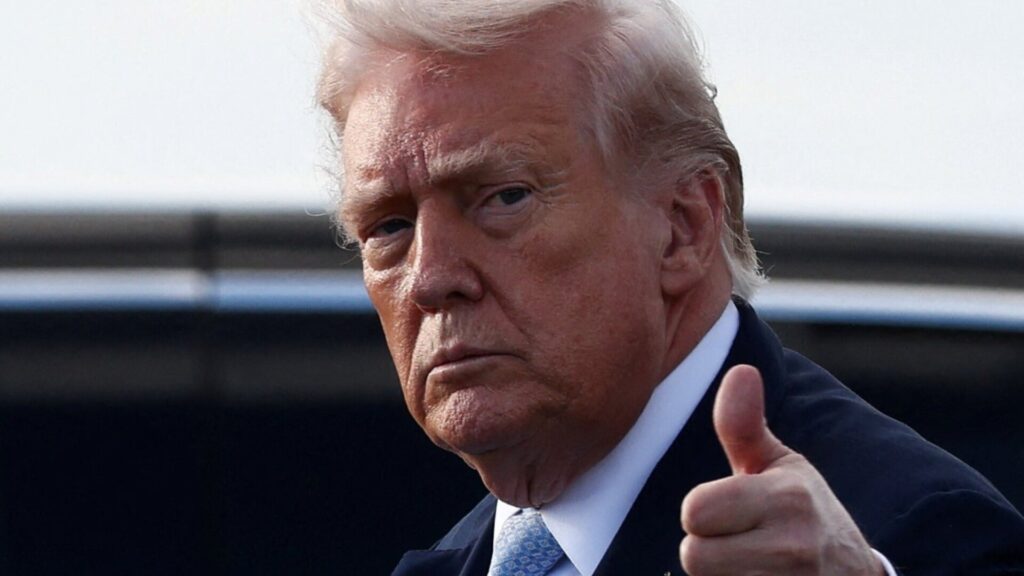
Former President Donald Trump recently issued a chilling ultimatum to Iran. He’s vowed to ‘obliterate’ the nation’s power plants if they dare to close the Strait of Hormuz. This isn’t just a casual remark; it’s a direct challenge to Tehran’s influence over one of the world’s most critical shipping lanes, a narrow passage that dictates much of global energy flow. For years, this strategic waterway has been a flashpoint, a testament to the high stakes involved in regional power plays. Now, those stakes just got significantly higher, injecting a fresh dose of uncertainty into an already tense situation. It’s a bold statement that cuts through diplomatic niceties, leaving little room for misinterpretation.
What’s Actually Happening in the Strait of Hormuz?
The Strait isn’t merely a waterway; it’s a choke point, an economic jugular for much of the world. Roughly a fifth of the world’s total oil consumption, along with a significant portion of its liquefied natural gas, passes through it daily. Imagine the ripple effects if that flow is interrupted – soaring energy prices, crippled industries, and widespread economic instability. For decades, Iran has hinted at its ability to disrupt this flow, often as a pressure tactic against sanctions or perceived aggressions. These aren’t idle threats from Tehran either; they’ve demonstrated the capacity to interfere with shipping, particularly through naval exercises and the harassment of tankers. Trump’s recent comments, however, elevate these historical tensions to a dangerously explicit level. It suggests a zero-tolerance policy, pushing the boundaries of diplomatic engagement and raising uncomfortable questions about potential escalation. We’re talking about a move that could send global energy markets into a tailspin, affecting everything from your gas tank to the price of consumer goods, and potentially drawing other global powers into a wider conflict.
Former President Donald Trump publicly warned Iran he’d ‘obliterate’ its power plants. This dire threat comes with a clear condition: should Iran attempt to close the vital Strait of Hormuz, a crucial global shipping route. It’s a high-stakes geopolitical gambit, designed to assert dominance and protect international oil flow.
Such pronouncements remind us that international stability often hangs by a thread. While the immediate impact of these words is rhetorical, their underlying message about red lines and potential actions resonates far beyond the political arena. It’s a stark reminder that even in a digital age, the specter of conventional conflict remains a very real concern for nations and global citizens alike. Let’s hope cooler heads prevail.