Two more India-flagged LPG tankers safely transit Strait of Hormuz amid West Asia conflict| India News
Indian LPG Tankers Navigate Strait of Hormuz Amidst Regional Tensions
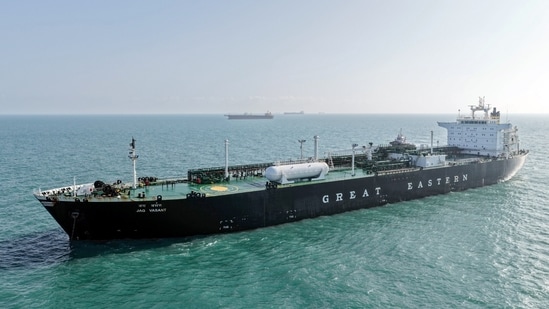
In a testament to the continued resilience of global maritime trade and the diligent efforts safeguarding it, two Indian-flagged LPG tankers, BW TYR and BW ELM, have successfully traversed the volatile Strait of Hormuz. Their safe passage brings a measure of relief and underscores the critical importance of secure shipping lanes amidst ongoing geopolitical complexities in West Asia. BW TYR is now making steady progress towards Mumbai, with an anticipated arrival on March 31, while BW ELM charts its course to New Mangalore, expected to reach its destination by April 1.
For anyone tracking global energy movements, these specific vessel transits, reported by sources monitoring maritime activity and confirmed through vessel tracking data, hold significant weight. The Strait of Hormuz is not just another waterway; it is a chokepoint, a narrow passage between the Persian Gulf and the Gulf of Oman, through which an immense portion of the world’s oil and liquefied natural gas (LNG) supplies flow daily. Its strategic importance cannot be overstated, making any incident or even heightened tension in the area a matter of international concern.
To understand why these safe transits are noteworthy, consider the recent landscape. The broader West Asia region has seen an escalation of various conflicts and security challenges, particularly affecting shipping routes. Attacks on commercial vessels in the Red Sea and Gulf of Aden, though geographically distinct from Hormuz, create a ripple effect of anxiety across all regional maritime operations. Shipowners, insurers, and nations become extra cautious, meticulously planning routes and often seeking enhanced protection. This backdrop makes the smooth navigation of vessels like BW TYR and BW ELM a clear signal of continued, albeit challenging, operational capability.
The BW TYR, a gas tanker, and BW ELM, also an LPG tanker, are vital cogs in India’s energy supply chain. India, a rapidly developing nation, is heavily reliant on imported energy, particularly LPG, to meet the demands of its growing economy and population. LPG is used extensively for cooking, industrial processes, and as an automotive fuel. The uninterrupted flow of such essential commodities is crucial for maintaining economic stability and ensuring energy security for millions. Any disruption to these supplies can lead to price spikes, shortages, and broader economic instability. Therefore, the successful transit of these tankers, carrying valuable cargo destined for Indian shores, directly impacts household kitchens and industrial factories across the country.
Ensuring such safe passages is not a matter of luck. It involves a concerted effort. The Indian Navy has proactively stepped up its maritime security operations in the wider region, deploying assets to protect its commercial interests. This enhanced naval presence acts as a deterrent and provides a reassuring escort or surveillance capability for Indian-flagged vessels. These are not isolated patrols but part of a larger, coordinated strategy to safeguard freedom of navigation and protect vital trade routes for India’s economy. The ongoing commitment to maritime security by India and other naval powers in the region is what allows vessels like BW TYR and BW ELM to proceed with their missions.
For a 12th-grade student trying to grasp the significance, imagine the Strait of Hormuz as the main highway for fuel to many countries, including India. If that highway becomes dangerous, everything slows down, prices go up, and people worry. When ships like BW TYR and BW ELM pass through safely, it means that despite all the problems around, the “highway” is still open and protected. It shows that countries are working hard to keep essential goods moving, even in tricky situations. This directly affects everything from the gas cylinder in your home to the fuel in your parent’s car.
As we at Omni 360 News continually monitor global events, the successful transits of BW TYR and BW ELM serve as important data points. They illustrate the ongoing challenges to global supply chains but also highlight the robust measures being taken to mitigate risks. While the broader regional tensions persist, the ability of these tankers to complete their journeys underscores the intricate balance between geopolitical realities and the imperative of global trade. These events remind us that the unseen journeys of countless vessels ensure the smooth functioning of economies worldwide.
Key Takeaways
* Safe Passage Confirmed: Indian LPG tankers BW TYR and BW ELM successfully transited the Strait of Hormuz amidst West Asia conflict.
* Vital Destinations: BW TYR is heading to Mumbai (March 31 arrival), and BW ELM to New Mangalore (April 1 arrival), securing critical energy supplies for India.
* Strategic Chokepoint: The Strait of Hormuz remains a crucial global artery for energy trade, making its security paramount.
* Indian Naval Protection: India’s proactive maritime security operations play a key role in safeguarding its commercial vessels in the region.
* Economic Stability: Uninterrupted flow of LPG is vital for India’s energy security and economic stability.