Two more Indian-flagged LPG ships exit the Gulf, tracking data shows| India News
Indian Ships Navigate Crucial Hormuz Waters Amidst Regional Scrutiny
The vital Strait of Hormuz, a narrow waterway connecting the Persian Gulf to the open ocean, remains a focal point for global maritime trade and energy security. Recent tracking data has highlighted the movements of Indian-flagged Liquefied Petroleum Gas (LPG) carriers through these sensitive waters, with two vessels successfully exiting the Gulf, while another, the Jag Vikram, is presently positioned in the western sector of the strait. This ongoing vigilance underscores the complexities of international shipping in a region frequently marked by geopolitical tensions. Omni 360 News is closely monitoring these developments, providing context to a situation that affects global energy flows.
Understanding the Strait of Hormuz’s Importance
For a clearer picture, imagine the Strait of Hormuz as the neck of a very large bottle. This bottle is the Persian Gulf, a region rich in oil and gas. Most of the world’s seaborne oil, and a significant amount of its liquefied natural gas, passes through this narrow passage. It is one of the most strategically important choke points on Earth. If this strait were to be disrupted, even for a short time, it would have profound impacts on global energy prices and international economies, affecting everyone from large industries to the cost of filling a car’s fuel tank.
India, a rapidly developing nation with a massive energy appetite, relies heavily on crude oil and natural gas imports that traverse these waters. The safety and unimpeded passage of its merchant fleet, particularly tankers carrying crucial energy resources like LPG, are paramount to its economic stability and energy security. Reports from various maritime tracking services, often cited by regional news outlets like Gulf News and maritime industry journals, consistently show thousands of vessels, including a significant number of Indian ships, navigating this route annually.
The Current Vessel Movements
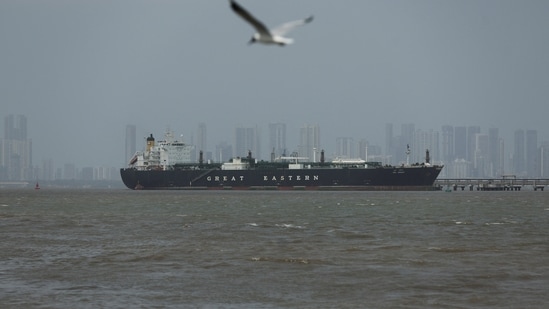
Recent tracking information, cross-referenced across various maritime intelligence platforms and regional reports, confirms that two Indian-flagged LPG carriers have successfully navigated through the Strait of Hormuz and exited the Persian Gulf. These vessels, like many others, followed established shipping lanes, a routine yet high-stakes journey. Their successful transit is a testament to the ongoing, albeit tense, operational flow of global trade in the region.
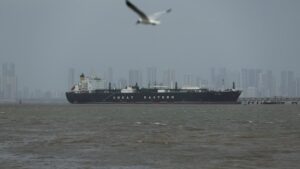
However, attention remains focused on the Jag Vikram. This third Indian-flagged vessel, an LPG carrier, is still situated in the western part of the Strait of Hormuz. While its current position does not indicate immediate distress or an unusual deviation, its presence in this critical area means it remains under constant observation by international maritime agencies and the Indian Navy, which often maintains a presence in the Gulf of Aden and surrounding waters for anti-piracy and escort missions, as reported by Indian defence media. The Great Eastern Shipping Co., an Indian firm that owns the Jag Vikram, like other shipping companies, would be meticulously tracking its vessel’s journey and crew safety.
Why Constant Scrutiny Matters
The waters around the Strait of Hormuz have seen their share of incidents over the years, ranging from seizures of vessels to attacks on tankers. These events, often linked to regional geopolitical rivalries, elevate the risk for commercial shipping. For instance, tensions between Iran and other powers frequently lead to heightened security alerts. Therefore, the simple act of a ship passing through this strait is never truly “simple.” It involves careful planning, adherence to international maritime law, and often, indirect or direct security assurances from naval forces.
The Indian government, through its Ministry of External Affairs and Navy, consistently emphasizes the importance of safeguarding Indian commercial interests and the welfare of its seafarers in these volatile zones. News outlets like The Economic Times and Livemint often report on India’s diplomatic efforts and naval deployments aimed at ensuring safe passage for its vessels. The monitoring of specific ships like the Jag Vikram is part of this broader national security interest, reflecting a commitment to protecting its global supply lines and the lives of Indian crew members.
The Broader Context for Global Energy
The movements of these LPG carriers are more than just isolated shipping events. They are indicators of the health of global energy supply chains. LPG, used for everything from domestic cooking to industrial processes, is a vital commodity. Any disruption in its supply, even a perceived threat, can send ripples through global markets. Local businesses and consumers worldwide, including those in India, eventually feel the impact through fluctuating prices.
International maritime organizations and navies from various countries collaborate to ensure the freedom of navigation in international waters. While individual nations focus on their own flagged vessels, the collective effort aims to deter hostile actions and maintain stability in crucial maritime corridors. For Omni 360 News, covering these events involves looking beyond the immediate headlines to understand the underlying currents of geopolitics and economics that shape our world.
Key Takeaways for Maritime Navigation
* The Strait of Hormuz remains a critical global energy choke point.
* Indian-flagged vessels regularly traverse these sensitive waters, vital for India’s energy security.
* The movements of specific ships like the Jag Vikram are closely monitored due to regional tensions.
* Ensuring safe passage for commercial shipping is a priority for international navies and maritime authorities.
* Disruptions in this strait can significantly impact global energy prices and supply chains.
The safe passage of vessels like the Jag Vikram is not merely a logistical success; it is a continuous affirmation of the principles of free navigation and international trade, crucial for the stability and prosperity of nations like India and the global economy at large.