Weekend events you can’t miss in Chennai (March 27-29)| India News
Baithak Unveiled The Heartbeat of Indian Classical Music
For decades, the Indian subcontinent has nurtured a rich tapestry of performing arts, passed down through generations. Amidst grand auditoriums and sprawling festival stages, a quieter, more profound tradition thrives: the Baithak. This traditional concert series stands as a testament to the enduring power of intimate spaces, fostering a unique connection between the artist, their instrument, and the rapt audience. At Omni 360 News, we delve into the subtle magic that makes a Baithak an irreplaceable cultural experience.
Imagine a setting far removed from the dazzling lights and expansive seating of a modern concert hall. A Baithak, meaning “a sitting” or “gathering” in Hindi, strips away the formality, inviting attendees into a more personal, almost familial atmosphere. Historically, these performances took place in the homes of patrons, in temple courtyards, or modest community halls, allowing listeners to sit close to the performers, often on the floor, sharing tea and conversation. This proximity is not merely about physical closeness; it’s about dissolving the invisible wall that often separates the stage from the audience, allowing for a profound shared experience.
The Intimate Connection
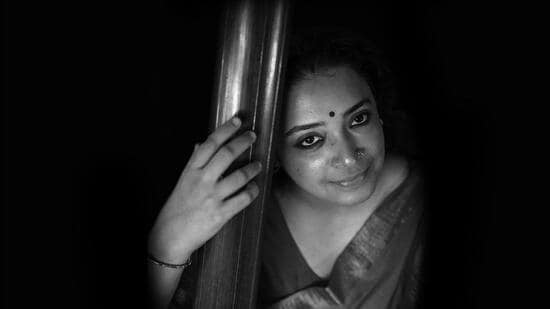
What truly defines a Baithak is this remarkable intimacy. Unlike large-scale productions where an artist might be a distant figure on a stage, a Baithak allows for direct eye contact, subtle nods, and even spontaneous dialogue between the artist and listeners. The nuances of a tabla stroke, the delicate glide of a sitar’s melody, or the intricate breath control of a vocalist are not just heard; they are felt, observed up close. One can see the sweat on a performer’s brow, the concentration etched on their face, and the sheer joy radiating from their very being as they navigate complex ragas or intricate taal cycles.
This close-up view profoundly deepens appreciation, particularly for those new to classical Indian music. A high school student, for instance, might find the technicalities daunting in a grand setting. But in a Baithak, watching a musician meticulously tune their instrument, or witnessing the spontaneous improvisation that is a hallmark of classical performance, transforms the abstract into something tangible and awe-inspiring. The artist might even explain a particularly challenging section or share an anecdote about the raga’s origin, making the learning experience interactive and engaging. This direct engagement fosters a sense of being part of the creative process itself, rather than just a passive observer.
A Sanctuary for Pure Artistry
Baithaks are often celebrated for their focus on pure, unamplified or minimally amplified sound. The natural acoustics of a smaller room become an integral part of the performance. Every tremor of a string, every resonance of a drum skin, and every subtle modulation of a voice is rendered with astonishing clarity. This stripped-down approach forces both artist and audience to connect with the raw essence of the music. It’s a space where technical brilliance meets emotional depth, unfiltered by excessive technology.
This format particularly suits traditional classical music forms, whether it’s the melodic improvisations of Hindustani classical music or the structured compositions of Carnatic music. Instruments like the sitar, sarod, violin, tabla, harmonium, and various vocal styles find their most authentic expression in this setting. Local cultural societies and dedicated music circles, often highlighted in local news bulletins from cities like Chennai, Kolkata, or Pune, frequently organize Baithaks, bringing renowned artists and promising young talents to local communities. These smaller organizations, rather than national behemoths, are the lifeblood of the Baithak tradition, ensuring its continuity and accessibility.
Fostering Community and Learning
Beyond the performance itself, a Baithak fosters a unique sense of community. Attendees often comprise dedicated connoisseurs, aspiring musicians, and curious newcomers, all united by a shared appreciation for the art form. The informal setting encourages discussions before, during, and after the performance. Audiences might ask questions about the artist’s technique, the history of a particular raga, or the significance of a specific composition. This exchange enriches the overall experience, turning a concert into a mini-workshop or a cultural dialogue. It’s an environment where learning happens organically, driven by curiosity and shared passion. Many local arts groups, through newsletters and community boards, champion these events as vital cultural touchpoints.
These gatherings play a crucial role in mentorship. Young students of music often attend Baithaks to observe masters up close, learning not just from the notes but from the performer’s body language, their command over the instrument, and their emotional connection to the music. It’s an invaluable part of their artistic journey, providing insights that formal lessons might not capture. For Omni 360 News, understanding these grassroots efforts is key to reporting on the full spectrum of cultural preservation.
The Enduring Legacy of Baithak
In an age dominated by digital distractions and large-scale entertainment, the Baithak stands as a quiet rebellion, championing human connection and artistic purity. It’s a space where time seems to slow down, allowing the audience to truly immerse themselves in the moment, to feel the emotional resonance of each note, and to appreciate the profound dedication of the artists. By supporting and attending these traditional concerts, communities actively participate in preserving a vital part of their cultural heritage, ensuring that the intricate beauty of classical Indian music continues to inspire future generations. From small residential clubs to dedicated arts foundations, local efforts keep this lamp burning bright.
Key Takeaways
* Baithaks offer an intimate concert experience, emphasizing direct connection between artists, instruments, and the audience.
* They strip away formality, allowing for a deeper appreciation of classical Indian music in its purest form.
* These gatherings foster community, learning, and cultural dialogue, particularly benefiting students and enthusiasts.
* Baithaks play a crucial role in preserving traditional art forms and ensuring their continuity through grassroots support and local initiatives.
* The raw, often unamplified, sound in Baithaks highlights the natural beauty and technical mastery of classical Indian music.